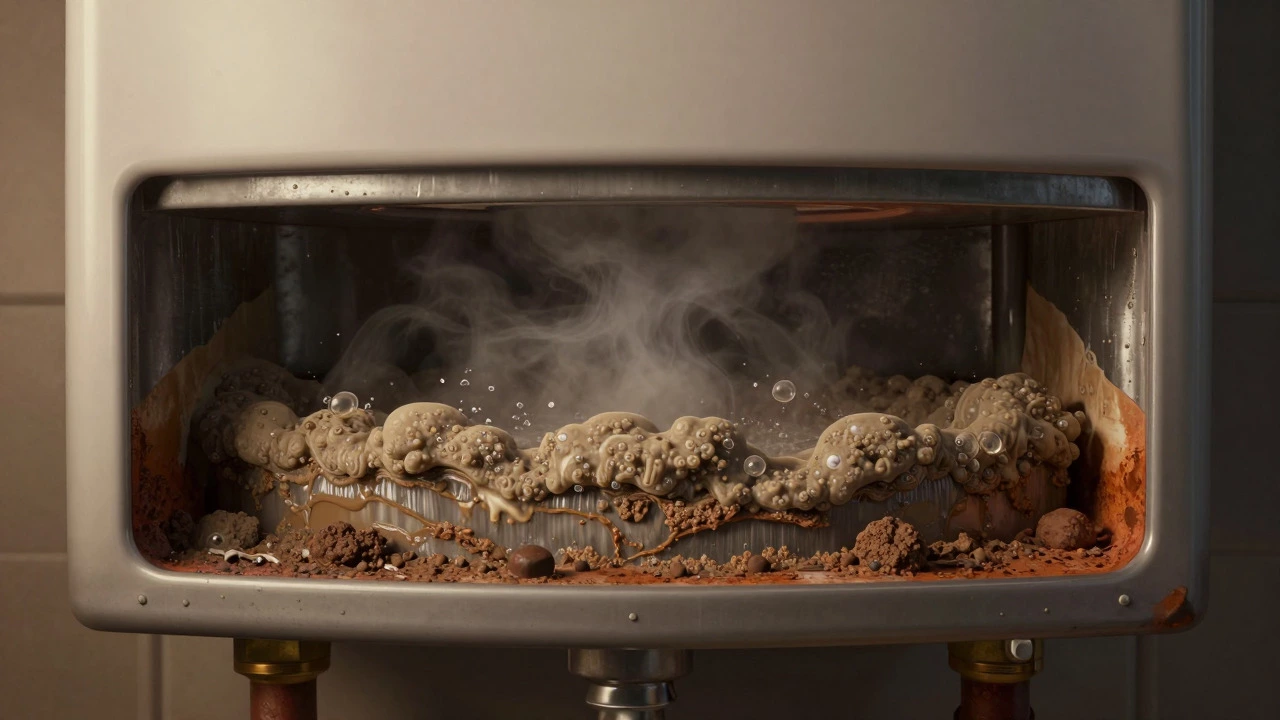
Discover where water heaters fail most often, including sediment buildup, anode rod depletion, and thermostat issues. Learn how to diagnose problems and decide between repair and replacement.
Water Heater Repair: Quick Fixes and When to Call a Pro
If your shower feels like ice water, you know a broken water heater can ruin a day. The good news? Many problems have easy fixes you can try at home. Knowing what to check first saves time, money, and the hassle of waiting for a technician.
Why Your Water Heater Might Stop Working
Most water heater failures boil down to three culprits: power issues, thermostat problems, and leaks. A tripped breaker or a blown fuse can cut power to electric heaters in seconds. Gas heaters rely on a pilot light or igniter; if that goes out, no hot water either. Thermostats control temperature, and a faulty one can make the heater think it’s already hot, so it never turns on.
Leaks are another silent threat. A small drip around the tank can lower water pressure and cause the heater to shut off as a safety measure. Look for puddles on the floor or damp spots on the walls near the unit. If you spot a leak, it’s usually a sign that the tank’s inner lining has failed and the whole heater may need replacement.
DIY Checks Before Calling a Technician
Before you pick up the phone, run through these quick steps. First, reset the breaker or replace a blown fuse for electric models. For gas units, make sure the gas valve is open and try relighting the pilot according to the manufacturer’s instructions. If the heater has a reset button, press it – many models have a safety reset that trips during a short‑circuit.
Next, check the thermostat. Most heaters have a dial set between 120°F and 140°F. If it’s set too low, you’ll get lukewarm water. Turn it up a few degrees and wait 30 minutes to see if the water gets hotter.
Finally, inspect the venting (for gas heaters) and the drainage pipe. A clogged vent can cause the burner to shut down, while a blocked drain may cause pressure buildup. Clear any debris you see, but don’t force anything that looks stuck – you could damage the system.
If these checks don’t bring back hot water, it’s time to call a professional. A qualified technician can test the heating element, replace a faulty thermostat, or diagnose internal tank corrosion. Trying to open the tank yourself is risky; the water inside can be scalding and the tank is under pressure.
Regular maintenance can keep these problems at bay. Flush the tank once a year to remove sediment that builds up at the bottom and reduces heating efficiency. Test the pressure‑relief valve by lifting its lever – water should flow out and stop when released. Replace the anode rod every few years; it protects the tank from rust.
When you search for a repair service, look for a company that offers same‑day service, transparent pricing, and a warranty on parts. In Mumbai, many local technicians also handle other appliances, so you can bundle repairs for a better rate.
Remember, a functional water heater is about safety as much as comfort. If you notice strange noises, foul smells, or water that’s either too hot or not hot enough, don’t ignore it. Early detection prevents bigger, costlier repairs down the road.
Bottom line: start with the simple power and thermostat checks, keep the tank clean, and call a trusted repair service when the issue persists. With the right steps, you’ll be back to warm showers in no time.
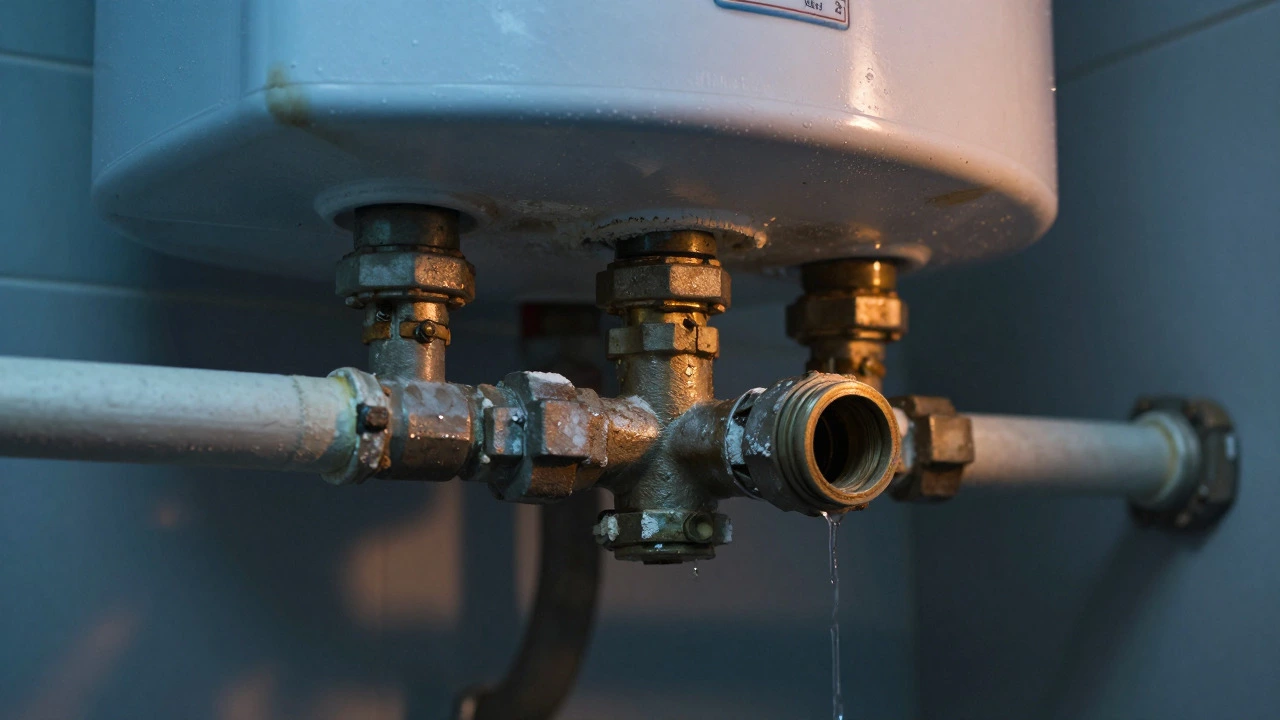
Discover where water heaters typically leak, from top pipe connections to internal tank corrosion. Learn how to identify the source, perform quick fixes, and know when to call a pro.
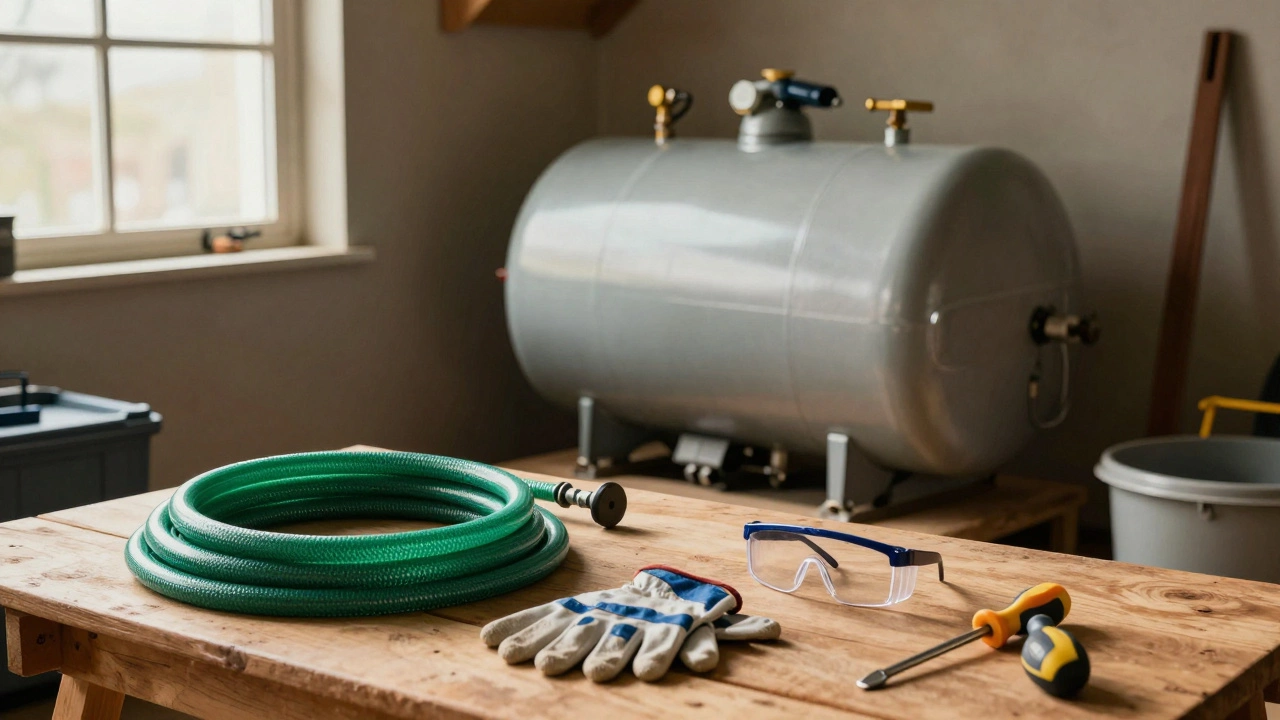
Learn how to safely flush your water heater yourself to remove sediment, improve efficiency, and extend its lifespan. Includes step-by-step instructions, safety tips, and when to call a pro.
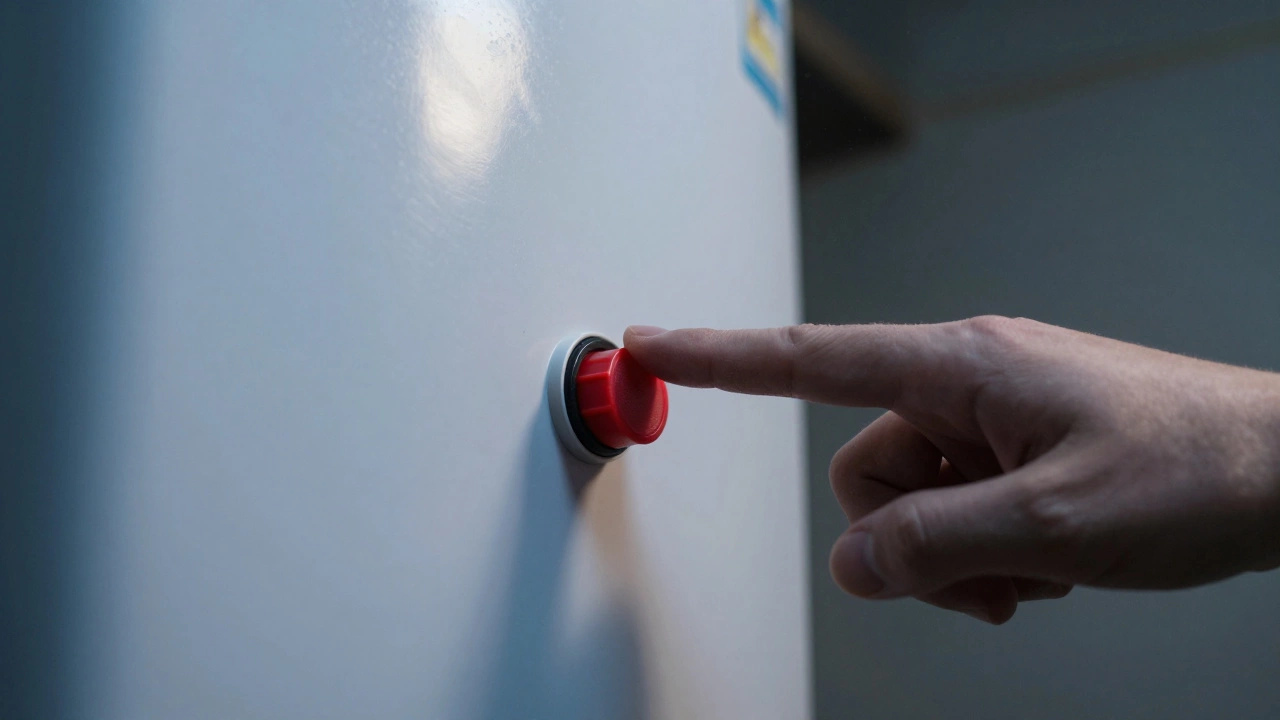
Discover why your water heater keeps needing resets. Learn about faulty thermostats, sediment buildup, and failing elements. Get practical tips to fix hot water issues safely.
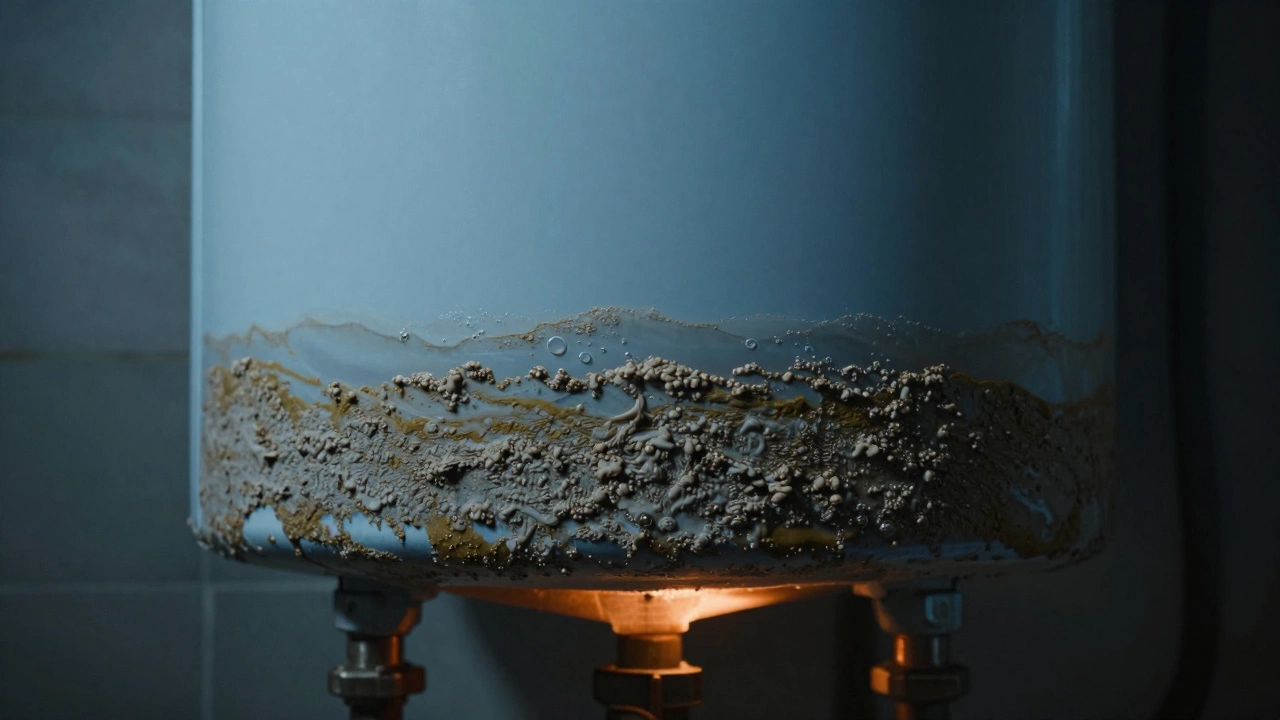
Learn exactly how often to flush your water heater to prevent sediment buildup, save on energy bills, and extend the life of your unit. Includes a step-by-step DIY guide.
Lost your hot water? This guide walks you through quick checks for thermostats, pilot lights, and breakers to restore warmth fast. Learn when to DIY and when to call a pro.
Discover why your water heater is producing only cold water. From tripped breakers and broken dip tubes to sediment buildup and thermostat failures, learn how to diagnose and fix common issues safely.
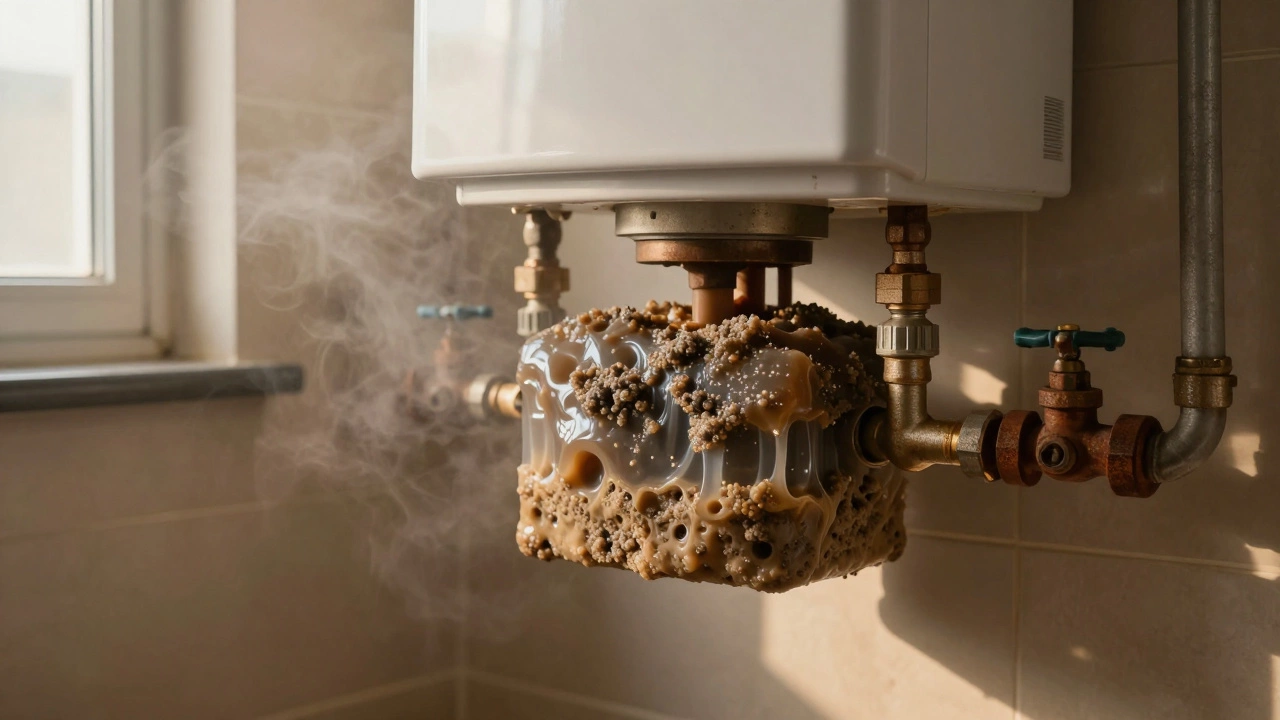
Never flushing your water heater leads to sediment buildup, higher bills, noisy operation, and early failure. Learn how to flush it yourself and avoid costly repairs.
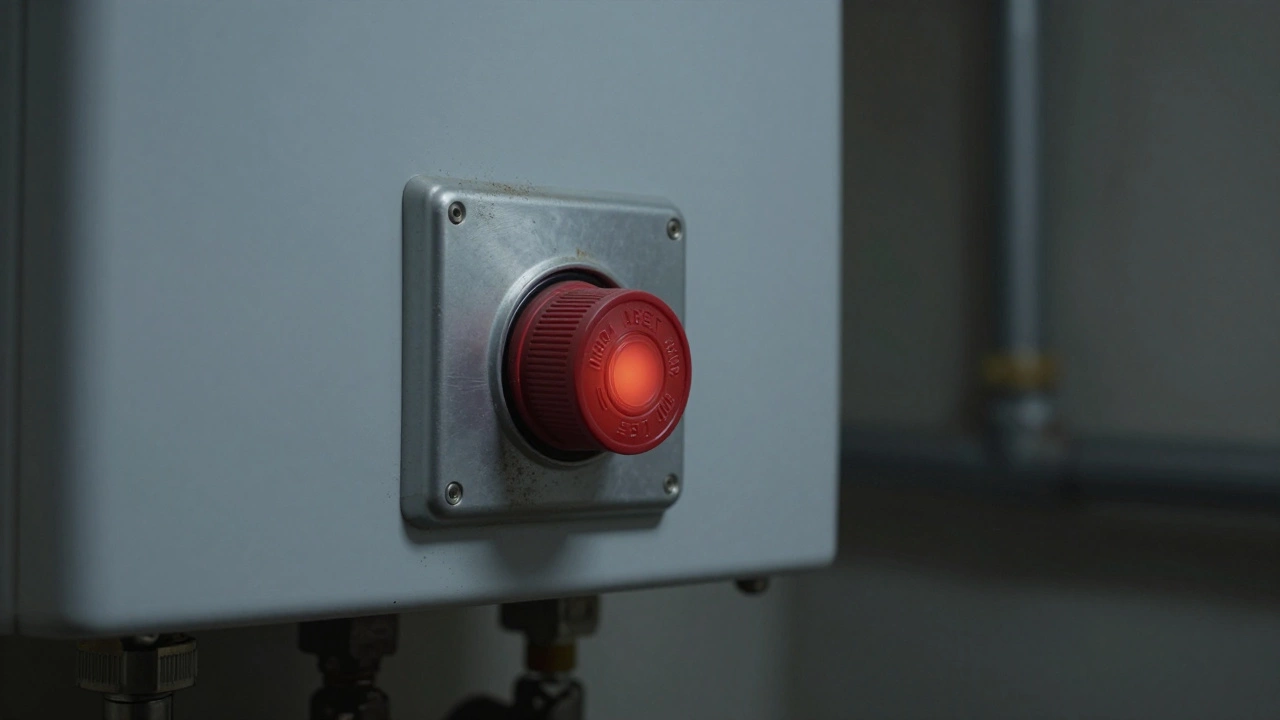
Pressing the reset button on your water heater once is safe-but doing it repeatedly is dangerous. Learn why it trips, what to do instead, and how to prevent costly damage.
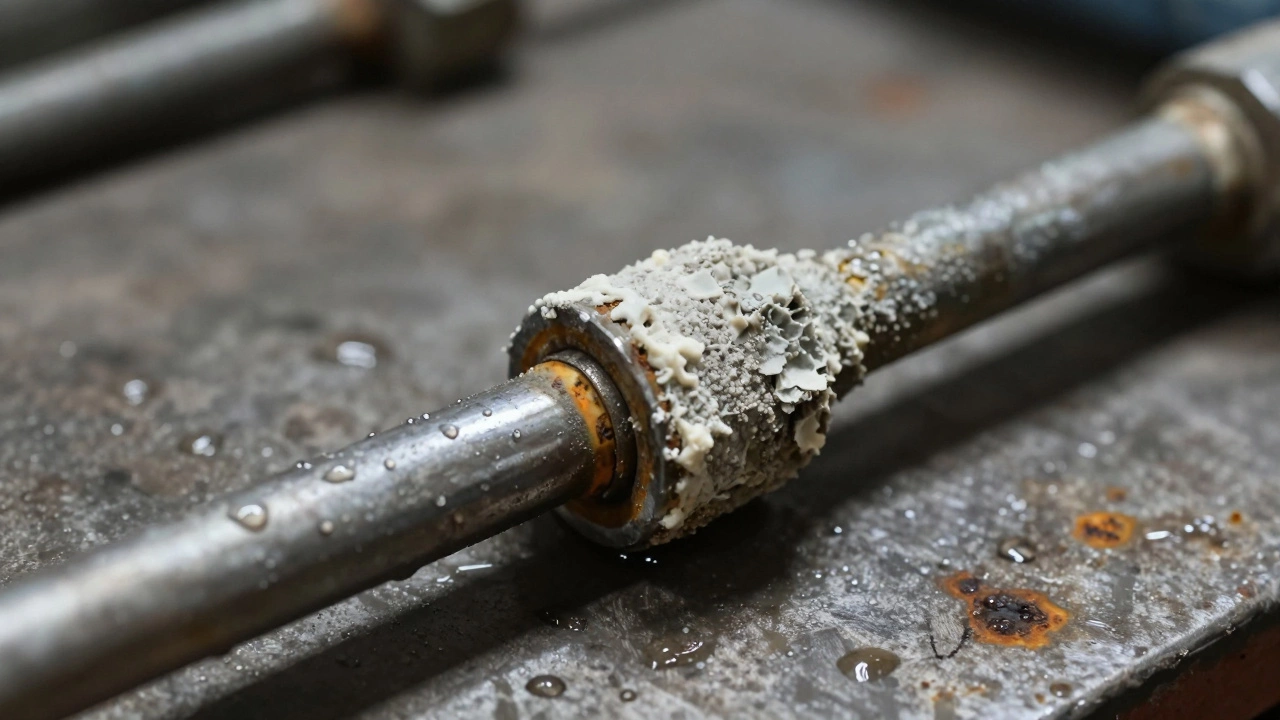
Learn the 5 clear signs your water heater's anode rod is bad-from smelly water to rust and leaks-and how to check or replace it yourself to avoid costly tank failure.
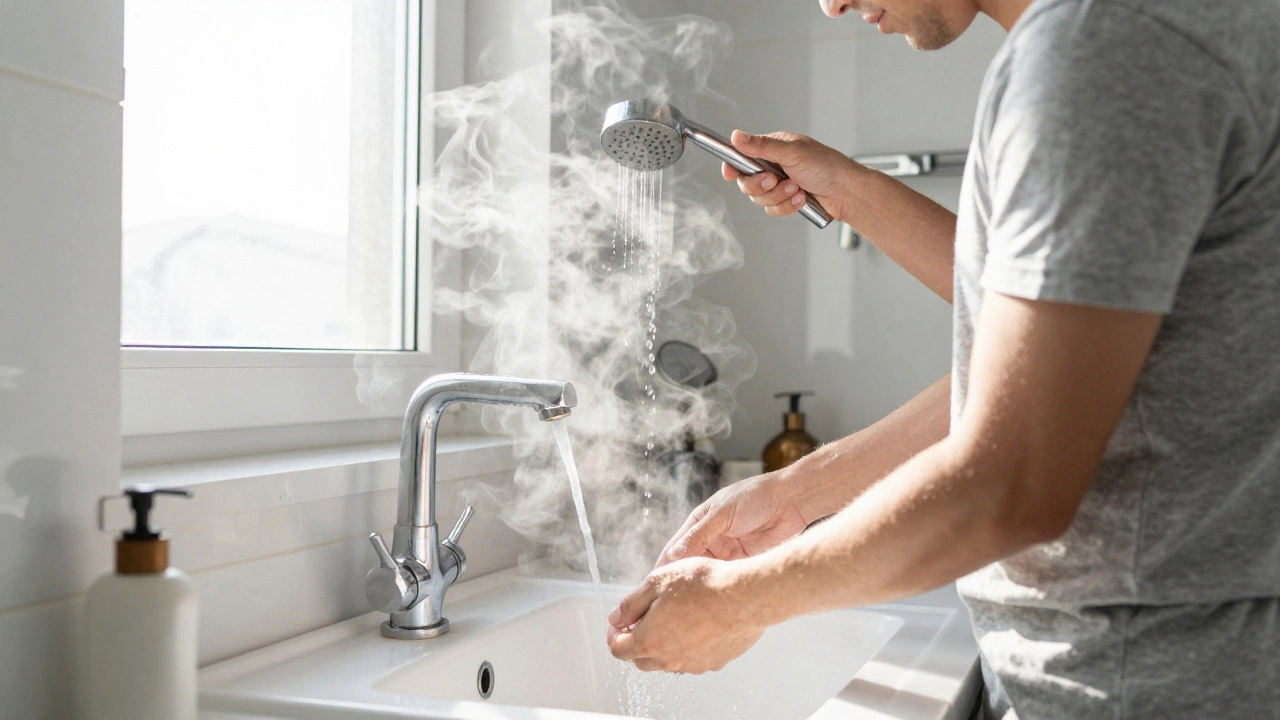
No hot water in the shower? This step-by-step guide shows you how to fix common water heater problems yourself-from resetting breakers to flushing sediment-before calling a plumber.
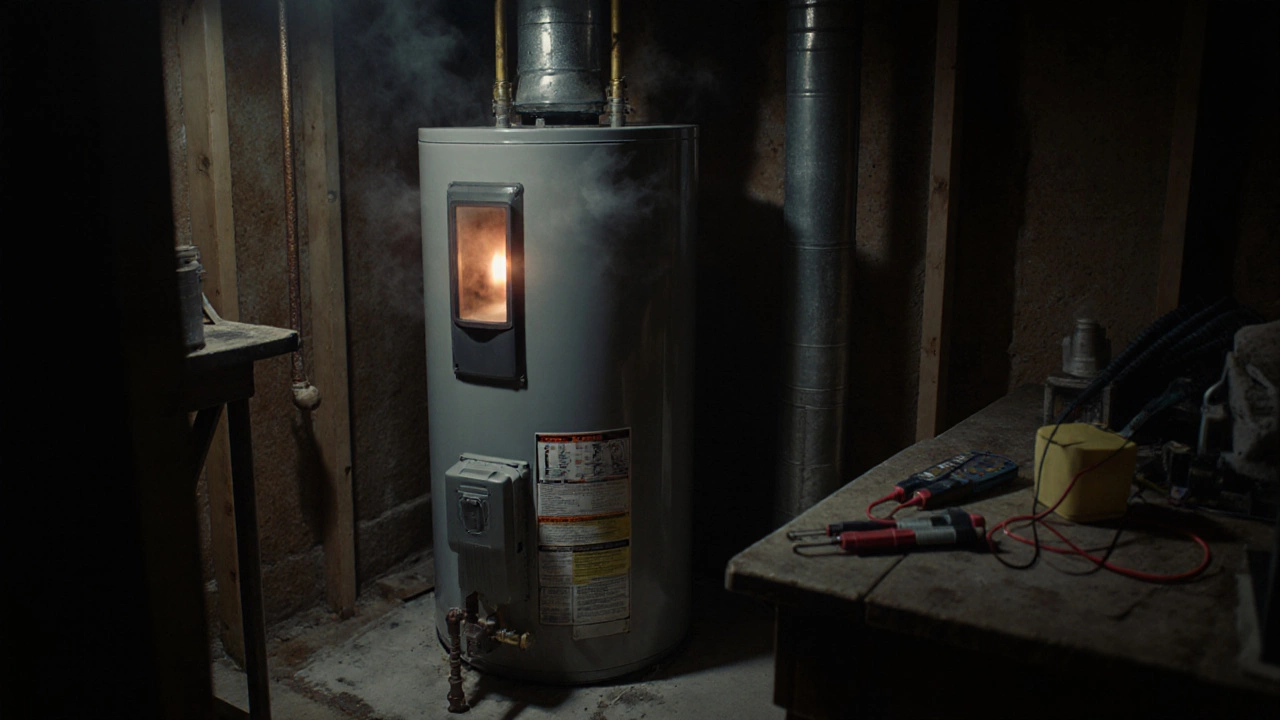
The most common cause of no hot water is a pilot light that went out, especially in gas water heaters. Other frequent issues include a faulty thermocouple, sediment buildup, or a tripped thermostat. Learn how to diagnose and fix it yourself before calling a pro.