Water Heater Size Calculator
Find Your Ideal Water Heater Size
This calculator helps you determine the right water heater size based on your household's needs. The correct size ensures you have enough hot water without wasting energy.
Enter your household details to see recommended water heater size.
If your shower suddenly has no hot water, it’s not just annoying-it’s a daily disruption. You’re not alone. Millions of homes face this issue every year, and in most cases, it’s not a full water heater replacement. The fix is often simple, cheap, and something you can do yourself in under an hour. This guide walks you through the most common causes and how to fix them, one by one, starting with the easiest checks.
Check if the problem is just the shower or the whole house
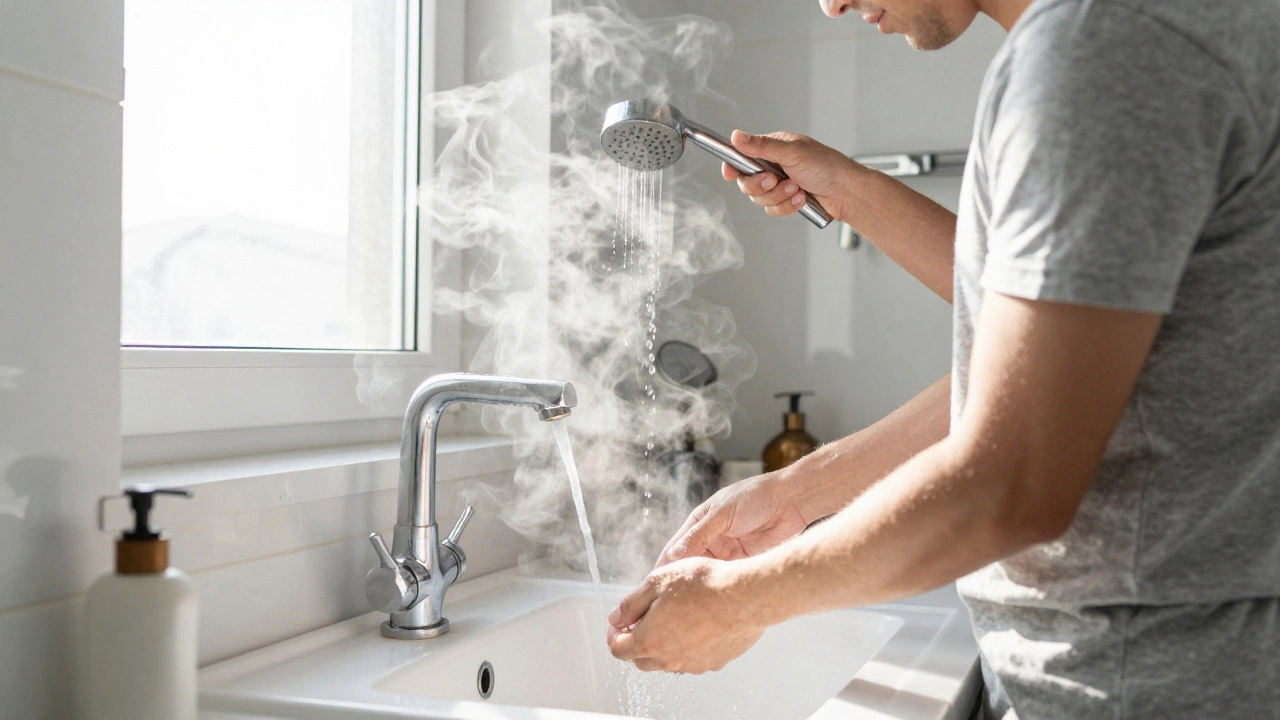
Before you panic about the water heater, test other faucets. Turn on the kitchen sink, bathroom sink, or bathtub. If none of them have hot water, the issue is with the water heater. If only the shower is cold, the problem is likely isolated to the shower valve or mixing valve. Most people skip this step and jump straight to calling a plumber, wasting time and money. Always start here.Reset the water heater’s circuit breaker
Electric water heaters often trip their circuit breaker when the heating elements overheat or short out. Head to your electrical panel and look for the breaker labeled "Water Heater," "Hot Water," or something similar. It might look normal-still in the "on" position-but sometimes it’s tripped just slightly. Flip it fully to the "off" position, then back to "on." Wait 30 minutes and check the shower again. This fixes the problem in nearly 30% of cases, especially in older homes with aging wiring.Check the thermostat settings
The thermostat on your water heater might have been accidentally turned down. Most units are set to 120°F (49°C) for safety and efficiency, but if someone adjusted it lower-maybe to save energy or because a child played with the dial-you’ll get lukewarm or cold water. For electric heaters, you may need to remove a panel to access the thermostats. There are usually two: upper and lower. Make sure both are set to the same temperature. For gas heaters, the dial is usually on the bottom. Turn it up to 120°F and wait an hour. Don’t set it higher than that. It’s a burn risk and wastes energy.Inspect the heating elements (electric water heaters)
If your water heater is electric and the breaker reset didn’t help, one or both heating elements may have burned out. These are the parts that actually heat the water. They can fail over time due to mineral buildup or age. You’ll need a multimeter to test them. Turn off the power at the breaker, drain a few gallons of water from the tank to reduce pressure, then remove the access panels and insulation. Disconnect the wires from each element and set your multimeter to ohms. Touch the probes to the element’s terminals. If you get no reading or infinite resistance, the element is dead. Replace it. Most hardware stores sell replacement elements for $20-$40. Match the wattage and voltage exactly. Reinstall, refill the tank, then turn the power back on.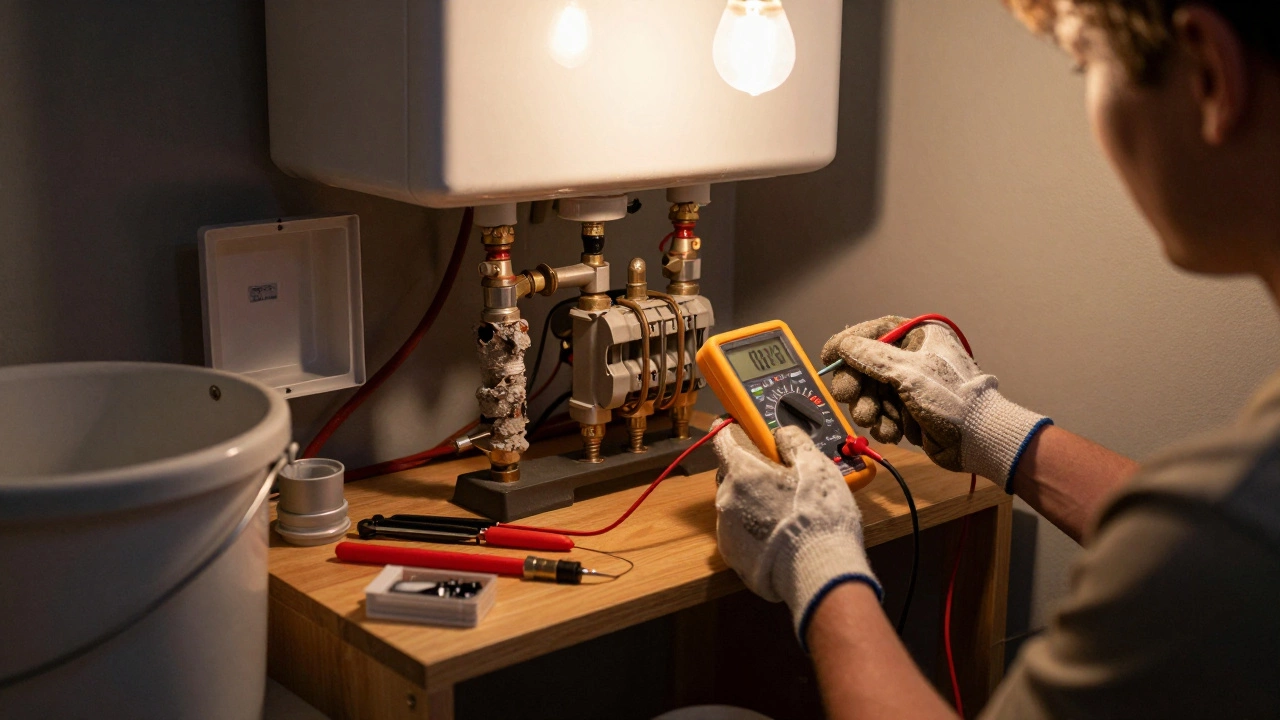
Check the dip tube (especially in older units)
The dip tube is a long plastic pipe that sends cold water to the bottom of the tank, where it’s heated. If it breaks or dissolves-which happens often in units made between 1993 and 1997-you’ll get cold water out of the hot tap. The broken pieces clog the outlet and let cold water mix in before it’s heated. Signs include cloudy water, white plastic flakes in your faucet aerators, or sudden loss of hot water after years of good performance. If you suspect this, call a plumber. Replacing the dip tube requires draining the tank and is not a DIY job for most people.Flush the water heater tank
Sediment buildup is the #1 killer of water heaters. Over time, minerals in the water settle at the bottom of the tank, forming a layer that insulates the heating elements from the water. This means the heater has to work harder, heats slower, and may not heat water all the way to the top. Flushing the tank every year prevents this. To do it: turn off the power or gas, close the cold water inlet valve, attach a garden hose to the drain valve at the bottom, and open the valve. Let it drain into a bucket or outside until the water runs clear. Open a hot water faucet upstairs to let air in and speed up the flow. Once clear, close the drain valve, open the cold water inlet, refill the tank, then restore power. This simple step can restore full hot water capacity in minutes.Check the gas supply and pilot light (gas water heaters)
If you have a gas water heater and no hot water, the pilot light may have gone out. Look through the inspection window on the bottom of the unit. If you don’t see a small blue flame, it’s out. Follow the instructions on the side of the heater to relight it. Usually, you turn the gas knob to "pilot," press and hold it, light it with a long match or lighter, then keep holding for 30-60 seconds before releasing. If the pilot won’t stay lit, the thermocouple is likely faulty. It’s a small metal rod next to the pilot that senses flame and keeps the gas valve open. If it’s dirty or broken, replace it. New thermocouples cost under $25 and are easy to swap.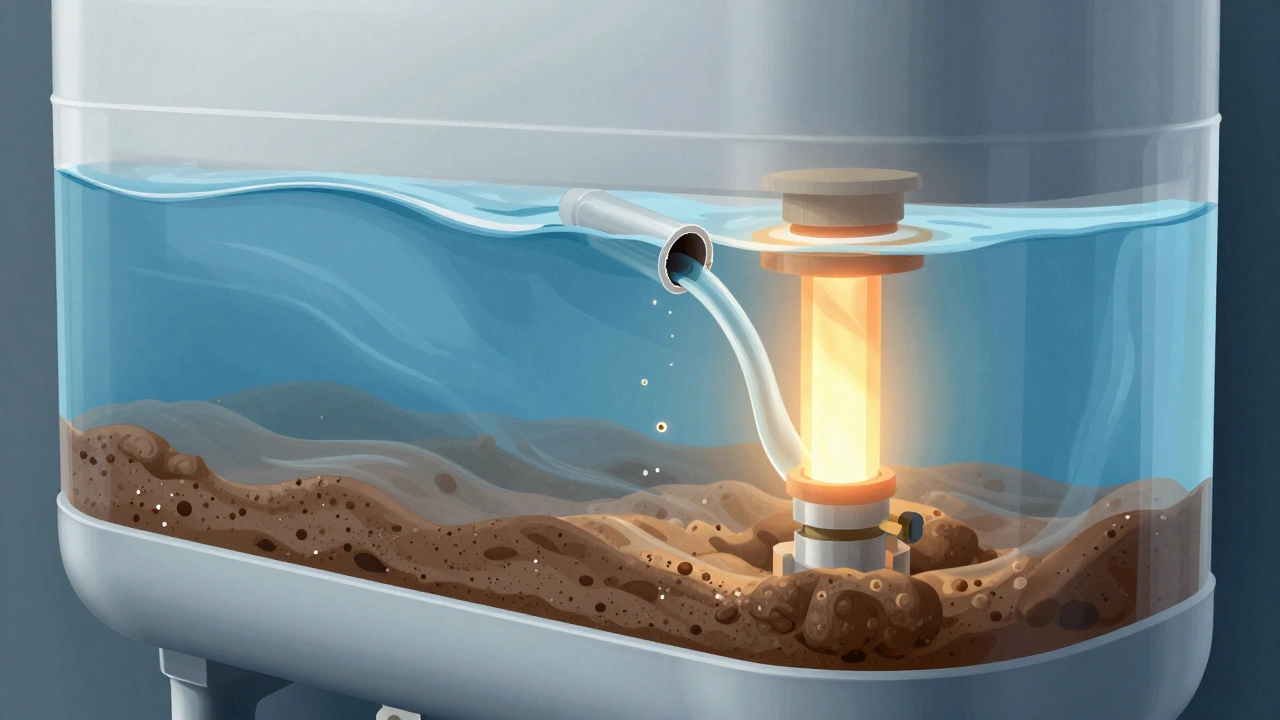
Test the temperature and pressure relief valve
This safety valve, usually on the top or side of the tank, releases water if pressure or temperature gets too high. If it’s leaking or stuck open, it can drain hot water out before it reaches your shower. Try lifting the lever on the valve to test it. If water flows and then stops when you release it, it’s working. If it drips continuously or won’t shut off, replace it. These valves cost $15-$30 and should be replaced every 3-5 years anyway.When to call a professional
Some problems need a licensed plumber or HVAC technician. Call one if:- The tank is leaking from the bottom (corrosion means it’s done)
- You smell gas near the unit (turn off the gas and leave immediately)
- The water is rusty or smells like rotten eggs (sulfur bacteria or anode rod failure)
- You’ve tried all the above and still have no hot water
- Your water heater is over 10 years old and showing multiple signs of failure
Water heaters typically last 8-12 years. If yours is older and you’re fixing it often, it’s cheaper in the long run to replace it. New energy-efficient models save money on bills and come with 10-year warranties.
Prevent future issues
Avoid repeating this problem. Do these three things every year:- Flush the tank to remove sediment
- Test the pressure relief valve
- Check the anode rod (if accessible)-if it’s more than half eaten away, replace it
Also, keep the area around the water heater clear. Don’t store boxes, paint, or flammable materials near it. Good airflow helps it run cooler and last longer.
Why does my shower have hot water only for a few minutes?
This usually means your water heater tank is too small for your household’s demand, or sediment has built up at the bottom, reducing its effective capacity. Flushing the tank often helps. If you have a 30-40 gallon tank and 3+ people showering back-to-back, you might need a larger unit. A 50-gallon tank is the standard for 3-4 person homes.
Can a broken shower valve cause no hot water?
Yes. If the mixing valve inside the shower handle is worn out, it might only allow cold water through-even if the water heater is working fine. Try turning the knob to full hot. If you still get cold water, remove the handle and inspect the cartridge. Replacement cartridges cost $20-$50 and are easy to swap with basic tools.
Is it safe to use the shower if the water heater is leaking?
If it’s a small drip from the pressure valve or pipe connection, it’s usually safe to use the shower temporarily. But if water is pooling around the base of the tank, the tank itself is corroding. Continuing to use it risks a sudden rupture, which can flood your home. Turn off the water and power, and call a professional immediately.
Why does my water heater make popping sounds?
Popping or crackling noises mean sediment has hardened at the bottom of the tank. As the heating element turns on, steam bubbles get trapped under the sediment and pop. This reduces efficiency and can damage the tank. Flushing the tank removes the sediment and usually stops the noise. If it continues after flushing, the tank may be too far gone.
Should I replace my water heater if it’s 12 years old?
Yes, if you’re experiencing frequent problems. Water heaters lose efficiency after 10 years. Even if it still works, your energy bills are likely higher than they need to be. New models are 20-30% more efficient and come with better warranties. Replacing it before it fails completely avoids emergency repair costs and water damage.