Water Heater Cold Water Diagnostic Tool
What type of water heater do you have?
Select your unit type to begin the diagnosis.
You turn the handle on your shower, expecting a warm rush to wash away the chill of the morning. Instead, you get a shock of icy water that makes you jump back. It’s frustrating, uncomfortable, and often happens at the worst possible time. If your water heater is only giving cold water, it’s not just an inconvenience-it’s a signal that something in your system has failed.
This isn’t always a catastrophic failure requiring an immediate replacement. Often, it’s a simple fix involving a tripped switch, a dirty sensor, or a misaligned setting. However, ignoring it can lead to higher energy bills, sediment buildup, or even safety hazards like carbon monoxide leaks in gas units. Let’s walk through the most common reasons why your hot water supply has vanished and how you can diagnose the issue yourself before calling a pro.
The Quick Checks: Settings and Power
Before you tear into panels or call for service, check the basics. Sometimes the problem is simpler than you think. For electric tank-style water heaters, look at the power switch. These units have a dedicated circuit breaker, usually located in your main electrical panel. If the breaker has tripped to the 'off' or middle position, the heating elements won’t receive any power. Flip it fully off, then back on. If it trips again immediately, you likely have a shorted heating element or a ground fault, which requires professional attention.
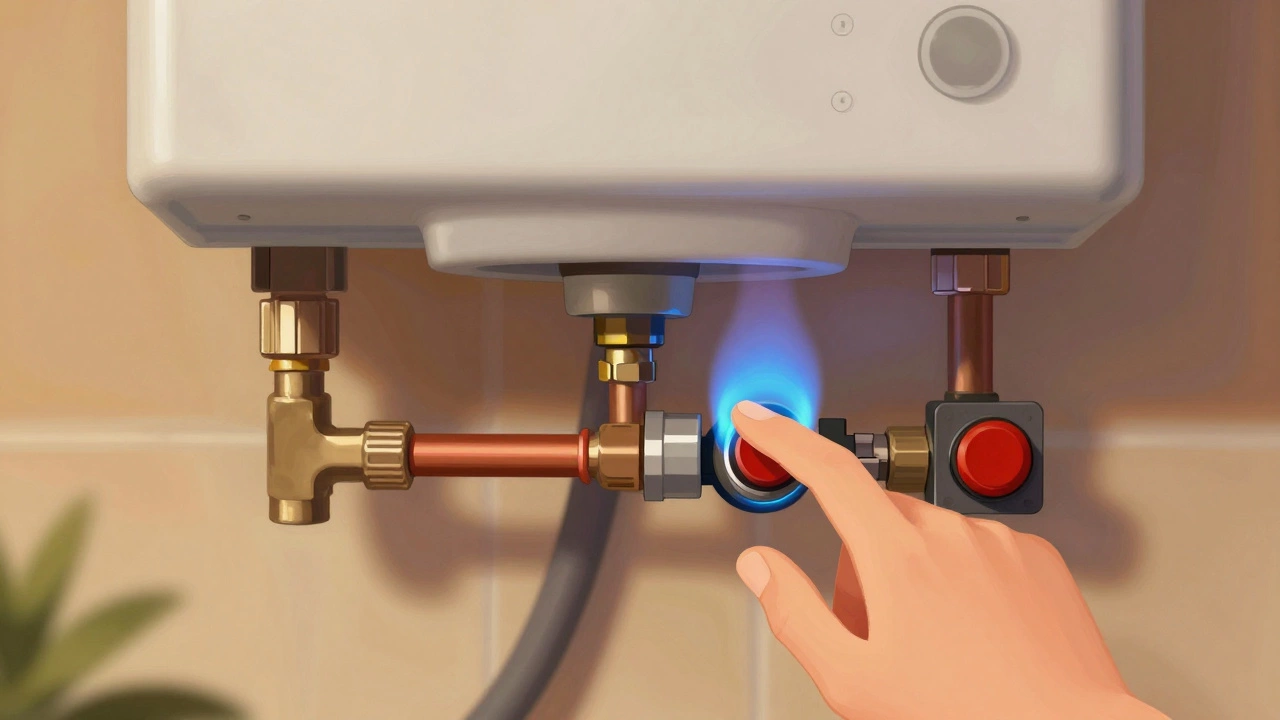
For gas models, check the pilot light. Through the viewing window on the control panel, do you see a steady blue flame? If it’s out, the burner won’t ignite, and your water stays cold. You might also notice the red reset button on the unit has popped out. This button is part of the high-limit safety switch. If the water temperature exceeded safe levels (usually around 140°F-160°F), this switch cuts power to the gas valve to prevent overheating. Pressing it resets the system, but if it pops out repeatedly, you have a serious thermostat or venting issue.
- Electric Units: Check the circuit breaker box for tripped switches.
- Gas Units: Look for a lit pilot light through the inspection window.
- All Units: Verify the thermostat dial is set between 120°F and 140°F.
Thermostat Failure: The Brain Behind the Heat
If power is flowing and the pilot is lit, the next suspect is the thermostat. Think of the thermostat as the brain of your water heater. It senses the water temperature and tells the heating elements (electric) or the gas burner (gas) when to turn on and off. Over time, thermostats can drift, fail to sense heat accurately, or burn out completely.
In electric water heaters, there are typically two thermostats-one for the upper heating element and one for the lower. If the upper thermostat fails, the lower element never gets a chance to work because the tank is stratified; cold water enters at the bottom, but if the top doesn’t heat up, the system thinks the whole tank is cold and shuts down. A multimeter test can tell you if the thermostat is sending voltage to the elements. If you’re comfortable with electrical work, you can replace these parts for under $50. If not, a technician can swap them quickly.
For gas heaters, the thermocouple plays a critical role. This small copper tube sits near the pilot light. Its job is to detect heat from the pilot and send a signal to keep the gas valve open. If the thermocouple is dirty, bent, or worn out, it won’t generate enough millivolts to hold the valve open. The result? The pilot light stays lit, but the main burner never ignites. Cleaning the tip with fine sandpaper or replacing the thermocouple ($10-$20 part) often solves this instantly.
Broken Dip Tube: The Hidden Culprit
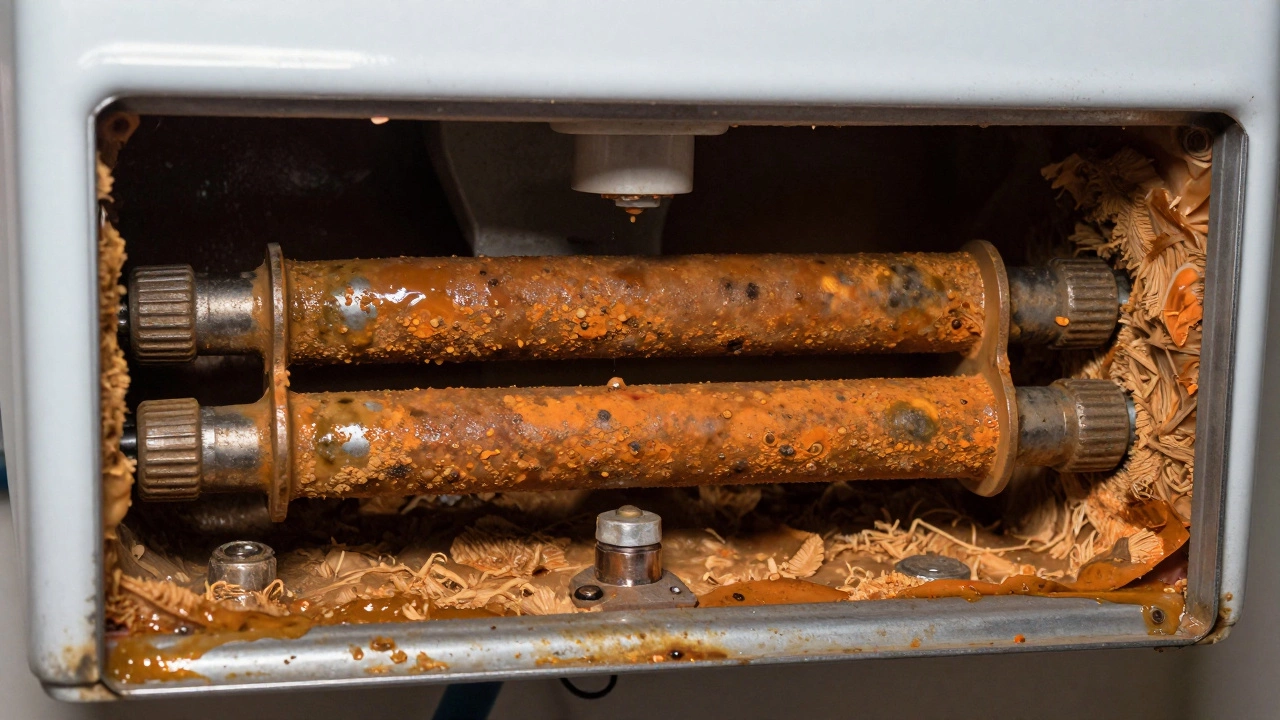
Here’s a sneaky one that many homeowners miss: the dip tube. When cold water enters your tank from the city supply, it needs to be directed to the bottom of the tank so it can heat up gradually. The dip tube is a plastic pipe inside the cold water inlet that does exactly that. If this tube cracks, breaks, or disintegrates over time, cold water shoots directly into the top of the tank-right where the hot water outlet is.
What does this feel like? You turn on the hot water, and for the first few seconds, it’s scalding hot (the stored hot water). Then, suddenly, it turns ice cold. If you let the tap run for a minute or two, it might warm up slightly as the cold water mixes and heats, but it will never reach the proper temperature. This is a classic sign of a broken dip tube. Replacing it requires shutting off the water, draining the tank, and removing the inlet nipple. It’s a moderate DIY job if you have basic plumbing skills, but it’s crucial for efficient heating.
Sediment Buildup and Heating Element Issues
If you live in an area with hard water, sediment buildup is likely your enemy. Minerals like calcium and magnesium settle at the bottom of the tank, forming a layer of rock-like sludge. In electric heaters, this sludge insulates the heating elements from the water. The elements get superheated trying to transfer heat through the mineral layer, which causes them to burn out prematurely. You might hear popping or rumbling noises from the tank-a clear sign of sediment boiling.
To fix this, you need to flush the tank. Attach a garden hose to the drain valve at the bottom of the heater and run it outside. Open the valve and let the water flow until it runs clear. Do this annually to extend the life of your unit. If flushing doesn’t help and you still have no hot water, the heating elements themselves may be dead. You can test them with a multimeter for continuity. If they show no resistance, they need replacement. Note that if elements are burnt out due to sediment, simply replacing them without flushing the tank will cause the new ones to fail within weeks.
Gas Valve and Pilot Light Problems
For gas water heaters, the gas control valve is the gatekeeper. If the pilot light is lit but the main burner doesn’t stay on, the valve itself might be faulty. Modern gas valves are complex electronic devices that regulate gas flow based on signals from the thermocouple and thermostat. If the internal components fail, the valve won’t open, regardless of whether the pilot is lit.
Another issue could be a clogged orifice. The orifice is a tiny hole that allows gas to flow to the burner. Dust, debris, or even spider webs can block this hole, preventing sufficient gas from reaching the burner. If you smell gas but don’t see a strong flame, shut off the gas immediately and call a professional. Never try to clean a gas orifice yourself unless you are experienced with gas appliances, as improper handling can lead to dangerous leaks or explosions.
| Symptom | Likely Cause | Difficulty Level |
|---|---|---|
| No hot water at all | Tripped breaker, blown fuse, or failed thermostat | Easy to Moderate |
| Pilot light won't stay lit | Dirty thermocouple or faulty gas valve | Moderate |
| Hot water turns cold quickly | Broken dip tube or low recovery rate | Moderate |
| Rumbling/popping noises | Sediment buildup insulating elements | Easy (Flushing) |
| Weak hot water pressure | Sediment clogging pipes or failing T&P valve | Hard (Professional) |
When to Call a Professional
While many of these fixes are within reach for a handy homeowner, some situations demand expert hands. If you suspect a gas leak, smell rotten eggs, or see soot around the flue pipe, evacuate the house and call your gas company immediately. Carbon monoxide poisoning is silent and deadly.
Also, consider calling a pro if your water heater is more than 10-12 years old. At that age, the tank lining may be corroding, leading to leaks. Fixing a single component on an aging unit is often a temporary band-aid. A professional can assess whether repair is cost-effective or if replacement is the smarter long-term investment. Modern tankless water heaters offer higher efficiency and endless hot water, though they require different maintenance routines, such as annual descaling.
Finally, if you’ve checked the breaker, reset the pilot, flushed the tank, and replaced the thermostat, but still have no hot water, the issue might be internal corrosion or a cracked tank. These are not DIY repairs. Safety first: if you’re unsure, hire a licensed plumber. The cost of a service call is far less than the damage caused by a burst tank or gas explosion.
How long should I wait for hot water after turning on the tap?
In a standard tank water heater, it usually takes 2-5 minutes for hot water to reach the faucet, depending on the distance from the heater. If it takes significantly longer, you may have air pockets in the lines or a partially blocked pipe.
Can a broken dip tube cause my water heater to explode?
No, a broken dip tube will not cause an explosion. It simply allows cold water to mix with hot water at the top of the tank, resulting in lukewarm or cold output. However, it can reduce efficiency and increase energy costs.
Why does my pilot light keep going out?
This is usually caused by a dirty or faulty thermocouple, drafts blowing out the flame, or a clogged pilot orifice. Clean the thermocouple tip or replace it if cleaning doesn’t resolve the issue.
Is it safe to reset a tripped water heater breaker multiple times?
If the breaker trips once, resetting it is fine. If it trips repeatedly after resetting, stop trying. This indicates a short circuit in the heating elements or wiring, which poses a fire risk. Call an electrician.
How often should I flush my water heater?
Annually is recommended for areas with average water hardness. In areas with very hard water, flushing every six months can prevent sediment buildup and extend the life of the unit.