Hot Water Troubleshooting Diagnostic Tool
Answer each question below to diagnose your hot water issue. Click on each step, then select the option that matches your situation.
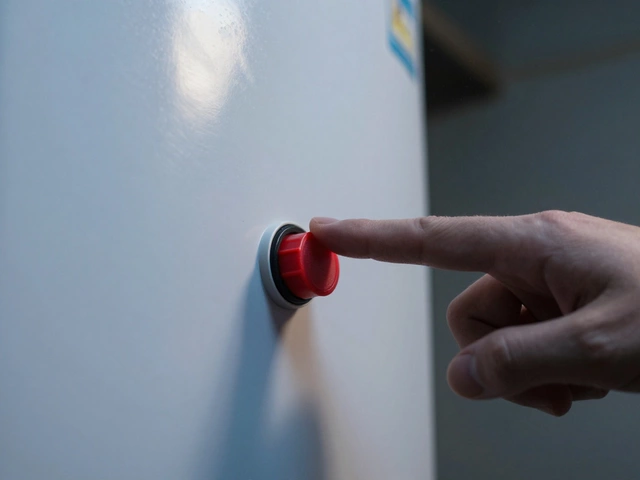
Check the dial on the front panel. It should be around 120°F (49°C).
Look through the viewing window near the bottom for a steady blue flame.
Check your electrical panel for two breakers labeled "Water Heater."
Check the digital display for codes like E1, H3, etc.
0 of 8 steps completed
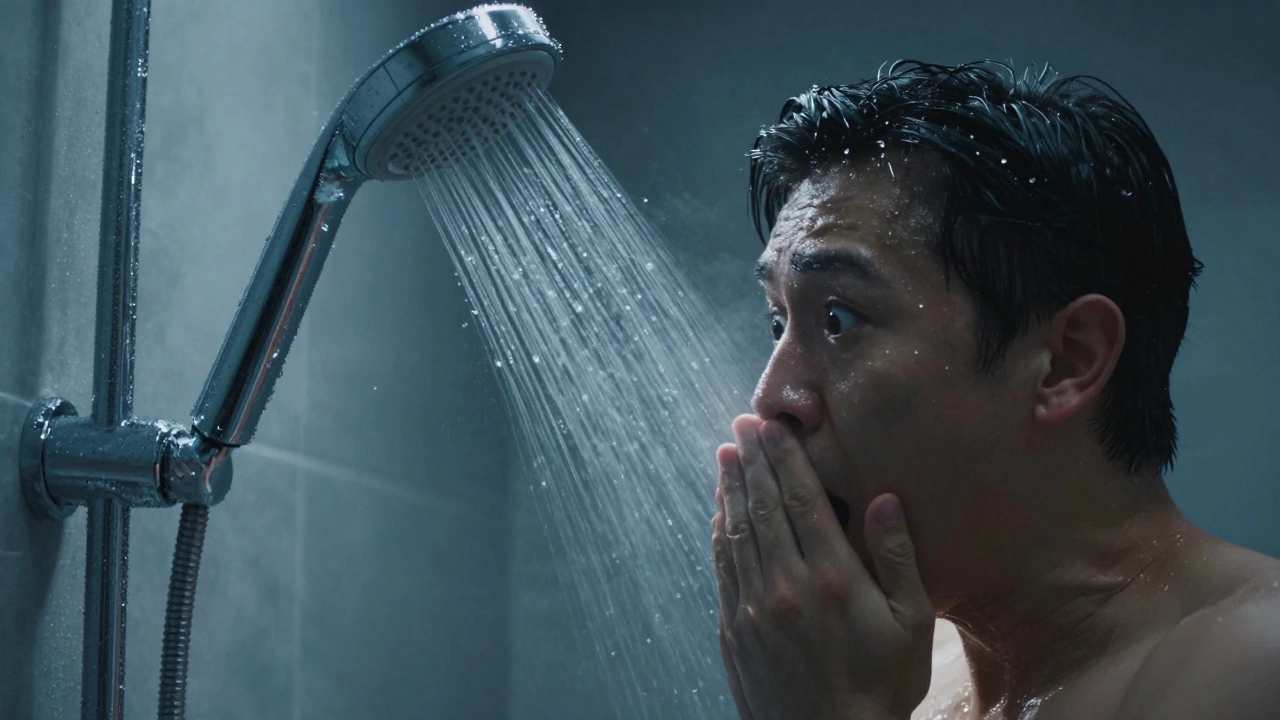
There is nothing quite as jarring as stepping into a shower and getting blasted with freezing water. You reach for the handle, turn it to the red side, and wait. Nothing happens. The pipes stay cold. In Hamilton, where our winters can bite hard even in late spring, losing your hot water isn’t just an inconvenience-it’s a shock to the system. Before you panic or call a technician at a premium rate, take a breath. Most of the time, the issue is simple, cheap, and something you can fix yourself in under ten minutes.
When your hot water goes off, it usually falls into one of three categories: a control failure, a fuel supply issue, or a component breakdown. Understanding which category your problem belongs to saves you money and stress. Let’s walk through exactly how to diagnose what went wrong, starting with the easiest fixes and moving toward the more complex ones that might need professional hands.
Check the Thermostat and Pilot Light First
If you have a traditional storage tank water heater, the first place to look is the thermostat dial on the front panel. It sounds silly, but kids, pets, or accidental bumps can knock this dial down. Check if it has been turned to "Off" or a low setting like "Vacation." If it was accidentally lowered, simply turn it back up to around 120°F (49°C). Give it thirty minutes to see if the water warms up. If the dial feels loose or doesn’t click into place, the internal switch might be broken, which is a common wear-and-tear issue in older units.
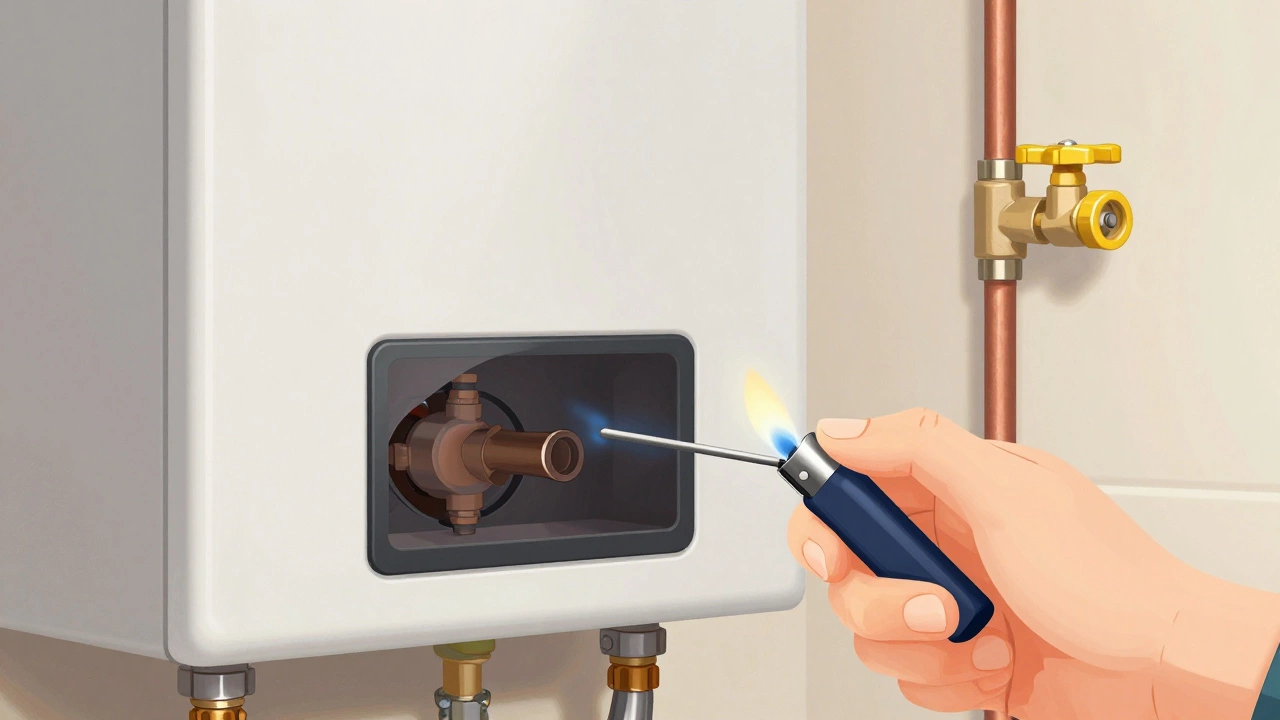
For gas water heaters, look through the small viewing window near the bottom. Do you see a steady blue flame? If the pilot light is out, the burner won’t fire, and your water will stay cold. This often happens due to drafts or a faulty thermocouple. To relight it, follow the manufacturer’s instructions carefully-usually involving holding a button down while igniting the pilot with a match or lighter. If the flame stays lit after you let go, great. If it goes out immediately, your thermocouple is likely dirty or failing and needs replacement.
Electric Water Heaters: The Tripped Breaker
Electric water heaters are simpler because they don’t deal with combustion, but they draw a lot of power. If your hot water suddenly stops working, check your home’s electrical panel. Look for two breakers labeled "Water Heater." These are usually double-pole breakers. If either one has flipped to the middle "Off" position or looks slightly different from the others, it has tripped. This often happens during power surges or if the heating elements are shorting out.
To reset it, flip the breaker fully off, then back on firmly. Listen for a click. If it trips again immediately after you turn it on, do not keep trying. This indicates a serious electrical fault, such as a failed heating element or a short circuit inside the tank. Continuing to force it could damage your home’s wiring. At this point, you need an electrician or a specialized appliance repair technician to inspect the elements and the high-limit switch.
Gas Supply Issues and Valve Positions
If you rely on natural gas or propane, ensure the gas valve leading to your water heater is fully open. Sometimes, maintenance work on other appliances or minor gas line adjustments can leave this valve partially closed. Locate the yellow valve handle on the gas pipe connected to the unit. It should be parallel to the pipe for "On" and perpendicular for "Off." If it’s not parallel, turn it gently until it aligns. You should hear the gas flow and smell a faint odor initially (which is normal), followed by the sound of ignition.
If the valve is open but you still don’t have a flame, check if your furnace or stove is also working. If all gas appliances are dead, you might have a broader supply issue from your utility provider. In Hamilton, occasional main line repairs can interrupt service. Call your local gas company to verify if there is an outage in your area before assuming your unit is broken.
Sediment Buildup and Heating Elements
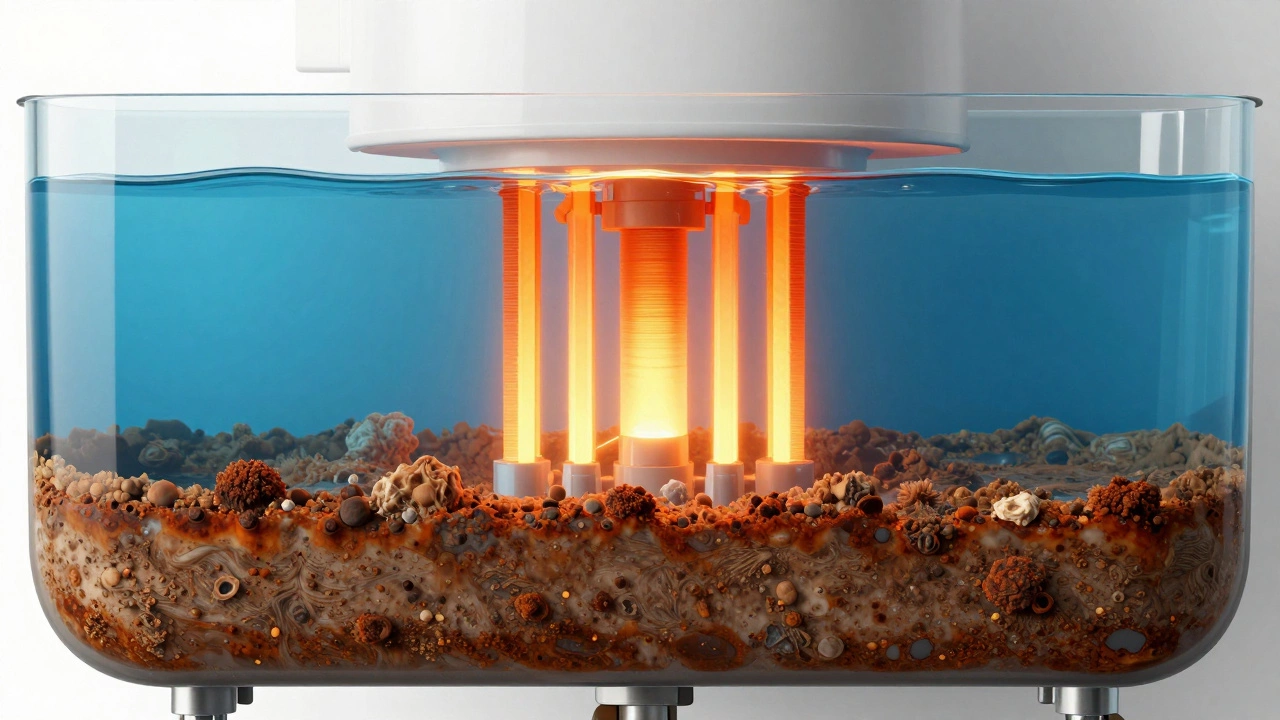
Over time, minerals in our tap water settle at the bottom of the tank, forming a layer of sediment. This acts as an insulator between the heating element and the water. For electric heaters, this causes the element to overheat and fail prematurely. For gas heaters, it reduces efficiency and can cause popping noises or uneven heating. If your hot water takes forever to heat up or runs out quickly, sediment might be the culprit.
You can test this by draining a few gallons of water from the drain valve at the bottom of the tank into a bucket. If the water comes out brown, cloudy, or smells like rotten eggs, you have significant buildup. Flushing the tank annually removes this sediment and extends the life of your heater. However, if the tank is old (over ten years) and heavily corroded, flushing might not be enough, and the tank itself could be leaking internally.
Tankless Water Heaters: Error Codes and Flow Sensors
Tankless water heaters, also known as on-demand heaters, work differently. They don’t store water; they heat it as it flows through the unit. If your hot water cuts out mid-shower, check the digital display for error codes. Common codes include "E1" for ignition failure or "H3" for overheating. These codes tell you exactly what’s wrong without guessing.
A frequent issue with tankless units is the flow sensor. If the sensor gets clogged with debris or fails electronically, the unit thinks no water is flowing and shuts off to save energy. Clean the inlet filter screen where the water enters the unit. Remove it, rinse it under running water, and reinstall it. If the error persists, the flow sensor module may need replacement. Another common cause is insufficient gas pressure or voltage drops when other heavy appliances run simultaneously.
| Symptom | Likely Cause | DIY Fix? |
|---|---|---|
| Cold water only | Thermostat set to low/off | Yes |
| No flame/pilot light out | Draft or faulty thermocouple | Yes (relight) |
| Breaker trips repeatedly | Failed heating element | No (Call Pro) |
| Error code E1/H3 | Ignition or overheating issue | Maybe (Clean filter) |
| Rotten egg smell | Bacterial growth/sediment | Yes (Flush tank) |
When to Call a Professional
While many issues are DIY-friendly, some require expertise. If you suspect a gas leak (strong sulfur smell), evacuate your home immediately and call the gas company from outside. Never try to fix gas leaks yourself. Similarly, if your water heater is leaking from the top or bottom of the tank, the internal lining has likely failed. This is not repairable; the tank needs replacement. Attempting to patch a leaking tank is dangerous and inefficient.
In Hamilton, finding a reliable technician means looking for licensed plumbers or HVAC specialists who carry proper insurance. Ask about their experience with your specific brand and model. A good technician will diagnose the issue transparently, explain the repair options, and provide a warranty on parts and labor. Don’t hesitate to ask for references or online reviews to ensure you’re hiring someone trustworthy.
How long does it take for a water heater to heat up?
A standard 50-gallon tank water heater typically takes 30 to 60 minutes to fully heat up after being turned off or reset. Tankless units heat water instantly as it flows, so you should feel warm water within seconds of turning on the tap.
Is it safe to relight a pilot light myself?
Yes, if you follow the manufacturer’s instructions carefully. Ensure there are no strong gas odors present before attempting to relight. If the pilot light goes out repeatedly or you smell gas, stop and call a professional.
Why is my hot water coming out brown?
Brown hot water usually indicates rust inside the tank or significant sediment buildup. Flushing the tank can help, but persistent discoloration may mean the tank is corroding and needs replacement.
Can a tripped breaker cause no hot water?
Yes, for electric water heaters. If the circuit breaker trips, the heating elements lose power. Resetting the breaker often restores function, but repeated tripping signals a deeper electrical fault.
How much does it cost to repair a water heater?
Minor repairs like replacing a thermostat or pilot light assembly cost between $150 and $300. Major repairs involving heating elements or valves can range from $300 to $600. Full replacement costs vary widely based on type and capacity.