Water Heater Savings Calculator
How Much You're Losing Without Flushing
Sediment buildup reduces efficiency by up to 24%. Calculate your potential savings and extended lifespan.
Your Results
Potential Annual Savings
Energy Efficiency Improvement
Extended Lifespan
Based on U.S. Department of Energy data showing sediment buildup reduces efficiency by 24%. Savings increase with higher water hardness and older heaters.
Most people don’t think about their water heater until it stops working. But if you’ve never flushed it, you’re already paying the price-just not in the way you expect. It’s not a dramatic failure. No loud bangs, no sudden leaks. Instead, it’s a slow, silent decline: hotter bills, weaker showers, strange noises, and a heater that dies years earlier than it should.
What’s Actually Inside Your Water Heater?
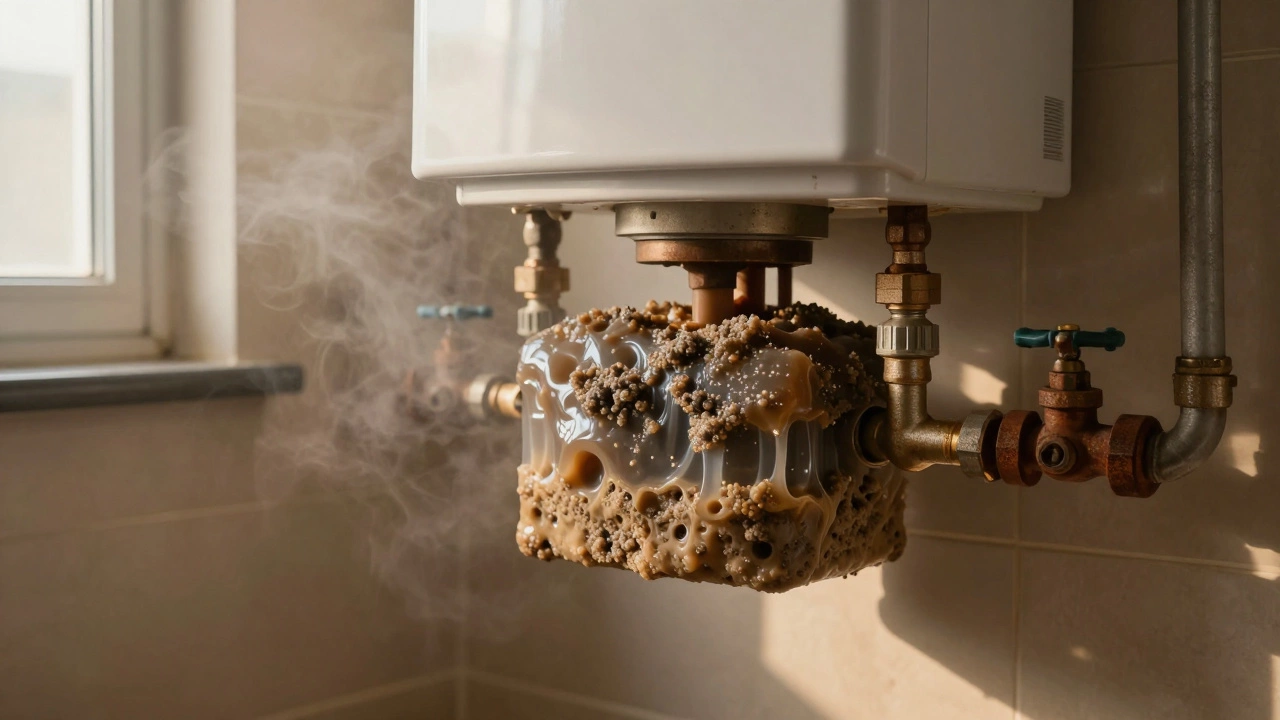
Your water heater doesn’t just store hot water. It stores sediment. Every time water enters the tank, it carries tiny particles of minerals like calcium, magnesium, and iron. These don’t dissolve. They sink. Over time, they pile up at the bottom, forming a thick layer of sludge. In hard water areas, this can be an inch or more in just five years. That’s not dirt. That’s mineral crust-hard as concrete in places.
That sediment doesn’t just sit there. It acts like insulation between the heating element (or gas burner) and the water. Think of it like wrapping your oven in a blanket and expecting it to heat up fast. The heater has to work harder, longer, and hotter to get the same results. That’s why your energy bill creeps up, even if nothing else changed in your home.
The Slow Death of Your Water Heater
Flush your water heater every 12 to 18 months, and it can last 10 to 15 years. Skip it? You’re cutting that lifespan in half. The sediment doesn’t just reduce efficiency-it destroys components.
The bottom heating element in electric models gets buried. It overheats because the water around it isn’t moving. The metal fatigues. Cracks form. Then it burns out. You get cold showers. You replace the element. But if the sediment is still there? It kills the new one too. Same thing with gas water heaters. The burner pan gets coated. Flames don’t spread evenly. Hot spots form. The tank warps. The lining cracks. That’s when leaks start.
And don’t think your tank is safe just because it’s newer. Even a two-year-old heater can have half an inch of sediment if you live in a hard water area. There’s no visible warning. No dashboard light. Just a quiet, steady decline.
Noisy Water Heaters Are a Red Flag
If your water heater sounds like a pot of boiling gravel, that’s not your imagination. That’s sediment. When water gets trapped under the mineral layer, it boils. It bubbles. It pops. It cracks against the metal. That noise? It’s the sound of your heater working harder-and failing faster.
Some people try to ignore it. Others turn up the thermostat to compensate for the weak heat. That just makes things worse. Higher temperatures accelerate mineral buildup. It’s a vicious cycle. The louder it gets, the more energy it uses, and the sooner it breaks.
Hot Water That Runs Out Too Fast
Remember when your 40-gallon tank gave you a 20-minute shower? Now it’s 8 minutes and you’re shivering. That’s not a broken showerhead. That’s sediment.
Sediment takes up space in the tank. Every inch of sludge means less actual water. A 50-gallon tank with 3 inches of sediment at the bottom might only hold 40 gallons of usable water. And because that sludge insulates the bottom, the water at the top stays lukewarm. You run out of hot water faster, even if the heater is running nonstop.
Some homeowners blame their showerheads, their pipes, or even their family for using too much water. The real culprit? The layer of rock-hard minerals you never cleaned out.
What Happens When It Finally Fails?
Eventually, the tank gives out. And when it does, it doesn’t just stop working-it might leak. Or worse, it might rupture.
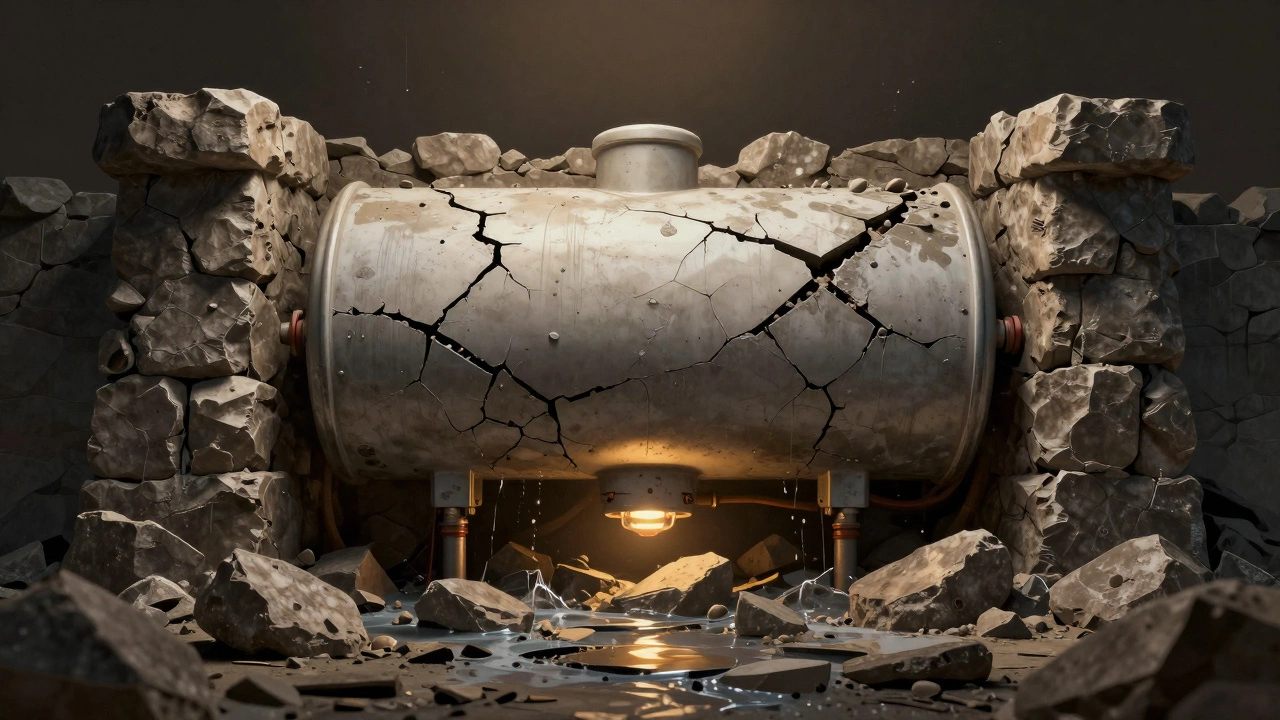
Mineral buildup causes uneven heating. Metal expands and contracts unevenly. Over years, that stress creates hairline cracks. Water seeps out slowly. You see a puddle under the heater. You think, “I’ll deal with it tomorrow.” But that puddle isn’t from a loose valve. It’s from a corroded tank. Once the tank cracks, water keeps pouring. Drywall rots. Floorboards warp. Mold grows. Insurance claims get messy. And replacing a water heater after a flood? That’s three times the cost of flushing it annually.
Most water heater failures happen in the winter. That’s when demand is highest. You wake up to no hot water. The plumber says, “It’s dead. You need a new one.” And you realize you’ve spent $2,000 on repairs and energy over the last five years-and now you’re paying $1,500 for a replacement.
Flushing Is Simple. Here’s How.
Flushing your water heater takes about 30 minutes. You don’t need special tools. Just a garden hose and a bucket.
- Turn off the power. For electric: flip the breaker. For gas: turn the dial to “pilot.”
- Turn off the cold water supply. That’s the pipe on top with a handle or lever.
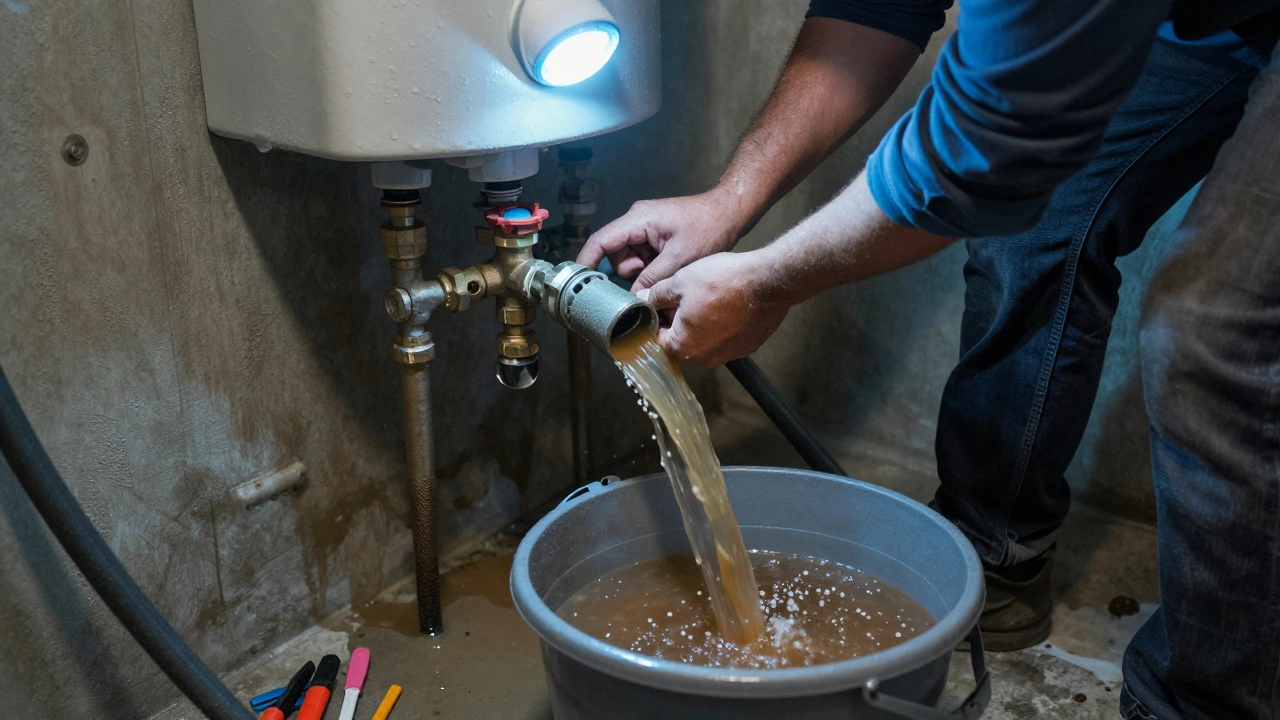
- Attach a garden hose to the drain valve at the bottom. Run the other end to a floor drain, outside, or into a large bucket.
- Open the drain valve. Let the water flow. It’ll be dirty at first-brown, gray, or gritty. Keep going until it runs clear.
- Open a hot water faucet somewhere in the house. This lets air in and helps the tank drain faster.
- Once the water runs clear, close the drain valve. Remove the hose. Turn the cold water back on. Wait for the tank to refill (you’ll hear it filling). Then turn the power or gas back on.
Do this once a year. If you have hard water, do it twice. You’ll save money, extend the life of your heater, and never have to listen to that gravel noise again.
What If You’ve Never Flushed It?
If your water heater is older than five years and you’ve never flushed it, don’t panic. But do act.
Start by draining a few gallons. If the water comes out thick and dark, you’ve got serious buildup. Don’t try to flush it all at once. Drain a few buckets, then refill and drain again. Repeat. It might take three or four cycles to clear it out.
But if the water heater is 10+ years old and you’re already getting cold showers or strange noises? Flushing might not fix it. The damage is done. The tank could be too far gone. At that point, you’re deciding: spend $150 to flush it and hope for a few more years-or spend $1,200 to replace it and get a fresh start.
There’s no magic number. But if you’ve skipped flushing for 8 years, you’re gambling with your home. And the odds aren’t in your favor.
When to Call a Pro
You can flush your own water heater. But there are times you need help.
- If the drain valve is stuck or broken. Forcing it can crack the tank.
- If you smell gas while working on a gas heater. Turn off the gas and call immediately.
- If the water is red or rusty. That could mean internal corrosion-time for a replacement.
- If you’re not comfortable working with electricity or gas.
A plumber can test the anode rod too. That’s the sacrificial metal inside the tank that rusts instead of the tank. If it’s eaten away, the tank is unprotected. Replacing the rod can add years to your heater’s life. But most homeowners don’t know it’s there.
Bottom Line
Flushing your water heater isn’t optional. It’s the single most important thing you can do to keep it running. It’s cheaper than a new heater. It’s cheaper than your next electric bill. It’s cheaper than water damage from a burst tank.
It’s not glamorous. No one posts about it on Instagram. But if you want hot water next winter-and the winter after that-you’ll do it. And you’ll thank yourself when your heater keeps working long after your neighbor’s gave out.
How often should I flush my water heater?
Flush it once a year. If you have hard water (above 7 grains per gallon), do it twice a year. Hard water means more minerals, faster buildup. Most manufacturers recommend annual flushing to keep the warranty valid.
Can I flush my water heater myself?
Yes, most homeowners can do it safely with basic tools: a garden hose, gloves, and a bucket. Just turn off the power or gas and the cold water supply first. If you’re unsure about electrical connections or gas lines, call a professional. Safety comes first.
What happens if I don’t flush my water heater?
Sediment builds up at the bottom, reducing efficiency, increasing energy bills, and shortening the heater’s life. It can cause noisy operation, reduced hot water, and eventually tank failure. In severe cases, the tank can crack and leak, leading to water damage and costly repairs.
How do I know if my water heater has sediment buildup?
Signs include: strange popping or rumbling noises, reduced hot water supply, discolored water (brown or yellow), higher energy bills, and longer wait times for hot water. The best way to confirm is to drain a few gallons through the bottom valve-if it’s gritty or cloudy, you’ve got buildup.
Does flushing a water heater really save money?
Yes. According to the U.S. Department of Energy, sediment buildup can increase energy use by 24% or more. Flushing annually can restore efficiency and save $50-$150 per year on bills. It also extends the heater’s life by 2-5 years, delaying a $1,000-$2,000 replacement cost.