Fan Type Diagnostic & Airflow Visualizer
Step 1: Identify Your Fan System
Answer these questions to determine your fan type. The visualization below will update in real-time.
Live Airflow Visualization
Walking into a kitchen where the air feels stale and humid is a universal annoyance. You reach for the switch above the stove, expecting relief, but sometimes the unit just hums without actually moving the air. This confusion often stems from mixing up two terms that are frequently used interchangeably: ventilation fan is a broad category of devices designed to move air within or out of a space. On the other hand, an extractor fan is a specific type of ventilation system that actively pulls air out of a room to the outside. Understanding this distinction matters not just for buying the right equipment, but for diagnosing why your current setup isn't working as expected.
In many households, especially in older homes or those with ducted systems, these terms blur together. However, when it comes to maintenance or repair, the mechanical differences become critical. A standard ventilation fan might simply recirculate filtered air, while an extractor fan deals with moisture, odors, and grease by expelling them entirely. If you are dealing with a noisy, underperforming, or completely dead unit, knowing which mechanism you have dictates whether you need a simple filter clean or a complex motor replacement.
The Core Mechanical Difference
To grasp the fundamental difference, look at the path of the air. An air circulation fan (often what people mean by generic ventilation) typically draws air from one part of a room and blows it back into another part of the same room. Think of a ceiling fan or a portable box fan. Its primary job is comfort through movement, not purification or removal. It does not change the quality of the air; it just mixes it.
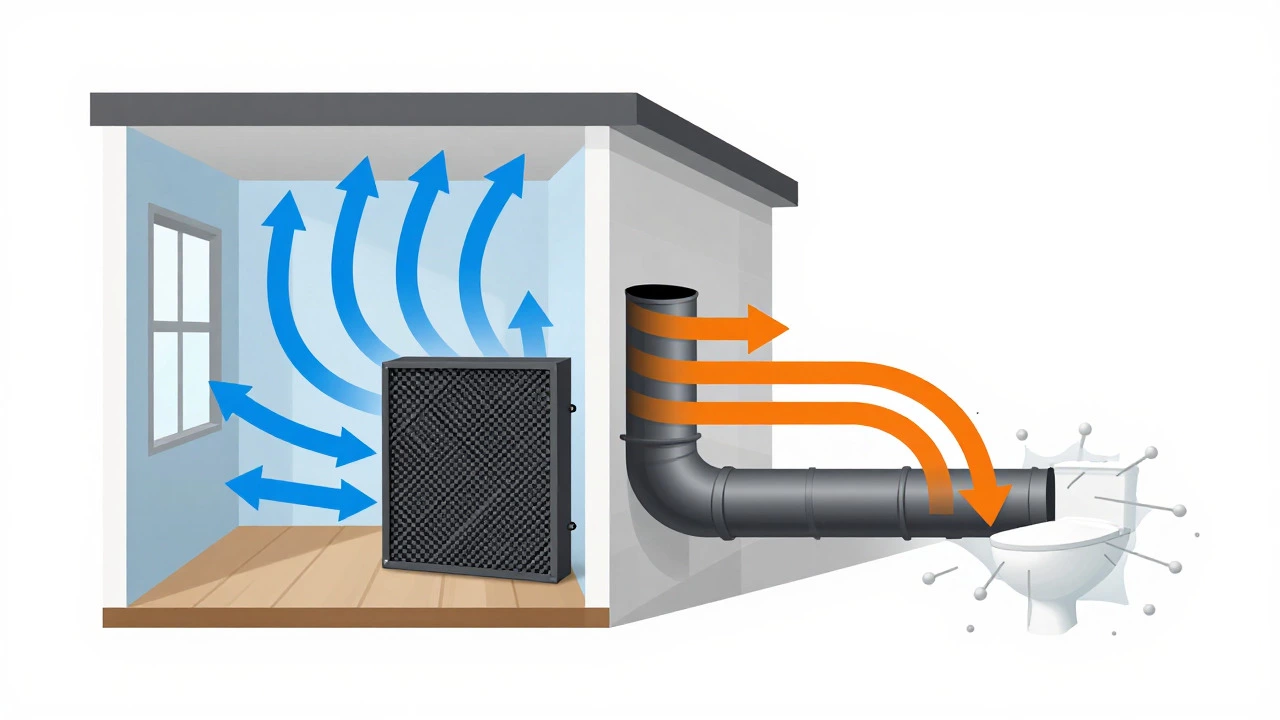
An kitchen extractor fan, however, operates on a different principle. It creates negative pressure in the room by pulling air through a grille, past a filter, and then forcing it through a ductwork system to the exterior of the building. This process physically removes contaminants like steam, cooking fumes, and bacteria. The key component here is the duct. Without a direct path to the outdoors, an extractor fan cannot fulfill its purpose. If you see a vent cap on your roof or exterior wall connected to your kitchen hood, you have an extractor system. If the air just swirls around inside the kitchen, you likely have a recirculating ventilation setup.
Recirculating vs. Ducted Systems
This leads to the most common point of confusion: recirculating versus ducted configurations. Many modern range hoods offer both options, which adds to the terminology mix-up.
- Ducted Extraction: Air leaves the house. This requires installing ductwork to the outside. It is the most effective method for removing humidity and strong odors. The fan works harder because it has to push air against external weather conditions and through long pipes.
- Recirculating Ventilation: Air stays inside the house. The fan pulls air through carbon filters (charcoal filters) that trap odors and some particles, then blows the air back down into the kitchen. This is easier to install since no exterior penetrations are needed, but it does nothing to reduce indoor humidity levels.
So, if you bought a "ventilation fan" for your bathroom hoping to stop mold, but installed it in recirculating mode, you might be disappointed. The air moves, but the moisture remains trapped in the room. True extraction requires the air to leave the structure.
Why the Distinction Matters for Repairs
When a fan stops working properly, the diagnosis depends heavily on which type you actually have. In Hamilton, Canada, where winters can be harsh and homes are tightly sealed to retain heat, these systems face unique stresses.
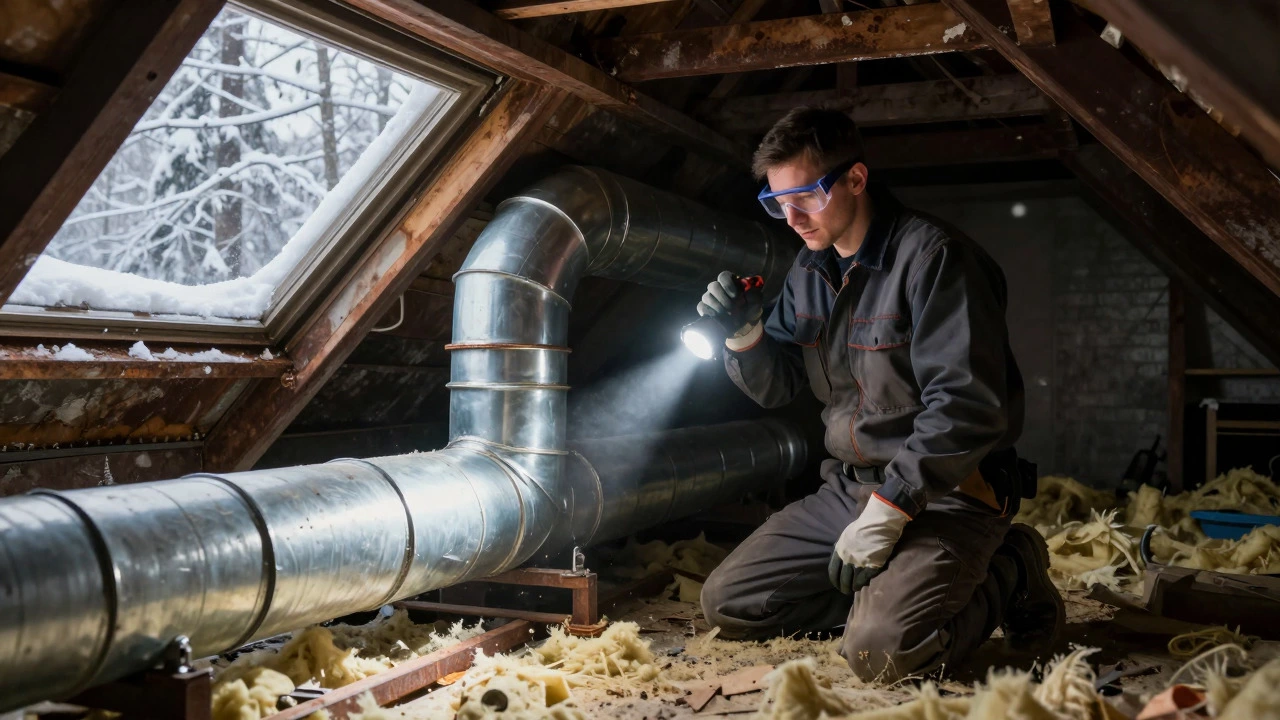
If you have a bathroom exhaust fan that is ducted to the attic or outside, the most common issue is blockage. Leaves, bird nests, or ice buildup can clog the external vent. Inside, grease and dust accumulate on the blower wheel. If the motor sounds strained or the airflow is weak, it’s often not the motor itself but the resistance caused by a clogged duct. Cleaning the external vent cap and the internal ducting can restore performance without touching the electrical components.
Conversely, if you have a recirculating kitchen hood, the "repair" is usually just replacing the charcoal filters. These filters don't wash; they saturate. Once saturated, they lose their ability to trap odors, making the fan seem ineffective even though the motor is running perfectly. Homeowners often mistake this for a broken fan and call for expensive motor repairs, when a $20 filter swap solves the problem.
| Feature | Ventilation Fan (Recirculating) | Extractor Fan (Ducted) |
|---|---|---|
| Air Path | Inside the room only | From room to outside |
| Primary Function | Cooling, odor masking | Humidity removal, contaminant expulsion |
| Filter Type | Carbon/Charcoal (replaceable) | Metal Mesh (washable) + Duct cleaning |
| Installation Complexity | Low (no exterior work) | High (requires ducting to exterior) |
| Common Failure Mode | Saturated filters, loose wiring | Clogged ducts, corroded vents, motor burnout |
Signs Your System Needs Attention
Regardless of the type, certain symptoms indicate that your system is failing. Ignoring these signs can lead to higher energy bills, structural damage from moisture, or complete motor failure.
- Noise Changes: A sudden screeching or rattling sound usually indicates a unbalanced blower wheel or debris caught in the fan blades. For extractor fans, this is often due to grease buildup causing imbalance.
- Weak Airflow: If the fan runs but doesn't pull air effectively, check the filters first. If filters are clean, inspect the ductwork. A collapsed flexible duct in the attic is a frequent culprit in Canadian homes.
- Condensation: Seeing water droplets on the fan housing or nearby walls suggests poor extraction. The moist air isn't leaving fast enough and is condensing on cooler surfaces.
- Tripped Breaker: If the fan trips the circuit breaker immediately upon starting, the motor may be shorted. This is a serious electrical issue requiring professional intervention.
Maintenance Best Practices for Canadian Homes
Living in a climate like Hamilton's means your fans work in extreme temperature swings. In winter, cold air entering through extractor vents can cause condensation inside the ductwork. Over time, this moisture can lead to rust in metal ducts or mold growth in plastic ones.
For optimal longevity, follow these routine steps:
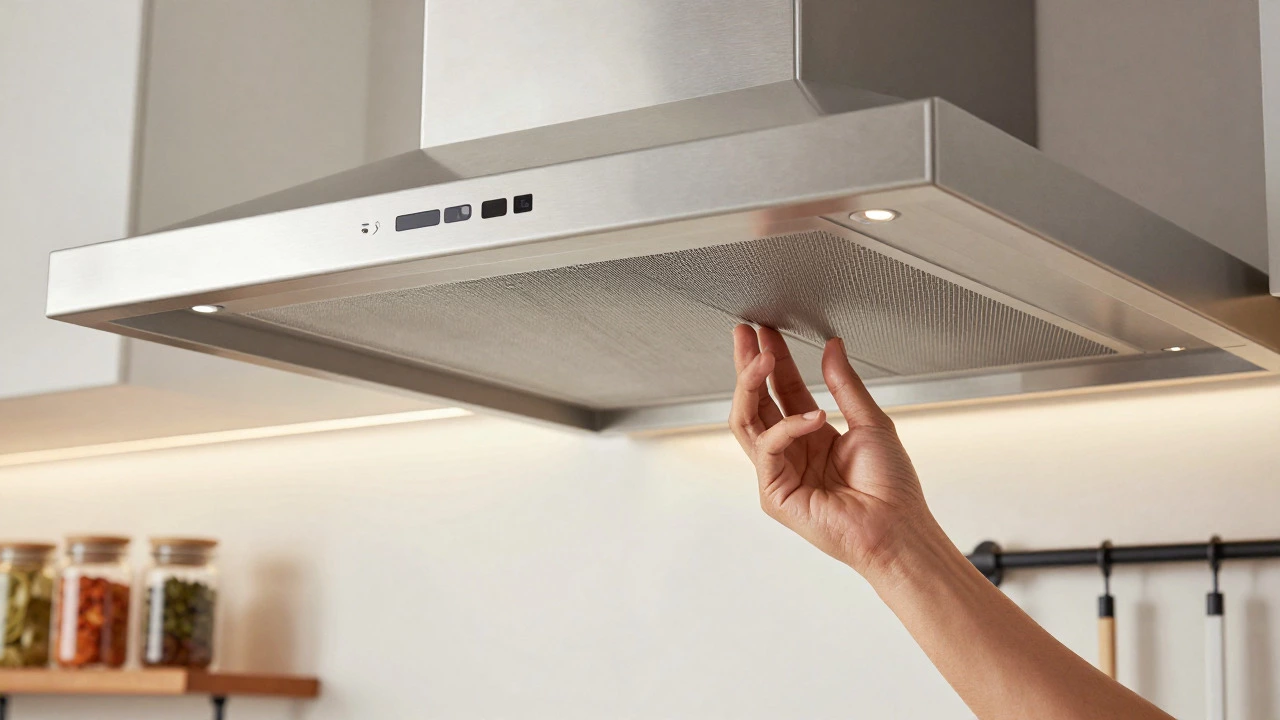
- Clean Monthly: Remove and wash metal mesh filters in hot soapy water. Let them dry completely before reinserting.
- Inspect Quarterly: Check the external vent cap for ice, snow, or bird nests. Ensure the flap opens freely.
- Test Annually: Hold a tissue paper near the intake. It should stick firmly when the fan is on high. If it falls, your suction is compromised.
- Replace Charcoal Filters Bi-Annually: If using a recirculating system, replace carbon filters every six months, or more often if you cook daily.
Proper maintenance extends the life of the motor and keeps energy consumption low. A dirty fan works harder, drawing more amperage and heating up the motor windings prematurely. By keeping the airflow path clear, you ensure the motor runs cool and efficient.
When to Call a Professional
While many issues are DIY-friendly, some problems require specialized tools and knowledge. If you hear a grinding noise from the motor itself, suspect a capacitor failure, or find that the ductwork is inaccessible without opening the ceiling, it’s time to bring in a pro. Electricians and HVAC technicians can diagnose motor winding failures, replace capacitors, and ensure that the grounding is correct to prevent shock hazards. Given the location of these units-often near water sources and high heat-electrical safety is paramount.
Understanding the difference between a ventilation fan and an extractor fan empowers you to make better maintenance decisions. You’ll know when to clean a filter versus when to unclog a duct, and when to replace a part versus when to call for help. This knowledge saves money and keeps your home healthy.
Can I convert a recirculating fan to an extractor fan?
Yes, but it requires installation work. You must drill a hole in the exterior wall or roof and run rigid or semi-rigid ducting from the fan to the outside. You also need to remove the charcoal filter baffle and install a proper external vent cap. This is a moderate DIY project for experienced homeowners but best left to professionals if the ducting route is complex.
Which type of fan is better for a small kitchen without ducting access?
A recirculating ventilation fan is the only viable option if you cannot access the exterior. Choose a model with high-quality, replaceable carbon filters. While it won't remove humidity, it will significantly reduce cooking odors. Just remember to change the filters regularly to maintain effectiveness.
Why does my extractor fan make a loud humming noise but not blow air?
This is a classic sign of a seized blower wheel or a failed start capacitor. The motor tries to spin but gets stuck due to grease buildup or mechanical obstruction. Alternatively, the capacitor that gives the motor initial torque may be degraded. Clean the fan blades thoroughly first; if the noise persists, the capacitor likely needs replacement.
How often should I clean the ductwork of an extractor fan?
For kitchen extractors, clean the ductwork annually. Grease builds up slowly and becomes sticky, trapping dust and creating a fire hazard. Use a vacuum with a brush attachment to clean accessible sections. For deep cleans, professional duct cleaning services use rotating brushes to scrub the entire length of the pipe.
Do ventilation fans need to be vented to the outside in bathrooms?
Ideally, yes. Bathroom ventilation codes in many regions, including parts of Ontario, recommend exhausting air to the outside to prevent mold and mildew. Recirculating bathroom fans are generally discouraged because they redistribute moist air into the living space, potentially causing long-term structural damage.