Home Repair Decision Tool
You walk into your bathroom, flush the handle, and hear that familiar rush of water. It’s a simple action, but it raises a surprisingly common question for homeowners: is a toilet considered an appliance? If you’re looking at your home insurance policy or trying to figure out who to call when things go wrong, this distinction matters more than you might think.
The short answer is no. A toilet is not an appliance. It is a plumbing fixture. But why does this matter? Because calling the wrong professional can cost you time and money. An appliance technician fixes machines with motors and circuits. A plumber deals with pipes, seals, and water pressure. Confusing the two leads to missed diagnoses and higher bills.
Defining the Difference: Appliance vs. Fixture
To understand where a toilet fits, we need to look at how the industry defines these terms. In the world of home maintenance, which encompasses all tasks required to keep a residence safe, functional, and efficient, clarity is key.
An appliance is a device that performs a specific household function, usually powered by electricity or gas, and containing moving parts like motors or heating elements. Think about your refrigerator. It has a compressor motor, a thermostat, and electrical wiring. Your washing machine has a drum motor, a pump, and electronic controls. These are complex mechanical systems.
A plumbing fixture, on the other hand, is a permanent installation connected to the water supply and drainage system, relying primarily on gravity and water pressure rather than electricity. Toilets, sinks, bathtubs, and showers fall into this category. They have internal mechanisms-like flappers and fill valves-but they do not have motors, circuit boards, or power cords.
| Feature | Appliance (e.g., Washing Machine) | Plumbing Fixture (e.g., Toilet) |
|---|---|---|
| Power Source | Electricity or Gas | Water Pressure & Gravity |
| Moving Parts | Motors, Pumps, Belts | Flappers, Floats, Valves |
| Repair Professional | Appliance Technician | Plumber |
| Typical Lifespan | 10-15 Years | 20-50+ Years |
| Complexity | High (Electronics/Mechanics) | Low (Mechanical/Hydraulic) |
When you see a washing machine leaking, you call an appliance repair specialist. When your toilet runs constantly, you call a plumber. This isn't just semantics; it's about expertise. An appliance tech won't carry wax rings or know how to adjust a ballcock valve. A plumber won't troubleshoot a broken capacitor in your dryer.
Why the Confusion Exists
If toilets aren't appliances, why do people keep asking? There are three main reasons for this mix-up.
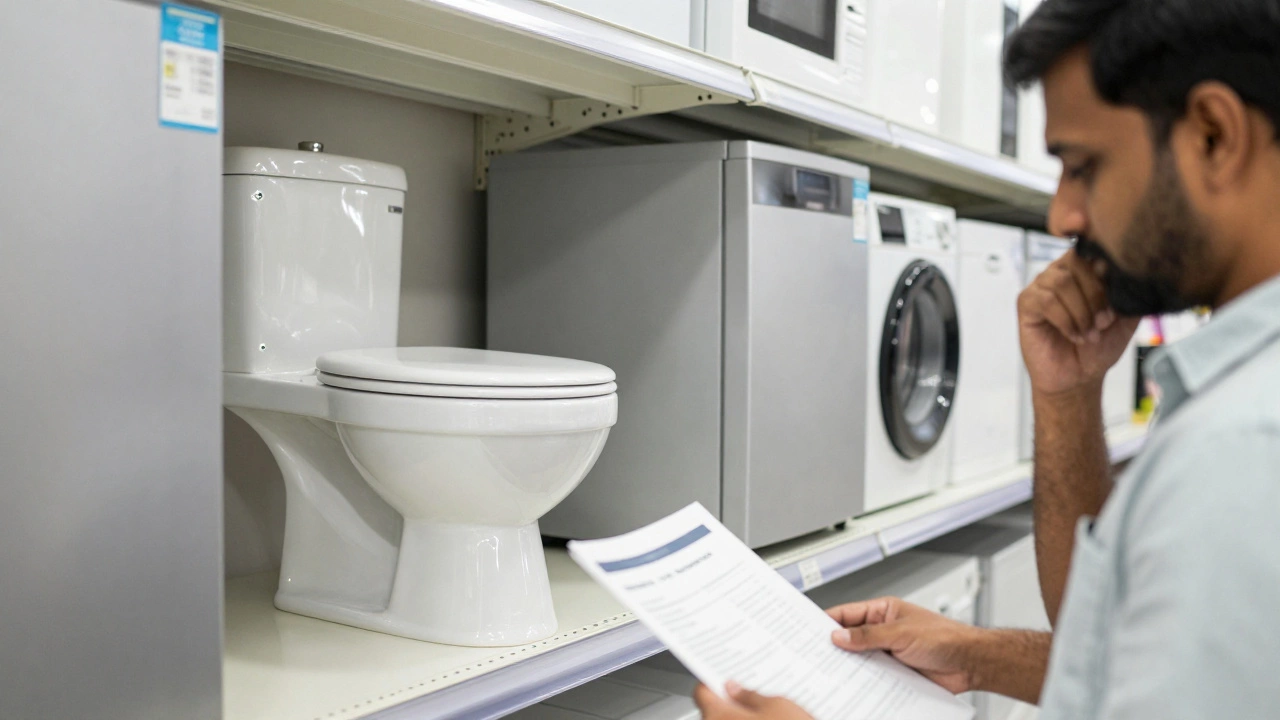
1. Broad Retail Categories: Walk into any big-box home improvement store. You’ll find toilets in the same aisle as dishwashers and refrigerators. Stores group these items under "Home Essentials" or "Bathroom & Kitchen." This visual grouping tricks our brains into thinking they belong to the same technical family.
2. Insurance Policy Language: Homeowners insurance policies often use broad language. Some policies list "appliances" as covered perils, while others specify "plumbing systems." If your policy says "appliance breakdown coverage," you might assume your toilet is included. It usually isn’t. Most standard appliance warranties cover washers, dryers, fridges, and ovens. Toilets are typically covered under general liability or property damage sections if they cause flooding, but not under mechanical breakdown plans for appliances.
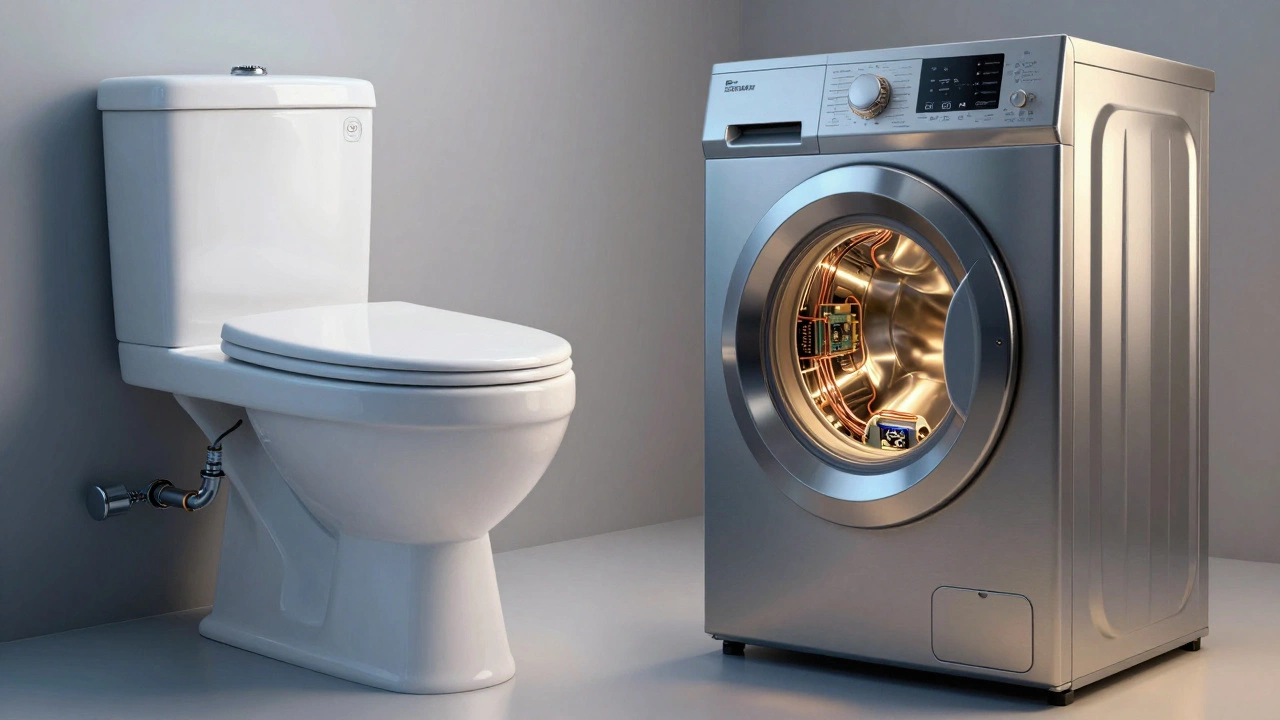
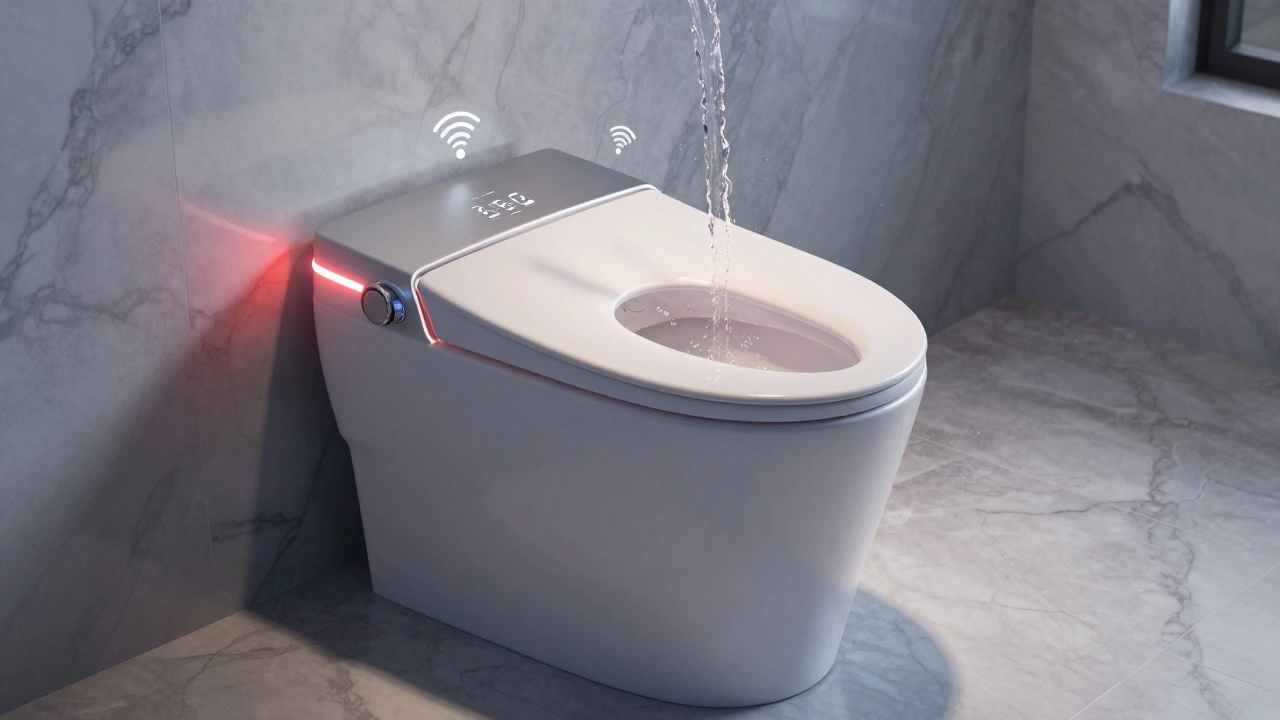
3. Modern Smart Toilets: This is the biggest reason for recent confusion. New smart toilets are high-tech bathroom fixtures that include bidet functions, heated seats, automatic lids, and self-cleaning features. These devices plug into the wall. They have circuit boards, sensors, and sometimes even Wi-Fi connectivity. If your toilet seat gets warm via electricity, is it now an appliance?
Technically, it’s still a plumbing fixture because its primary function-waste removal-relies on the sewer line. However, the electronic components require different maintenance. If the bidet heater fails, you might need an electrician or a specialized technician. If the bowl clogs, you still need a plumber. Hybrid products blur the lines, but the core classification remains rooted in plumbing.
Who Should Fix Your Toilet?
Knowing that a toilet is a fixture helps you make smarter decisions when repairs are needed. Here is a guide to identifying who to call based on the problem.
- Running Water or Constant Flush: This is almost always an internal tank issue. The flapper is worn, or the fill valve is stuck. Call a Plumber. Or, try a DIY fix since replacement parts are cheap and easy to install.
- Leak at the Base: This indicates a failed wax ring seal between the toilet and the floor flange. Water is escaping onto your subfloor. Call a Plumber. Ignoring this can rot your floorboards and lead to mold.
- Clogged Bowl: Use a plunger or a closet auger. If it persists, there may be a blockage in the main drain line. Call a Plumber.
- Electronic Bidet Not Heating: If your smart toilet’s seat won’t warm up, check the power outlet first. If the unit is dead, contact the manufacturer’s support line. Do not call a plumber for electronics.
- Loud Flushing Noise: This could be high water pressure or a failing fill valve. Call a Plumber. High pressure can damage other fixtures too.
Calling an appliance repair service for a toilet leak will likely result in them telling you they don’t service plumbing. You’ve now wasted a service fee and a trip. Conversely, a plumber might charge you for a diagnostic visit if you ask them to fix a non-plumbing issue, like a cracked porcelain seat (which is usually a replacement job, not a repair).
Cost Differences: Repairing Fixtures vs. Appliances
Understanding the classification also helps you budget. Generally, fixing a plumbing fixture is cheaper upfront but carries higher risk if ignored. Fixing an appliance is often more expensive due to part costs and labor rates.
Toilet Repair Costs: A typical toilet repair involves replacing internal parts. A flapper costs $5-$10. A fill valve assembly costs $20-$40. Labor for a plumber to replace these parts usually runs $75-$150 for a service call. If the entire toilet needs replacing, the unit itself ranges from $100 for basic models to $1,000+ for smart luxury models. Installation adds another $150-$300.
Appliance Repair Costs: An appliance technician charges a higher service call fee, often $80-$120 just to show up. Parts are more expensive. A washing machine motor can cost $200+. Total repair bills for major appliances frequently exceed $300-$500. This is why many people opt to replace old appliances rather than fix them, whereas toilets are rarely replaced unless they are damaged beyond repair or you are renovating.
Maintenance Tips for Longevity
Since toilets last longer than most appliances, proper maintenance extends their life significantly. Here is what you should do to keep your plumbing fixture running smoothly.
- Check the Seal Annually: Look around the base of the toilet. If you see moisture or discoloration on the tile or floor, the wax ring may be failing. Address this immediately to prevent structural damage.
- Avoid Chemical Cleaners: Harsh bleach tablets sitting in the tank can corrode rubber flappers and metal valves over time. Use gentle cleaners or manual brushing instead.
- Monitor Water Level: The water level in the tank should be about an inch below the overflow tube. If it’s too high, water spills into the tube, causing constant running. Adjust the float arm or screw mechanism.
- Don’t Flush Non-Flushables: Even "flushable" wipes can clog pipes. Paper towels, cotton swabs, and feminine hygiene products belong in the trash. Clogs are the #1 reason for emergency plumbing calls.
- Tighten Loose Bolts: If the toilet rocks when you sit, tighten the bolts at the base. Don’t overtighten, or you’ll crack the porcelain. A rocking toilet breaks the wax seal.
Insurance and Warranty Implications
This is where the "is it an appliance" question hits your wallet hardest. Many homeowners buy "Home Service Plans" or "Breakdown Protection" policies. These plans often explicitly exclude plumbing fixtures.
If you have a plan that covers "major appliances," read the fine print. It likely lists: Refrigerator, Range/Oven, Dishwasher, Washer, Dryer, Garbage Disposal. Notice the pattern? All electric/gas powered. Toilets, faucets, and showerheads are excluded. They fall under "plumbing maintenance," which is usually considered routine upkeep, not a catastrophic failure.
However, if a toilet leaks and causes water damage to your hardwood floors, your homeowners insurance may cover the flooring damage. But it won’t cover the cost to fix the toilet itself. That’s your responsibility as the homeowner. Understanding this boundary prevents denied claims.
The Future: Are Toilets Becoming Appliances?
As homes become smarter, the line continues to blur. Companies like TOTO and Kohler are releasing toilets with integrated air purifiers, night lights, and app-controlled settings. These units draw significant power and contain sensitive electronics.
Does this change the definition? Not yet. Industry standards still classify them as plumbing fixtures because they connect to the waste stack. However, manufacturers are creating hybrid warranty structures. The ceramic bowl and plumbing connections are covered under a plumbing warranty (often 5-10 years), while the electronic control panel is covered under an electronics warranty (often 1-3 years).
For consumers, this means you might deal with two different support teams for one device. Keep your receipts organized. Label your manuals. And remember: if it plugs in, treat the electronics like an appliance. If it connects to a pipe, treat the rest like a fixture.
Is a toilet considered an appliance for insurance purposes?
Generally, no. Most home insurance and appliance breakdown policies define appliances as electrically or gas-powered devices with motors. Toilets are classified as plumbing fixtures. Therefore, they are usually excluded from standard appliance warranties. However, water damage caused by a toilet leak may be covered under your homeowners insurance policy, though the repair of the toilet itself is typically your responsibility.
Who should I call to fix a running toilet?
You should call a licensed plumber. A running toilet is usually caused by a faulty flapper, fill valve, or float mechanism inside the tank. These are plumbing components. An appliance repair technician specializes in electronics and motors found in washers, dryers, and refrigerators, and will not service toilet internals.
Are smart toilets considered appliances?
Smart toilets are hybrid devices. While they remain classified as plumbing fixtures due to their connection to the sewer system, their electronic components (heated seats, bidet sprays, auto-flush sensors) function similarly to small appliances. For repair purposes, plumbing issues require a plumber, while electronic failures may require an electrician or manufacturer-specific support.
How long does a toilet last compared to an appliance?
Toilets generally last much longer than major appliances. A quality porcelain toilet can last 50 years or more with proper maintenance. Major appliances like refrigerators and washing machines typically have a lifespan of 10 to 15 years. This is because toilets have fewer moving parts and no complex electronics or motors to fail.
Can I repair my toilet myself?
Yes, many common toilet issues are DIY-friendly. Replacing a flapper, adjusting the water level, or unclogging a minor blockage with a plunger are tasks most homeowners can handle. However, if you suspect a leak at the base (wax ring failure) or have issues with the main water supply line, it is safer and more cost-effective to hire a professional plumber to prevent water damage.