Dishwasher Troubleshooter
What's wrong with your dishwasher?
Select your symptom to get a diagnosis and solution
Your Diagnosis
Most people think their dishwasher is a set-it-and-forget-it appliance-until it stops working. Then you’re left with a sink full of dirty dishes and a machine that won’t do its job. Dishwashers are built to last, but they’re not magic. Over time, parts wear out, food gets stuck, and water pressure changes. If your dishwasher isn’t cleaning properly, won’t drain, or is leaking all over the floor, it’s not necessarily broken beyond repair. In fact, most issues are simple, cheap, and easy to fix yourself.
Drain Issues Are the #1 Problem
If your dishwasher leaves water sitting at the bottom after a cycle, the drain is clogged. This happens more often than you’d think. People assume it’s a big repair, but 80% of the time, it’s just food debris blocking the drain pump or filter.
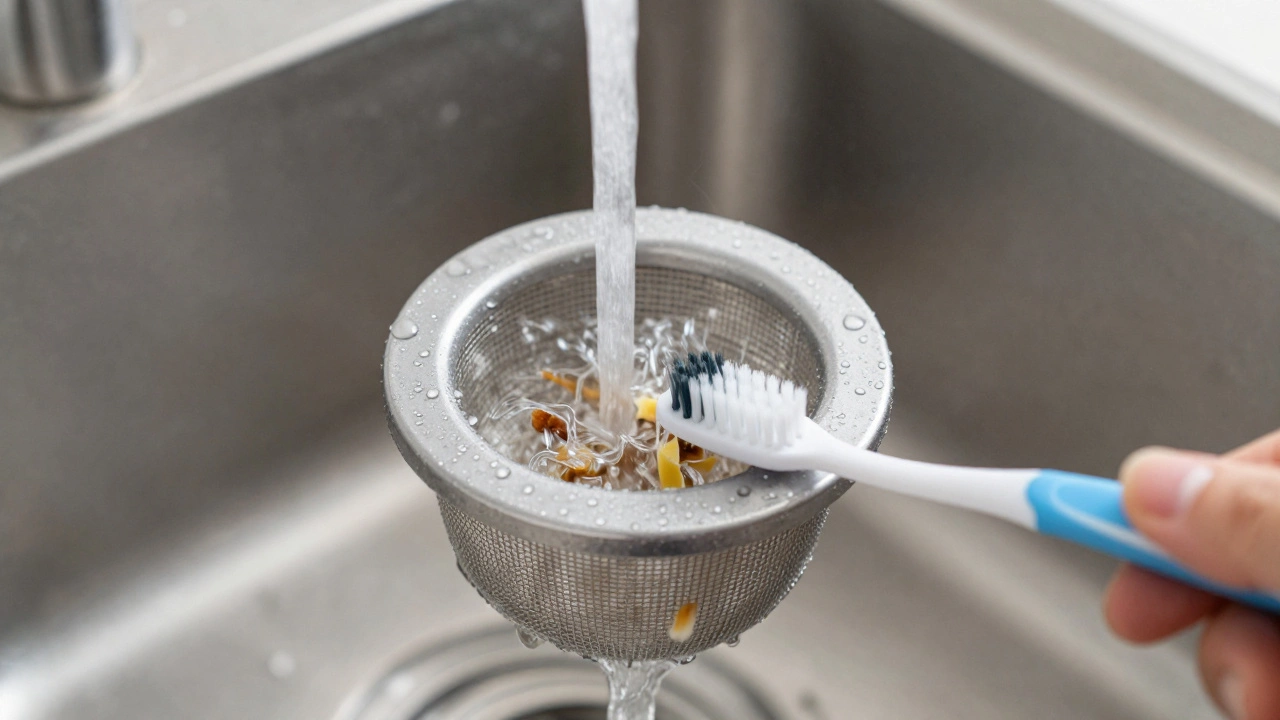
Start by pulling out the bottom rack and checking the filter at the base of the tub. It’s usually a cylindrical or mesh screen you can twist out. Take it out and rinse it under hot water. Use an old toothbrush to scrub off grease and bits of food. Many homeowners skip this step for months, thinking the dishwasher cleans itself. It doesn’t. Food particles build up, then get sucked into the pump, causing it to strain or fail.
Also check the drain hose. If it’s kinked behind the dishwasher or pinched against the cabinet, water can’t flow out. Make sure it’s connected properly to the garbage disposal or air gap. If you have a garbage disposal, run it first before starting the dishwasher-clogged disposals back up into the dishwasher fast.
Not Cleaning? It’s Probably the Spray Arms
Spots on your glasses or food stuck on plates? That’s not a detergent issue. It’s usually blocked spray arms. These rotating arms are the heart of the cleaning system. Over time, mineral deposits and food bits clog the tiny holes.
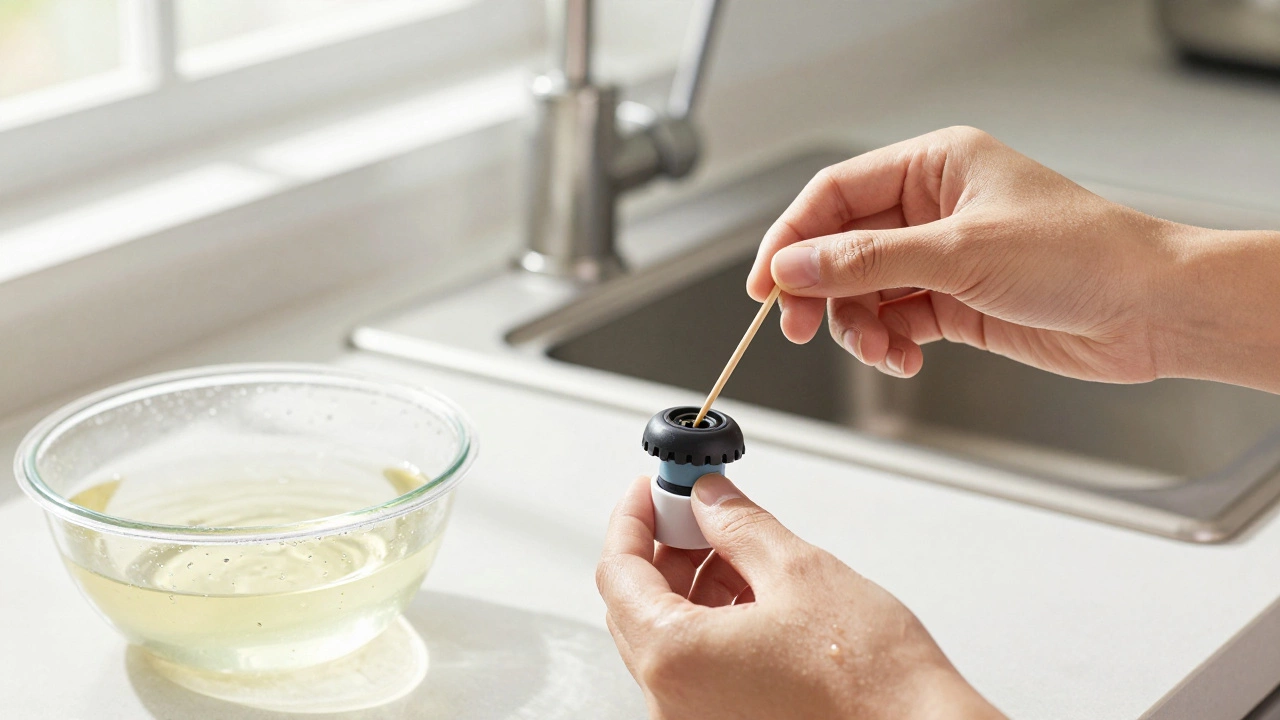
Remove the spray arms by unscrewing them from the base (some snap off). Soak them in white vinegar for 30 minutes, then use a toothpick or pin to clear each hole. Don’t use metal tools-they can scratch the plastic. If the arms don’t spin freely when you blow air through them, they’re too clogged or broken. Replacement arms cost under $25 and take 10 minutes to install.
Also check the water inlet valve. If the dishwasher isn’t getting enough water, the spray arms won’t have pressure. You’ll hear the motor running but no water splashing. A faulty valve needs replacing, but it’s a common fix. Most dishwashers use a simple solenoid valve that lasts 5-8 years.
Leaking Water? Check the Door Seal First
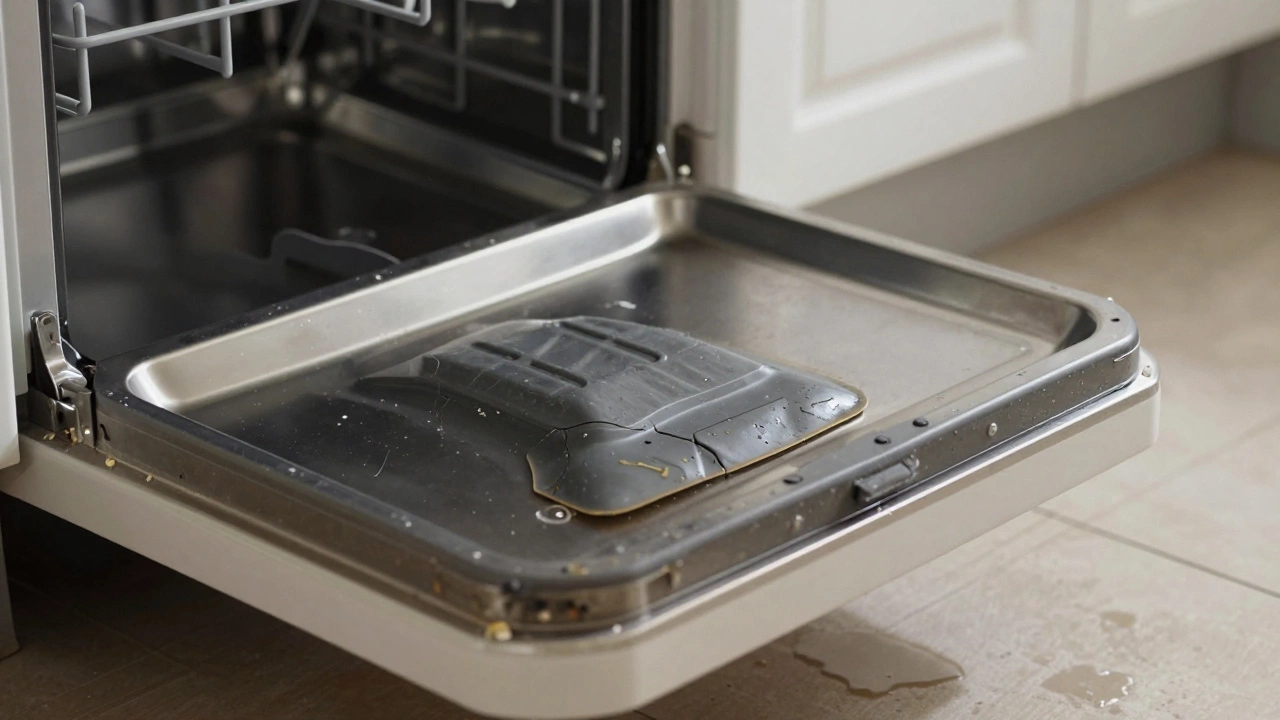
Water pooling on the kitchen floor? Before you panic, look at the rubber door gasket. It’s the flexible seal around the door. Over time, it cracks, hardens, or gets food stuck in the creases. A worn seal lets water escape during the wash cycle.
Run your finger along the seal. If it feels brittle or has deep cracks, it needs replacing. Clean it with a damp cloth and vinegar to remove grease buildup. If it’s still flexible and clean but leaking, the door might be misaligned. Try adjusting the door hinges. If the leak is coming from the bottom of the door, it could be a damaged tub or pump seal-but that’s rare. Most leaks are just the gasket.
Dishwasher Won’t Start? It’s Often the Door Switch
If the display is dead and nothing happens when you press start, the door switch is likely faulty. This little sensor tells the dishwasher the door is closed. If it’s broken or misaligned, the machine won’t run for safety reasons.
Try closing the door firmly and listening for a click. If you don’t hear it, or if the light stays on even when the door is shut, the switch is bad. You can test it with a multimeter, but most people just replace it. It’s a $15 part and takes 15 minutes to swap. Don’t assume the control board is dead-it’s expensive and rarely the culprit.
Motor or Pump Failure? Listen for Noise
A loud grinding, humming, or buzzing sound means the motor or pump is struggling. This usually happens after years of use. The motor might be burning out, or the impeller (the part that moves water) could be jammed by a piece of glass or silverware.
First, turn off the power and remove the lower rack. Look inside the pump area at the bottom. Use needle-nose pliers to pull out any debris. If it’s clear and still noisy, the motor bearings are worn. Dishwasher motors rarely fail completely-they just get louder. If the noise is new, clean first. If it’s been getting worse for months, replacement is the only fix. A new motor costs $100-$150, but labor adds up. If your dishwasher is over 10 years old, consider replacing the whole unit.
Soap Residue or Cloudy Dishes? Hard Water Is the Culprit
If your glasses look foggy or there’s white powder left on your dishes, you’re dealing with hard water. This isn’t a broken part-it’s a water quality issue. Hard water has high levels of calcium and magnesium, which interfere with detergent and leave mineral deposits.
Use a dishwasher-specific detergent with built-in water softener. Add a rinse aid every cycle-it helps water sheet off instead of leaving spots. Install a water softener if you live in a hard water area like Hamilton, where groundwater is high in minerals. If you don’t want to install one, run a monthly cleaning cycle with two cups of white vinegar on the bottom rack. It dissolves buildup and keeps the interior fresh.
Control Panel Glitch? Reset Before Replacing
If your dishwasher displays error codes like “E1,” “F2,” or just flashes, don’t assume the control board is fried. Most modern dishwashers have a reset function. Unplug it or turn off the circuit breaker for 10 minutes. Then plug it back in. This clears memory errors and resets sensors.
Some models have a dedicated reset button under the control panel. Check your manual. If the error returns after resetting, look up the code online. Most manufacturers list what each code means. For example, “E1” often means water inlet failure, not a board issue. Replacing a control board costs $200-$400. Don’t do it unless you’ve ruled out everything else.
When to Call a Pro (and When to Just Replace It)
There are times when DIY isn’t worth it. If your dishwasher is over 12 years old, and you’re spending more than half the cost of a new one on repairs, it’s time to upgrade. Modern dishwashers use 30% less water and are quieter. A new Energy Star model costs $500-$800 and lasts 10-15 years.
Call a technician if:
- You smell burning plastic or see smoke
- Water is leaking from the bottom of the unit, not the door
- The control panel is completely dead after resetting
- You’re uncomfortable working with electrical parts
Otherwise, most repairs are doable with basic tools and a little patience. Keep your filter clean, use the right detergent, and run vinegar monthly. That’s all it takes to avoid 90% of problems.
Why is my dishwasher not draining?
The most common reason is a clogged filter or drain hose. Remove the bottom filter and clean it thoroughly. Check the drain hose for kinks or blockages. If you have a garbage disposal, make sure it’s clear. A blocked drain can also mean a faulty drain pump, but that’s less common.
Why are my dishes still dirty after a cycle?
Clogged spray arms are the usual cause. Food and mineral buildup block the water jets, so water can’t reach the dishes. Remove the spray arms, soak them in vinegar, and clear each hole with a toothpick. Also check if you’re using too much detergent-it can create suds that block water flow.
Is it worth repairing a 10-year-old dishwasher?
It depends on the repair cost. If the fix is under $150 and the dishwasher still runs well otherwise, yes. But if you’re paying $200+ for a new pump or control board, it’s better to replace it. New models are quieter, more efficient, and come with better warranties.
Why does my dishwasher smell bad?
Mold and food debris build up in the filter, drain, or rubber seal. Clean the filter weekly. Run a hot cycle with a cup of white vinegar on the bottom rack. Wipe the door seal with vinegar-soaked cloth. Avoid leaving dirty dishes in the machine overnight.
Can I use regular dish soap in my dishwasher?
No. Regular dish soap creates too many suds, which can overflow and damage the pump. Always use detergent labeled for dishwashers. Pods, powder, or liquid designed for dishwashers are formulated to work with high heat and spray pressure without foaming.