Electric Stove Repair or Replace Calculator
Stove Condition Assessment
Recommendation
Most people don’t think about their electric stove until it stops working. But if you’ve been using the same one for over a decade, you might be wondering: How long should an electric stove last? The short answer? Between 13 and 15 years. That’s the average lifespan for a well-maintained electric stove under normal use. But that number can swing wildly-some fail after 8 years, others keep going past 20. What makes the difference? It’s not magic. It’s usage, care, and quality.
What Drives an Electric Stove’s Lifespan?
Not all electric stoves are built the same. A basic model from a discount retailer might use thinner heating elements, cheaper wiring, and lower-grade insulation. These parts wear out faster. A higher-end brand like Frigidaire, GE, or Whirlpool often uses heavier-gauge components and better thermal management. That means the heating coils last longer, the control panels don’t overheat, and the oven cavity stays sealed against moisture and grease buildup.
But even the best stove won’t last if you treat it like a garbage disposal. Constant high-heat cooking-like searing steaks on high for 30 minutes every day-stresses the elements. Spilled sugar, grease, or acidic foods that bake onto the burners create hot spots. Over time, those spots crack the ceramic glass or warp the metal coils. And if you never clean under the burners? Dust and grease accumulate, blocking airflow. That forces the oven to work harder, and the thermostat struggles to keep temperature steady.
Signs Your Electric Stove Is Reaching Its End
You don’t need a technician to tell you when it’s time. Look for these red flags:
- One burner won’t heat-even after replacing the element and checking the socket. This often means the control board is failing.
- The oven takes forever to preheat or never hits the right temperature. If your thermometer says 300°F but the oven’s display says 350°F, the sensor or control unit is off.
- Sparks or buzzing from the control panel or behind the knobs. That’s not normal. It’s arcing electrical contact.
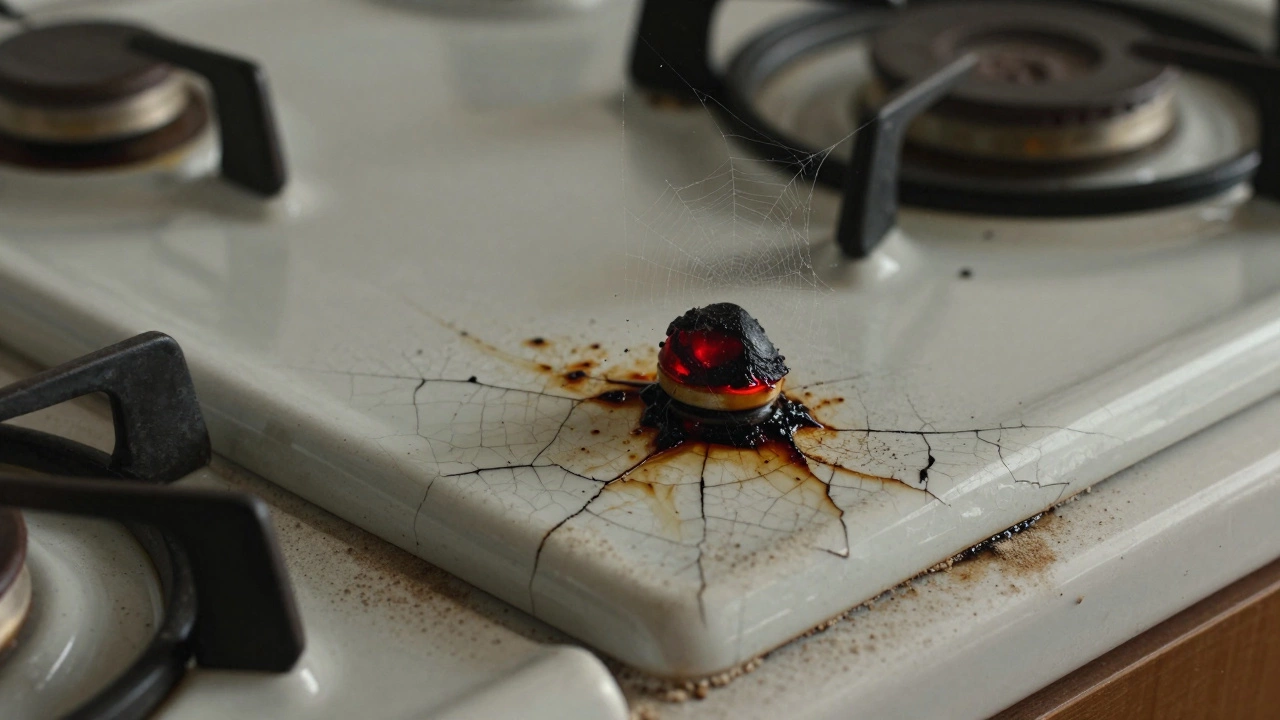
- Cracked or cloudy glass cooktop. Small cracks can trap moisture and cause electrical shorts. Cloudiness isn’t just ugly-it means the glass has degraded from heat cycles.
- Frequent error codes like E1, F3, or E0. These aren’t random. They’re the stove’s way of saying, “I’m tired.”
Any of these happening more than once? It’s not worth repairing. A new heating element costs $40-$80. Labor? Another $100-$150. That’s half the price of a new mid-range stove. And if one part’s failing, others won’t be far behind.
How to Make Your Stove Last Longer
If you want to squeeze every year out of your current stove, here’s what actually works:
- Clean spills immediately. Sugar and grease harden into insulation. Use a damp cloth and mild cleaner-never abrasive pads on glass tops.
- Don’t overload the burners. A large pot that doesn’t sit flat creates uneven heat. That stresses the coil and can warp it.
- Check the oven door seal yearly. A worn gasket lets heat escape. That makes the oven work harder. Pull it out, wipe it with vinegar, and replace it if it’s cracked or brittle.
- Keep the area under the stove clear. Dust bunnies and grease buildup near the heating elements cause overheating. Vacuum under there once every six months.
- Don’t use the self-clean function too often. It hits 900°F. That’s brutal on wiring and insulation. Use it twice a year max.
When Should You Replace It?
There’s no point in clinging to a dying stove. If yours is 12+ years old and you’re starting to see multiple issues, replacement is smarter than repair. Why? New models are 20-30% more energy efficient. A 2010 electric stove might use 2.5 kWh to bake a casserole. A 2025 model uses 1.8 kWh. That’s $40-$60 saved per year on electricity. Over five years? That’s enough to pay for a new stove.
Also, modern stoves have better safety features: automatic shut-off, child locks, and precise temperature control. If you’ve got kids, pets, or just hate babysitting a temperamental oven, upgrading isn’t a luxury-it’s peace of mind.
What’s the Cost Difference? Repair vs. Replace
| Scenario | Repair Cost | Replacement Cost | Best Choice |
|---|---|---|---|
| Stove is 8 years old, one burner out | $120-$180 | $600-$1,200 | Repair |
| Stove is 12 years old, oven doesn’t heat | $200-$300 | $600-$1,200 | Replace |
| Stove is 15+ years old, multiple issues | $300+ | $600-$1,200 | Replace |
| Stove is 10 years old, cracked glass top | $250-$400 | $600-$1,200 | Replace |
Notice something? Once your stove hits 12 years, repair costs start matching 30-50% of a new unit’s price. And with labor, parts, and waiting time, you’re spending hours and money on something that could die again in six months.
What to Look for in a New Stove
When you’re ready to upgrade, focus on these three things:
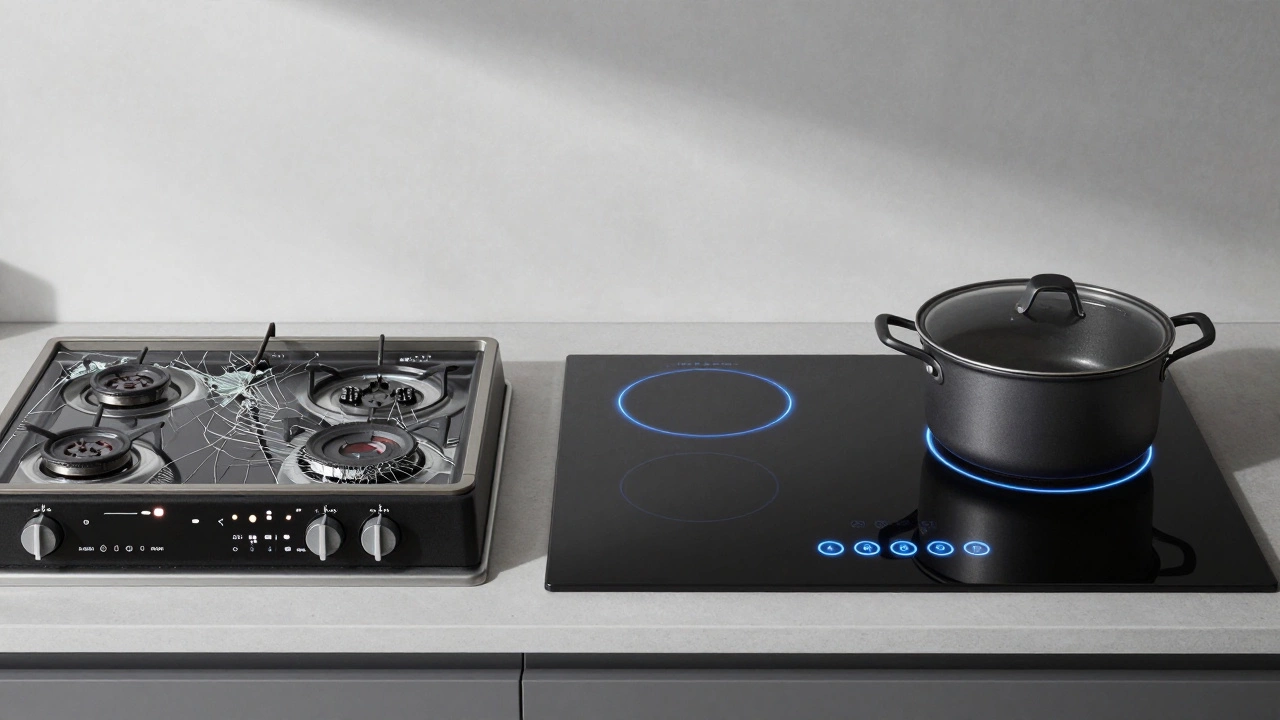
- Induction options-they heat faster, use less energy, and are safer. Not all homes are wired for induction, but if yours is, it’s worth considering.
- Self-cleaning with steam-less harsh than high-heat cycles. Easier on the oven and your lungs.
- Smart features-Wi-Fi connectivity lets you preheat from your phone. Useful if you’re running late or want to start baking before you get home.
Brands like Bosch, Samsung, and LG have models that last 18+ years with minimal issues. They’re pricier upfront, but their reliability and efficiency pay off.
What Happens to Old Stoves?
Don’t just leave yours on the curb. Most cities, including Hamilton, have appliance recycling programs. Electric stoves contain copper, steel, and sometimes hazardous insulation. Throwing them in the trash creates environmental risk. Call your municipal waste department-they’ll pick it up for free or low cost. Some retailers even take your old stove when they deliver the new one.