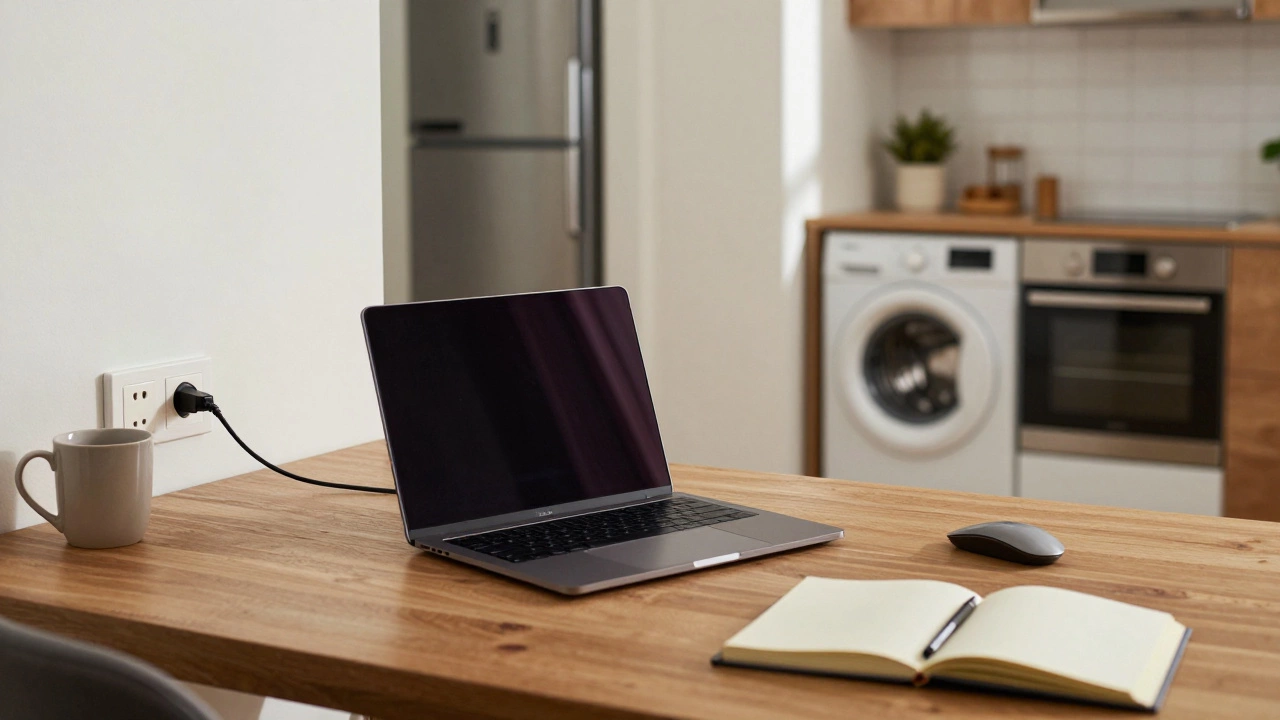
A laptop is not an appliance-it's an electronic device. Learn why the distinction matters for repairs, insurance, and lifespan, and how to handle laptop issues correctly.
Appliance Definition: What It Really Means and Why It Matters for Your Home
When we say appliance, a device designed to perform specific household tasks, often powered by electricity or gas. Also known as home appliance, it’s anything that makes daily chores easier — from boiling water to keeping food cold. It’s not just a fancy gadget. It’s the thing you rely on every morning, every night, and sometimes in the middle of the night when the power goes out. A microwave, a fridge, a water heater — these aren’t optional. They’re part of your home’s backbone.
But not everything with a plug counts as an appliance. Your phone? Not one. Your laptop? Nope. An extractor fan, a ventilation device that pulls smoke, steam, or odors out of a room, commonly found in kitchens and bathrooms? That’s an appliance. A water heater, a system that heats and stores water for showers, sinks, and laundry? Absolutely. These are built into your home’s structure. They run on dedicated circuits. They need maintenance. And when they break, your whole routine falls apart. That’s why people in Mumbai are always searching for repair services — because these machines don’t just sit there. They work, day in and day out, until they don’t.
Think about your fridge. It’s not just a box with shelves. It’s a system — compressor, thermostat, seals, coils — all working together to keep food safe. When it stops cooling, you don’t just lose ice cream. You lose trust. Same with your water heater. If it stops giving you hot water, you’re not just cold — you’re stuck. That’s why posts about appliance failures aren’t just technical guides. They’re survival tips. They tell you how to test if your extractor fan is pulling air, whether your freezer food is still safe after a power cut, or if flushing your 10-year-old water heater will actually help. These aren’t theoretical questions. They’re urgent ones.
And here’s the thing: most of these appliances last 8 to 15 years. Not 20. Not 30. And when they start acting up, it’s rarely one big thing. It’s a slow leak of performance — a fridge that runs louder, a water heater that takes longer to heat, a fan that smells funny. That’s when you need to know what you’re dealing with. Is it a broken part? A clogged vent? A wiring issue? Or just time? The posts below cover all of it. You’ll find real fixes for real problems — no jargon, no fluff. Just what works.
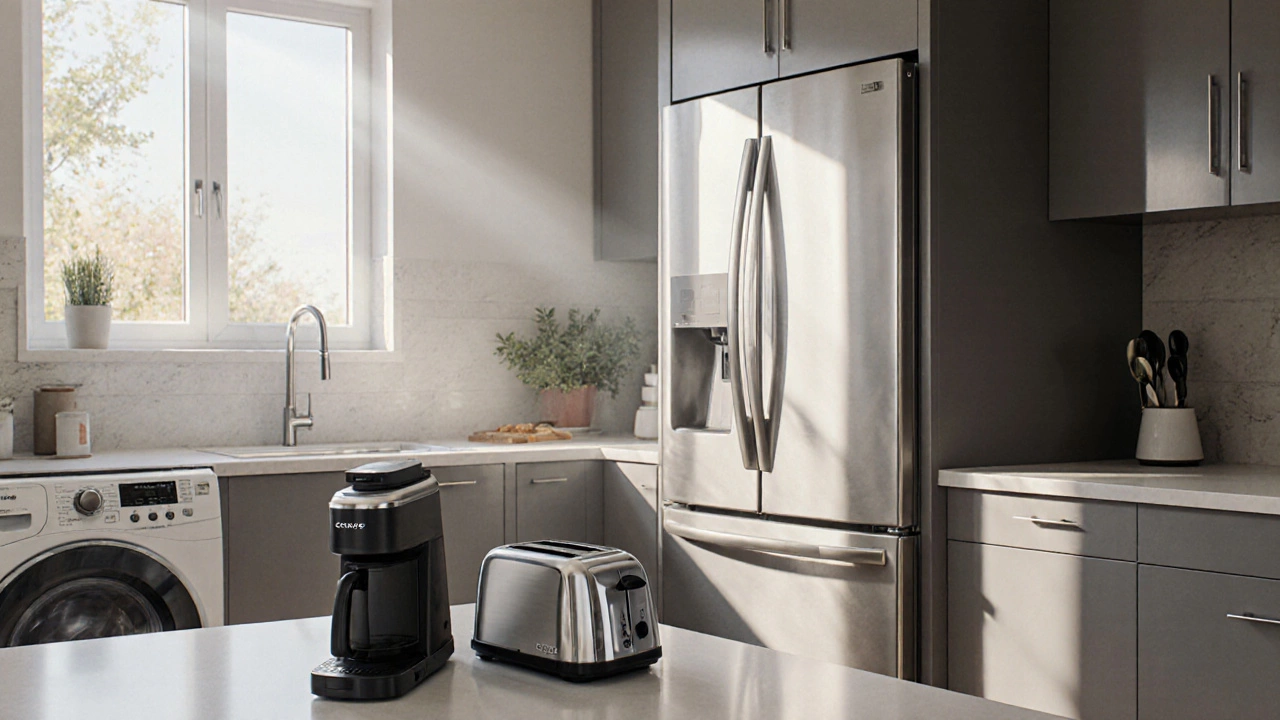
Learn what qualifies as an appliance, the difference between major and small appliances, and why it matters for repairs, insurance, and replacements. Clear, practical definitions for homeowners.