Hob Repair vs. Replace Calculator
Enter details above to see if you should repair or replace.
You stand in the kitchen, staring at that stubborn burn mark on your ceramic surface or listening to the erratic clicking of a gas burner. It’s not just annoying; it makes you wonder if your entire cooking setup is ready for the scrap heap. The truth is, nobody gives you a clear expiration date when you buy a hob (also known as a cooktop). Manufacturers might claim ten years, but real-world usage tells a different story.
The short answer? Most modern hobs last between 10 and 20 years. But that range is huge. A cheap electric model might die in five, while a high-end induction unit could outlast the house itself. To figure out where your specific appliance sits on that timeline, we need to look at the technology inside, how hard you work it, and whether a simple fix can save you hundreds of dollars.
Breaking Down Hob Lifespans by Type
Not all hobs are created equal. The materials and heating methods used define their durability. If you treat them all the same, you’ll either overpay for repairs or replace a perfectly good machine too soon.
| Hob Type | Average Lifespan | Key Failure Points |
|---|---|---|
| Gas Hob | 15-20+ years | Clogged jets, faulty igniters, corroded grates |
| Ceramic Hob | 10-15 years | Cracked glass, failed heating elements, control board issues |
| Induction Hob | 15-20+ years | Inverter boards, sensor errors, panel scratches |
| Electric Solid Plate | 8-12 years | Burned-out coils, thermostat failure |
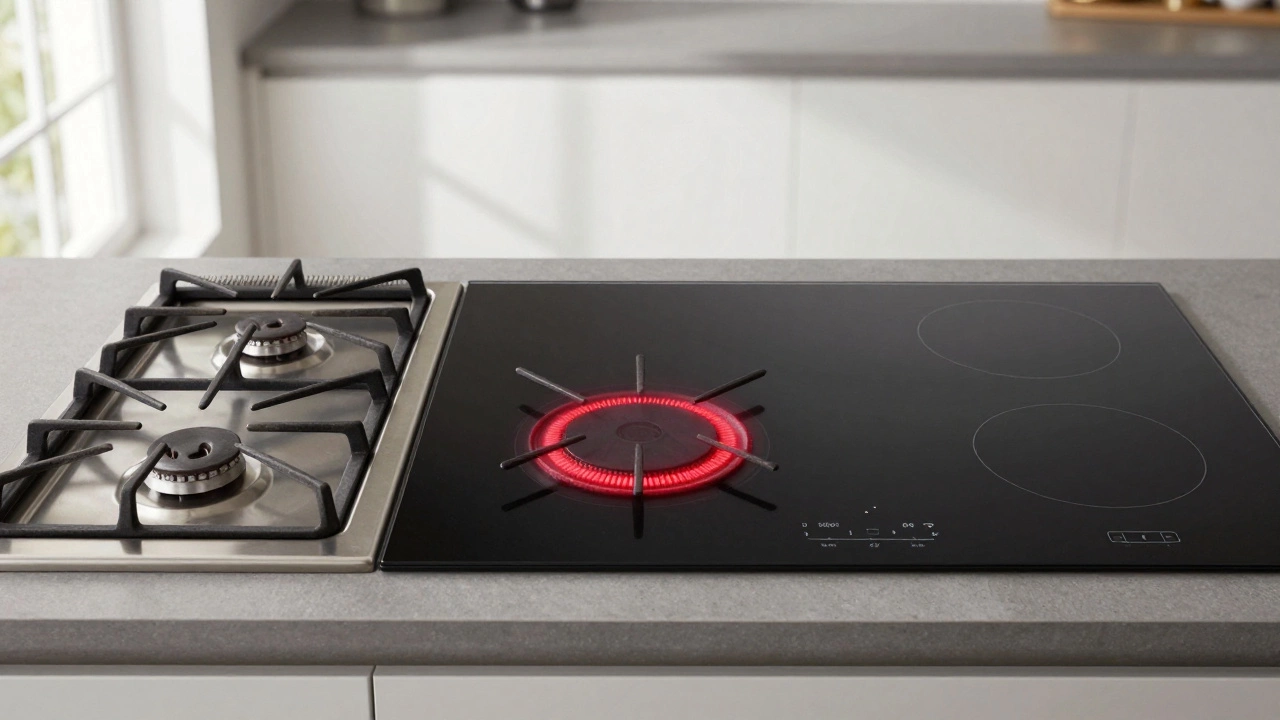
Gas hobs are the tanks of the kitchen world. Because they have fewer electronic components and rely on open flames, they often survive well past the two-decade mark. The main wear-and-tear comes from grease buildup clogging the burner jets or the spark ignition system failing due to moisture. These are usually cheap fixes. If your gas hob still lights reliably and heats evenly, there’s no reason to replace it just because it looks old.
Ceramic hobs, which use radiant heat under a smooth glass-ceramic surface, have a shorter average life. The heating elements underneath degrade over time, and the surface itself is prone to cracking if subjected to thermal shock-like placing a cold pot on a hot zone. Once the glass cracks, the unit is usually unsafe to use. However, if the surface is intact but one zone isn’t heating, the element or the connection wire might be broken, which is often repairable.
Induction hobs are the newest major player. They don’t heat the surface directly; instead, they use magnetic fields to heat the pan itself. This means less stress on the internal components regarding heat exposure. While the electronics (inverters and sensors) are complex and expensive to replace, the core technology is robust. Many induction units are built to last as long as the cabinetry they’re installed in, provided they aren’t physically damaged.
Signs Your Hob Is Near the End of Its Life
How do you know if your hob is just having a bad week or if it’s time to call it quits? Here are the red flags that suggest replacement rather than repair:
- Uneven Heating: If your food cooks faster on one side of the burner or zone, the heating element may be degrading. In gas hobs, this can also mean uneven airflow, but in electric/induction models, it’s often an internal component failure.
- Frequent Error Codes: Modern hobs display error messages when sensors detect faults. If you see codes like E01, F04, or similar recurring warnings despite resetting the unit, the control board or sensors are likely failing. Repeated board replacements are rarely cost-effective.
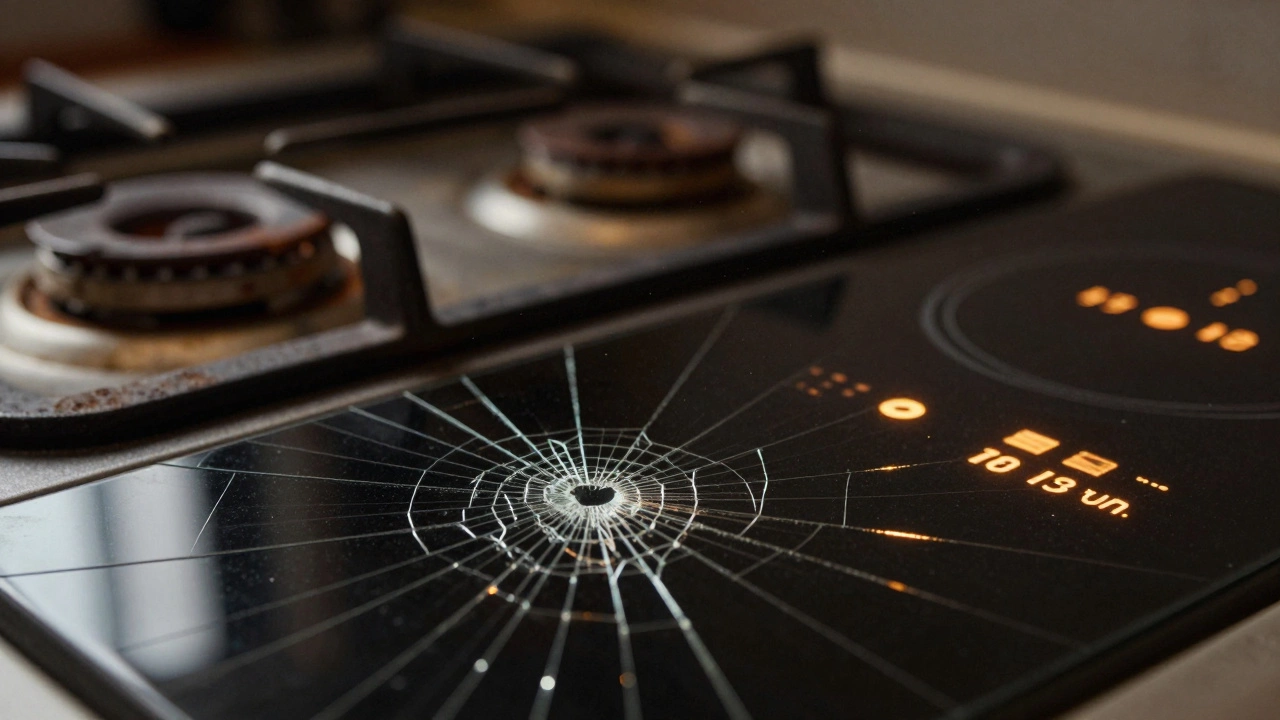
- Physical Damage: Cracks in a ceramic or induction glass surface are safety hazards. They can leak water into the electronics below, causing short circuits or electric shocks. Do not attempt to repair cracked glass; replace the unit.
- Unresponsive Controls: Touch controls that require multiple taps or knobs that feel loose and don’t register settings indicate worn-out switches or dirty contacts. While cleaning can help, persistent issues point to aging hardware.
- Strange Noises or Smells: Burning smells from electrical components or loud humming from induction units signal serious internal failures. These are not normal operating sounds and should be investigated immediately.
Repair vs. Replace: Making the Smart Choice
This is the million-dollar question. Just because something breaks doesn’t mean you need a new hob. The decision depends on age, cost, and availability of parts.
If your hob is less than 10 years old, repair is almost always the better option. Parts are readily available, and the core structure is likely sound. For example, replacing a faulty igniter on a gas hob costs a fraction of a new unit. Similarly, swapping out a single heating element on a ceramic hob is straightforward and affordable.
However, if your hob is older than 15 years, the math changes. Older models may have discontinued parts, meaning you’re waiting weeks for a component that might fail again in six months. Plus, newer hobs are significantly more energy-efficient. An old electric solid-plate hob uses far more electricity than a modern induction model. Over five years, the energy savings alone could offset the cost of a new installation.
Consider the “50% Rule”: If the repair cost exceeds 50% of the price of a comparable new hob, replace it. You’re paying for labor and parts without getting the benefit of updated technology, warranties, or efficiency.
Extending the Life of Your Hob
You can easily add several years to your hob’s lifespan with basic maintenance. Most premature failures are caused by neglect, not inherent defects.
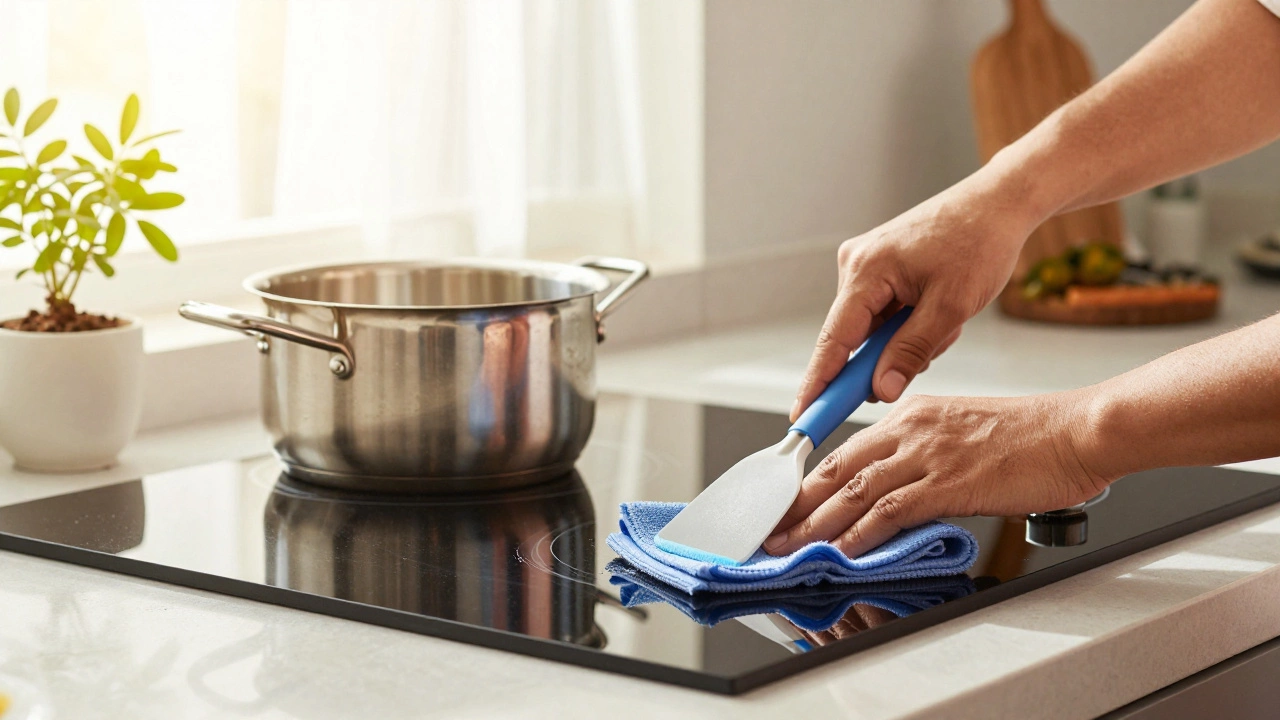
Clean Regularly, But Gently: For ceramic and induction hobs, use a dedicated scraper and cleaner. Never use abrasive pads or harsh chemicals that can scratch the surface. Scratches weaken the glass and make it more susceptible to cracking. For gas hobs, remove the grates and burners monthly to clean out grease and food debris. Clogged jets cause uneven flames and inefficient burning.
Match Pan Size to Zone: Using a small pan on a large heating zone wastes energy and stresses the element. On induction hobs, using non-magnetic pans generates error codes and overheats the internal electronics. Always use flat-bottomed, magnetic-compatible cookware for induction.
Avoid Thermal Shock: Don’t place ice-cold pots on hot zones, and avoid pouring cold water onto a hot ceramic surface. Sudden temperature changes are the number one cause of glass cracking.
Check Gas Connections: If you have a gas hob, ensure the supply line is secure and free of leaks. Annual checks by a professional can prevent dangerous situations and ensure efficient operation.
When to Call a Professional
Some issues are DIY-friendly, like cleaning burner ports or replacing a visible fuse. Others require expertise. If you smell gas, turn off the supply and evacuate-call a professional immediately. For electrical issues, especially with induction or ceramic hobs, working with live circuits is dangerous. Certified technicians have the tools to diagnose control board failures, test voltage, and safely replace components.
In Hamilton, Canada, and most regions, hiring a licensed appliance repair technician ensures compliance with local safety codes. They can also advise if a repair is worth it based on current market prices for new units.
Is it cheaper to repair or replace a broken hob?
It depends on the age and type of failure. For hobs under 10 years old, repairing minor issues like igniters or heating elements is usually much cheaper than replacement. However, if the control board or main inverter fails on an older unit, replacement is often more cost-effective due to high part and labor costs.
Can I fix a cracked ceramic hob myself?
No. Cracked glass surfaces pose a significant safety risk, including electric shock and fire hazards. There is no safe DIY repair for cracked ceramic or induction glass. The entire unit must be replaced by a professional.
No. Cracked glass surfaces pose a significant safety risk, including electric shock and fire hazards. There is no safe DIY repair for cracked ceramic or induction glass. The entire unit must be replaced by a professional.
Why does my induction hob keep showing error codes?
Error codes on induction hobs typically indicate sensor malfunctions, overheating, or incompatible cookware. Common causes include using non-magnetic pans, poor ventilation around the unit, or failing internal circuitry. Resetting the hob may temporarily clear the code, but recurring errors suggest a need for professional diagnosis.
Error codes on induction hobs typically indicate sensor malfunctions, overheating, or incompatible cookware. Common causes include using non-magnetic pans, poor ventilation around the unit, or failing internal circuitry. Resetting the hob may temporarily clear the code, but recurring errors suggest a need for professional diagnosis.
How often should I service a gas hob?
Annual servicing is recommended for gas hobs to check for gas leaks, clean burner jets, and inspect ignition systems. Regular maintenance prevents inefficient burning, reduces energy costs, and ensures safety by detecting potential hazards early.
Annual servicing is recommended for gas hobs to check for gas leaks, clean burner jets, and inspect ignition systems. Regular maintenance prevents inefficient burning, reduces energy costs, and ensures safety by detecting potential hazards early.
Do induction hobs last longer than gas hobs?
Both induction and gas hobs can last 15-20+ years with proper care. Induction units have fewer moving parts and less direct heat exposure to components, potentially offering greater longevity. However, gas hobs are mechanically simpler and easier to repair, which can extend their usable life if maintained well.
Both induction and gas hobs can last 15-20+ years with proper care. Induction units have fewer moving parts and less direct heat exposure to components, potentially offering greater longevity. However, gas hobs are mechanically simpler and easier to repair, which can extend their usable life if maintained well.