Oven Heating Element Diagnostic Tool
Diagnose your electric oven's issue by identifying which element is faulty and checking for safety hazards.
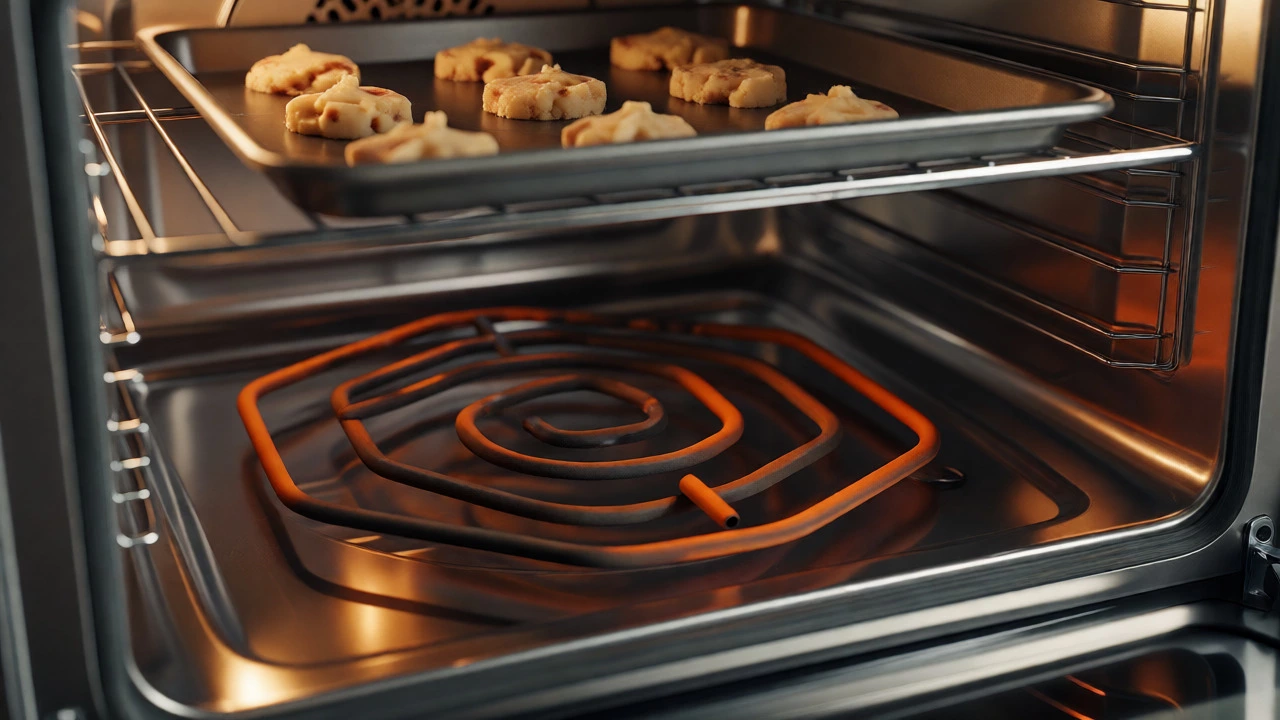
You’re mid-recipe. The cake is mixed, the cookies are shaped, and you slide that tray into the electric oven. But when you turn it on, nothing happens. No glow from the top coil. No warmth radiating from the bottom. You check the breaker-it’s fine. You check the door latch-it’s closed. So, what gives? Usually, it’s a dead heating element.
The immediate panic sets in: "Is my kitchen useless now?" The short answer is no, your oven isn’t entirely dead, but its utility has changed drastically. You can still use it, but not for the things you think you can. Whether you can bake a pizza or just store pots inside depends entirely on which element broke and how much risk you’re willing to take with electrical safety.
Understanding Your Oven’s Heat Sources
To know if you can cook, you need to know what’s actually broken. Most modern electric ovens rely on two distinct components to generate heat: the bake element and the broil element.
- The Bake Element: This is usually located at the bottom of the oven cavity. It handles standard cooking tasks like roasting chicken, baking cakes, or reheating leftovers. If this one breaks, your oven won’t reach the temperatures needed for most recipes (typically 300°F to 450°F).
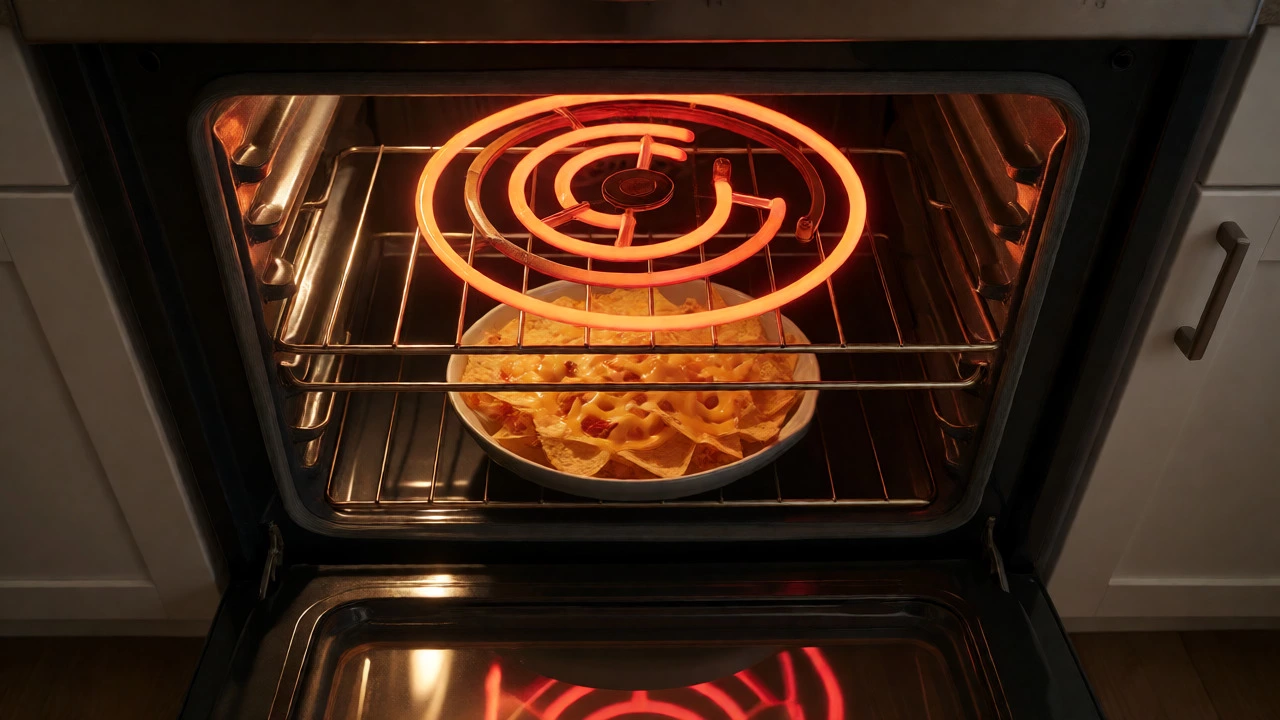
- The Broil Element: This sits at the top of the oven. It’s designed for high-heat tasks like melting cheese, browning casseroles, or crisping the skin on a turkey. It gets significantly hotter than the bake element but runs for shorter durations.
If your oven uses a convection fan, there might also be a hidden third element wrapped around the fan motor itself. When this fails, you lose even heating, though the main elements might still work.
Scenario 1: The Bottom (Bake) Element Is Broken
This is the most common failure point because the bake element cycles on and off frequently throughout a cooking session. If yours is shot, here is the reality check:
Can you bake? Technically, yes, but poorly. Without the primary heat source, the oven will struggle to maintain temperature. Even if the broiler kicks in occasionally to compensate, the heat distribution will be uneven. Your cookies will burn on top and remain raw dough in the center. Your roast will steam rather than sear.
Can you broil? Yes. Since the top element is independent, you can still use the broil setting. This means you can make nachos, toast bread, or brown the tops of gratins. Just watch them closely-broiling moves fast, and without the ambient heat of the bake element, the rest of the food might stay cold while the top scorches.
Is it safe? Generally, yes, provided the element isn’t physically shattered. A broken element often cracks due to thermal stress. If the ceramic insulators holding the coils are intact and no wires are exposed, you can run the remaining functional parts. However, avoid using the "bake" setting repeatedly if the oven takes forever to warm up, as this strains other components like the thermostat.
Scenario 2: The Top (Broil) Element Is Broken
A broken broiler is less annoying for daily cooking but hurts specific dishes. If your top coil doesn’t glow red when set to "Broil," you’ve lost your ability to finish dishes with that signature golden-brown crust.
Can you bake? Absolutely. Standard baking relies almost exclusively on the bottom element. Cakes, muffins, roasted vegetables, and lasagnas will cook perfectly fine. In fact, many people prefer baking without the broiler active anyway, as it prevents accidental burning during long cooks.
What do you lose? You lose versatility. You can’t melt cheese quickly. You can’t crisp up frozen fries effectively. You’ll need to rely on a stovetop skillet or a toaster oven for those quick, high-heat jobs.
Safety Note: Like the bake element, check for physical damage. Sometimes broil elements sag over time. If it’s touching the oven rack or the ceiling of the oven, it could arc (spark). Unplug the oven or turn off the breaker before inspecting it.
When Should You Stop Using It Entirely?
Just because an element is "broken" doesn’t mean it’s dangerous. However, there are clear red flags where you should stop using the oven until a professional fixes it. Ignoring these signs can lead to electrical shorts or fire hazards.
| Condition | Safe to Use? | Action Required |
|---|---|---|
| Element is intact but doesn't glow | Yes (limited functions) | Replace element soon; use alternative cooking methods. |
| Element has visible cracks in coils | Risky | Stop using the affected mode immediately. Replace ASAP. |
| Sparks or arcing observed | No | Cut power. Do not use. Call a technician. |
| Burning smell persists after cleaning | No | Check for insulation damage. Inspect wiring. |
| Oven trips the circuit breaker | No | Short circuit likely. Professional repair needed. |
The biggest danger isn’t the lack of heat-it’s electrical instability. If you see sparks jumping between the element and the oven wall, or if the breaker trips every time you try to preheat, stop. That indicates a ground fault. Continuing to use it could damage your home’s wiring or start a fire behind the oven panel.
Workarounds: How to Cook Without Full Oven Power
If you’re waiting for a part or a technician, don’t let your meal plan collapse. Here are practical ways to adapt your cooking strategy based on which element failed.
If the Bake Element Failed:
- Use the Stovetop: Many oven recipes have stovetop equivalents. Roast potatoes in a covered pot on medium-low heat. Make "skillet cakes" instead of baked ones.
- Slow Cooker or Instant Pot: These appliances provide consistent low heat, perfect for braising meats or making soups that would normally go in the oven.
- Toasters and Air Fryers: For small batches of baking (like six muffins), a countertop convection toaster oven works surprisingly well.
If the Broil Element Failed:
- Stovetop Searing: Use a cast-iron pan to get a crust on steaks or chicken breasts before finishing them in the working bake oven.
- Torch Finish: A kitchen torch can melt cheese or caramelize sugar on desserts, mimicking the broiler’s effect for smaller portions.
- Lower Rack Baking: Move your racks closer to the functioning bottom element to maximize heat exposure, though this risks burning the bottoms of delicate items.
DIY Diagnosis vs. Professional Repair
Replacing a heating element is one of the few appliance repairs homeowners can confidently tackle themselves. It’s rarely a complex job. However, misdiagnosis is common. Before you buy a replacement part, verify the issue.
The Visual Test: Turn the oven on and look at the element. Does it glow orange-red? If one side glows and the other doesn’t, the element is likely burned out internally. If neither side glows, the problem could be the element, the switch, or the thermostat.
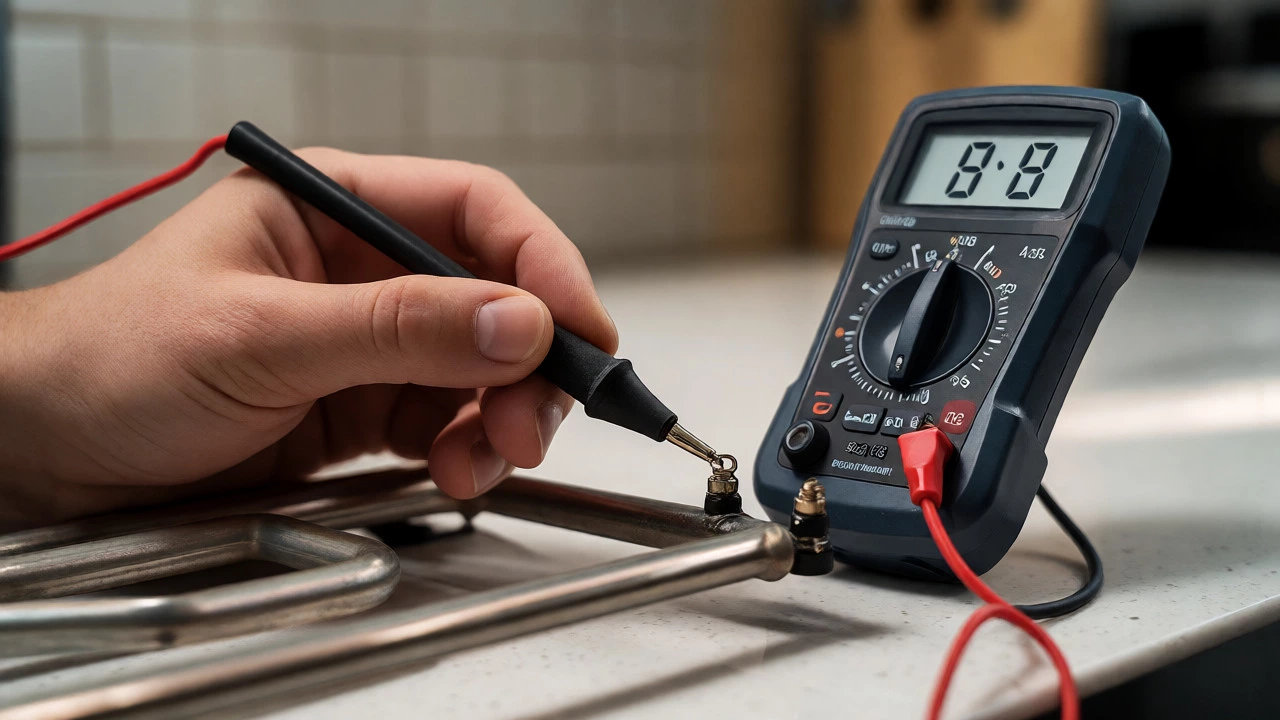
The Multimeter Test: This is the gold standard. Unplug the oven. Remove the element screws. Pull it out slightly to access the terminals. Set your multimeter to continuity or resistance (Ohms). Touch the probes to the terminals. A good element typically reads between 10 and 50 Ohms (depending on wattage). If it reads "OL" (Open Loop) or infinity, the circuit is broken, and the element needs replacing.
Cost Considerations: A replacement heating element costs between $20 and $60 CAD depending on the brand (Whirlpool, GE, Bosch, etc.). Labor for a technician in Hamilton ranges from $80 to $150 plus service fees. If you’re handy, DIY saves significant money. If you’re unsure about handling live voltage or removing panels, call a pro.
Frequently Asked Questions
How long does a heating element last?
On average, an electric oven heating element lasts between 5 and 10 years. Factors like frequency of use, self-cleaning cycles (which expose elements to extreme heat), and manufacturing quality affect lifespan. Older ovens are more prone to element failure due to metal fatigue.
Can I replace the heating element myself?
Yes, for most standard electric ovens. You typically need a screwdriver and a multimeter. Always disconnect power at the breaker before starting. The process involves removing the back panel or unscrewing the element from the interior walls, disconnecting two wire leads, swapping the old element for the new one, and reconnecting everything. Ensure the model number matches exactly.
Why did my heating element break?
Common causes include thermal shock (spraying water on a hot element), wear and tear from repeated expansion and contraction, faulty relays causing the element to stay on too long, or physical damage from heavy pots resting on the coils. Poor ventilation around the oven can also cause overheating.
Does a broken element affect gas ovens?
Gas ovens primarily use a burner for heat, but they often have an electric igniter and sometimes a broil element. If your gas oven has a broil element and it breaks, you lose broiling capability but retain baking. If the igniter fails, the oven won’t light at all. Check your specific model’s manual.
Is it cheaper to repair or replace the oven?
Repairing a heating element is almost always cheaper than buying a new oven. Parts cost under $100, whereas a new basic electric range starts around $600-$800 CAD. Unless the oven is very old (15+ years) and has multiple failing components (control board, door seals, insulation), repair is the financially smarter choice.