Gas Appliance Troubleshooter
Step 1: Immediate Safety Check
CriticalBefore doing anything else, assess your environment.
Imagine coming home to a cold house, a kitchen with no heat for cooking, and a water heater that won’t produce hot water. It’s a frustrating scenario that leaves you shivering and scrambling for solutions. When none of your gas appliances are working simultaneously, it is rarely a coincidence that every single unit failed at the exact same moment. Instead, this points to a systemic issue affecting the entire gas supply or distribution network within your home.
This situation can be alarming, but panic is your worst enemy here. Gas issues range from simple user errors to serious safety hazards. Understanding where the problem lies helps you decide whether you can fix it yourself or if you need to call a professional immediately. Let’s walk through the logical steps to diagnose why your gas service has gone dark.
The First Rule: Safety Before Curiosity
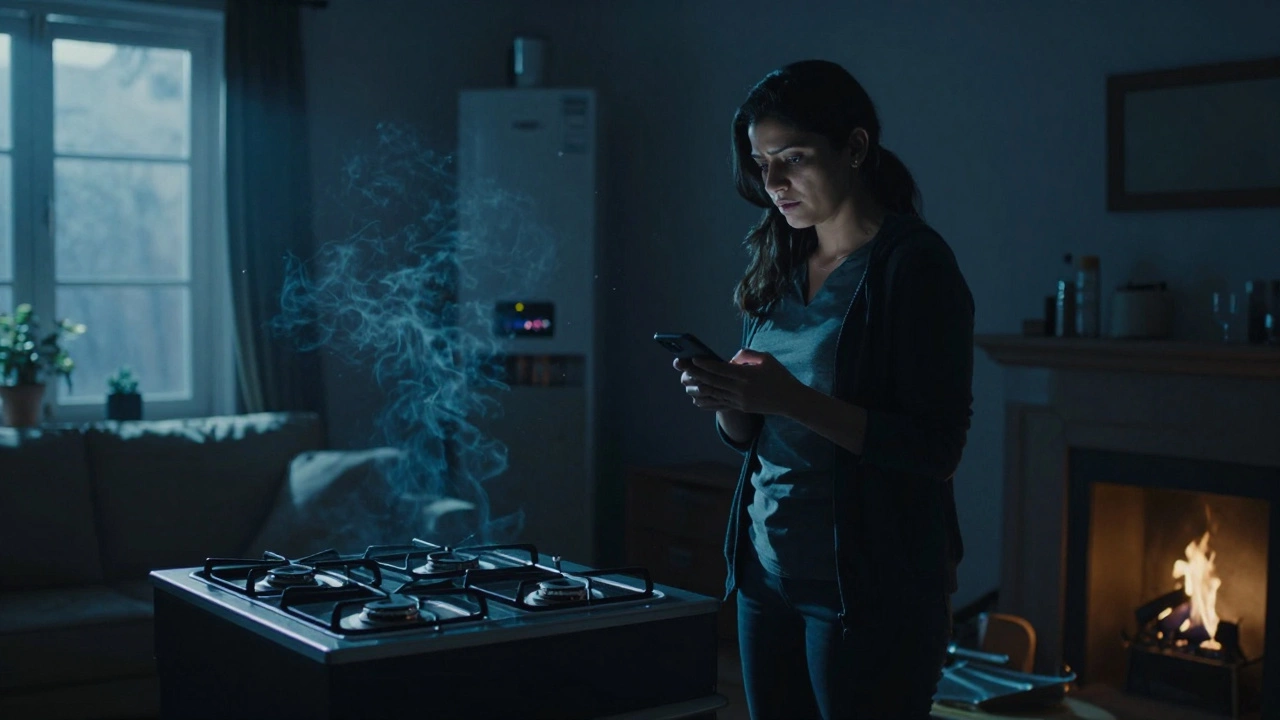
Before you start unscrewing panels or checking valves, you need to assess the immediate environment. The most critical question is: Do you smell gas?
If you detect the distinct rotten egg odor (mercaptan) added to natural gas or propane for safety, stop everything. Do not turn lights on or off. Do not use phones inside the house. Do not create any sparks. Evacuate your home immediately and call your gas provider or emergency services from a safe distance outside. A total loss of appliance function combined with a gas smell suggests a leak that triggered an automatic shut-off or a dangerous accumulation of gas.
If there is no smell, you can proceed with caution. However, never ignore other warning signs like soot around appliances, yellow flames instead of blue, or unusual noises. These indicate combustion problems that require professional attention even if the appliances are currently running.
Checking the Obvious: The Main Gas Supply Valve
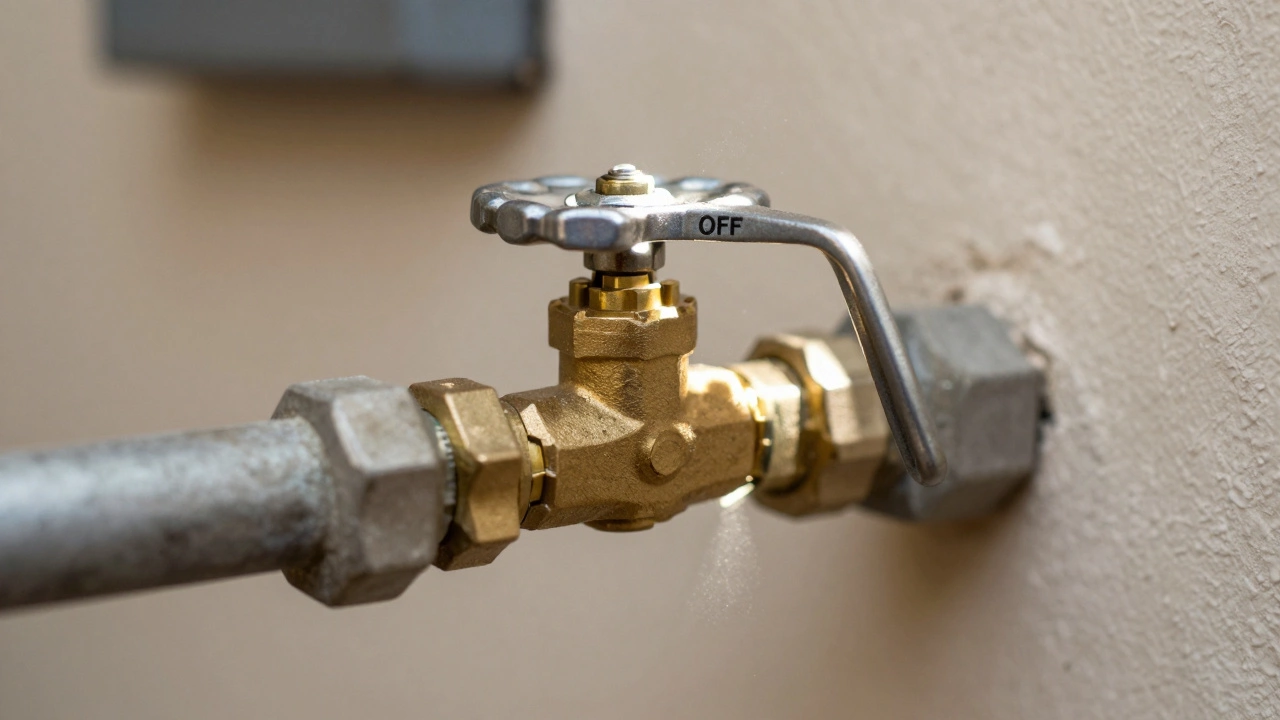
It sounds simple, but human error is surprisingly common. The main gas supply valve controls the flow of gas into your entire home. This valve is usually located near your gas meter, which is typically found on the exterior wall of your house or in a basement utility closet.
Look for a lever or handle on the pipe leading into the meter. Here is how to read its position:
- Parallel to the pipe: The gas is flowing (ON).
- Perpendicular to the pipe: The gas is blocked (OFF).
Sometimes, a stray pet, a cleaning robot, or even a careless movement while gardening can bump this valve. If the handle is perpendicular, turn it slowly until it aligns with the pipe. Once you restore the flow, you will likely need to relight the pilot lights on your older appliances or reset the ignition on newer ones. Give it a few minutes for the pressure to stabilize before testing your stove or furnace.
The Gas Meter: Is Service Actually Active?
If the main valve is open, the next point of failure is the gas meter itself. Modern gas meters often have small dials or digital displays. On older mechanical meters, look for a small dial with a red mark. If the red mark is moving, gas is flowing through the meter. If it is stationary while you try to light a burner, gas is not reaching your home.
There are a few reasons why the meter might show no flow despite the valve being open:
- Utility Outage: Your local gas company may be performing maintenance or experiencing a regional outage. Check their website or social media channels for alerts.
- Past Due Shut-Off: If your bill was unpaid, the utility company may have remotely shut off your service. Many modern meters allow remote disconnection without sending a technician.
- Meter Malfunction: Rarely, the internal mechanism of the meter can fail, blocking flow even if the supply is active.
If you suspect a utility issue, call your gas provider directly. They can check the status of your account and confirm if gas is being delivered to your meter.
Automatic Safety Shut-Offs and Pressure Regulators
Newer homes and updated systems often include additional safety devices that can cut off gas automatically. One common component is the pressure regulator. This device ensures that gas enters your home at a consistent, safe pressure. If the regulator detects a pressure spike or drop, it may lock out to prevent damage or explosion risks.
Another possibility is an automatic shut-off valve installed by your insurance company or as part of a smart home system. Some high-end thermostats or security systems can trigger a gas shut-off if they detect carbon monoxide or excessive heat. Check your smart home app or security panel logs to see if an alert was triggered recently.
If you have a whole-house generator or backup power system, ensure that it isn’t interfering with your gas lines. While rare, cross-connections or improper installations can cause back-pressure issues that trip safety valves.
Relighting Pilot Lights and Resetting Ignition Systems
Once you confirm that gas is flowing into your home, you need to restart each appliance. Older furnaces, water heaters, and ovens use standing pilot lights. These small flames stay lit continuously to ignite the main burner when needed. If the gas supply was interrupted, these pilots go out.
To relight a pilot light:
- Turn the control knob to the "OFF" position and wait five minutes to let any residual gas dissipate.
- Turn the knob to "PILOT" and press down firmly. Hold a long-reach lighter or match near the pilot tube.
- While holding the knob down, ignite the flame. Keep holding the knob for 30-60 seconds after the pilot lights to allow the thermocouple to heat up.
- Release the knob. If the pilot stays lit, turn the knob to "ON." If it goes out, repeat the process. If it fails repeatedly, the thermocouple may be faulty.
Newer appliances use electronic ignition systems. These do not have pilot lights. Instead, they spark when you turn the dial. If these aren’t working, check the power source. Electronic ignitions require electricity. If you recently had a power outage, your appliances might just need to be plugged back in or have their circuit breakers reset. Check your electrical panel for any tripped breakers labeled "HVAC," "Water Heater," or "Kitchen."
When to Call a Professional
Gas work is not a DIY project for everyone. You should call a licensed gas fitter or HVAC technician if:
- You smell gas at any point during troubleshooting.
- The pilot light will not stay lit after multiple attempts.
- You hear hissing sounds from pipes or appliances.
- Your appliances are new and still under warranty (DIY repairs can void warranties).
- You are unsure about the location or operation of your gas valves.
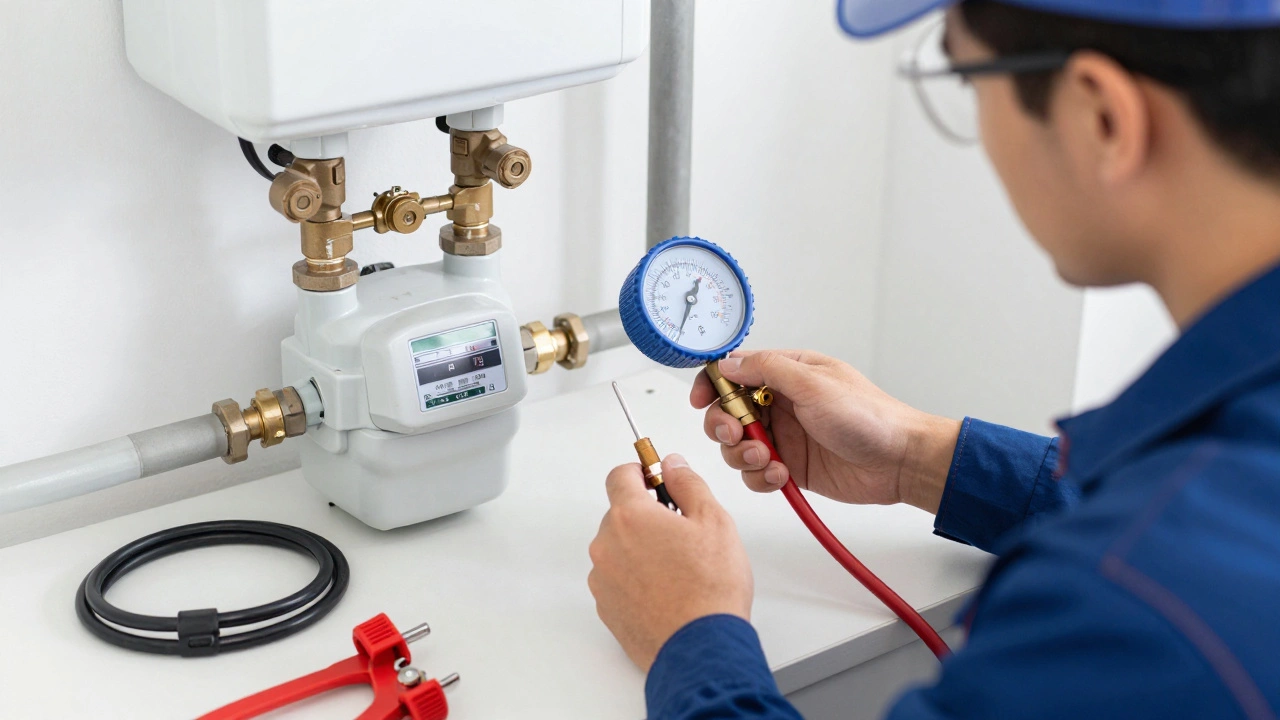
Professionals have the tools to test gas pressure, inspect lines for leaks using soap solution or electronic detectors, and repair or replace faulty components like thermocouples, regulators, or control boards. They also ensure that your repairs comply with local building codes and safety standards.
How long does it take for gas to flow after turning the main valve on?
It usually takes a few minutes for gas pressure to stabilize throughout your home's piping system. After turning the main valve on, wait at least 5-10 minutes before attempting to relight pilot lights or ignite burners. This allows air to clear from the lines and ensures a steady flow.
Can a tripped circuit breaker affect my gas appliances?
Yes, if your appliances use electronic ignition. While the gas itself doesn't run on electricity, the spark igniters, control boards, and safety sensors do. If the power to these units is cut, they won't fire up even if gas is present. Always check your electrical panel first.
What should I do if my gas bill says I owe money but I didn't get a notice?
Contact your gas provider immediately. They can verify if a shut-off was initiated due to non-payment. In many cases, paying the outstanding balance online or over the phone can restore service remotely within hours, avoiding the need for a technician visit.
Is it safe to use candles or matches to check for gas leaks?
Absolutely not. Never use open flames to check for gas leaks. If you suspect a leak, use a soapy water solution applied to pipes and joints. Bubbles forming indicate a leak. Alternatively, rely on your nose for the rotten egg smell or use a dedicated gas leak detector kit.
Why would only some of my gas appliances work?
If only some appliances are affected, the issue is likely localized to those specific units rather than the main supply. Check individual appliance valves, pilot lights, and electrical connections for those devices. A partial blockage or low pressure might also affect appliances further from the meter more than those closer.