Oven Problem Diagnostic Tool
Troubleshooting Assistant
What is the main symptom?
Diagnosis Complete
Likely Cause:
Recommended Action:
Safety Note:
There is nothing worse than prepping a holiday dinner or a weeknight meal, only to open the oven and find it sitting at room temperature. Or worse, you hear a strange clicking sound that never stops. When your cooking appliance fails, it disrupts your routine and wastes food. But before you call for expensive professional repair, it helps to know what usually goes wrong. Most issues are common, predictable, and often easy to fix with a little knowledge.
The most frequent complaint homeowners have is simply that the oven does not heat up. However, "not heating" is a symptom, not a diagnosis. The actual culprit varies depending on whether you own a gas or electric model. Understanding these mechanical failures can save you time and money. Let’s break down the specific components that fail most often and how to identify them.
The Electric Oven: Why It Won’t Get Hot
If you have an electric range, the heating process relies entirely on electricity flowing through resistance coils. If those coils don’t glow red hot, your food stays cold. There are three main suspects here, ranked by frequency of failure.
1. The Heating Element
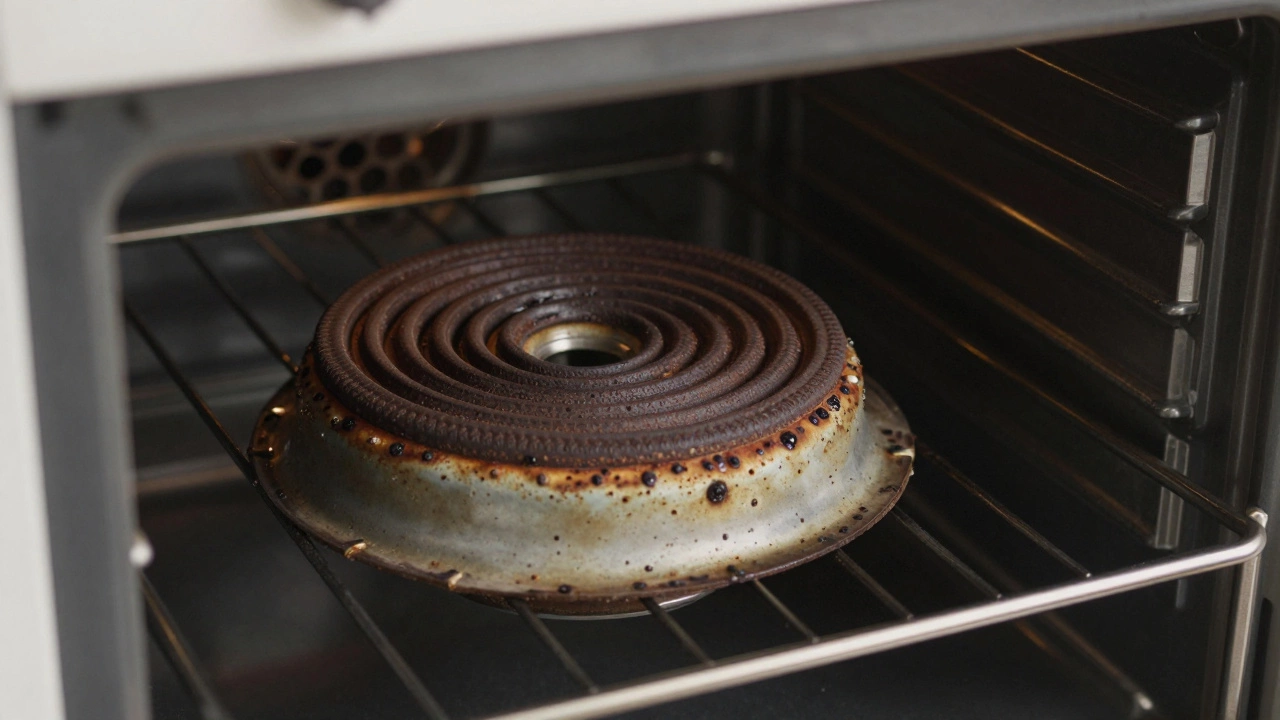
This is the metal tube, usually located at the bottom of the oven cavity, that glows when active. Over time, the insulation inside the element breaks down. You might see visible blisters, holes, or black spots on the coil. If the element looks damaged, it needs replacement. Even if it looks fine, it could have an internal break. You can test this with a multimeter for continuity. If there is no continuity, the circuit is open, and the element is dead. This is a very common oven repair task because the part is inexpensive and usually held in place by just four screws.
2. The Bake vs. Broil Confusion
Sometimes the problem isn't broken hardware but user error. Many modern ovens have separate elements for baking (bottom) and broiling (top). If you set the oven to "Bake" but the top element is glowing while the bottom is dark, you have a control board issue or a stuck relay. Conversely, if the bottom element works but the top doesn't during broiling, the top element itself might be faulty. Always verify which mode you are using.
3. The Thermal Fuse
Think of the thermal fuse as a safety guard. If the oven gets too hot due to a malfunctioning thermostat, the fuse blows to cut power and prevent a fire. Unlike a standard household fuse, a thermal fuse cannot be reset. If your oven has power (lights work, display lights up) but won't heat, check the thermal fuse. It is often located behind the back panel of the oven. If it shows no continuity, replace it immediately. Do not bypass it.
The Gas Oven: The Clicking Mystery
Gas ovens operate differently. They use a spark to ignite natural gas or propane. If your gas oven is making a rapid clicking noise but no flame appears, you are dealing with an ignition failure. This is distinct from electric models where silence usually accompanies failure.
1. The Glow Bar Igniter
In many gas ranges, especially slide-in models, there is no audible click. Instead, there is a ceramic rod called a glow bar igniter located under the oven floor. When you turn the oven on, this bar should glow bright orange. After about 90 seconds, once it reaches a specific amperage, it signals the gas valve to open. If the igniter is weak, it will glow but not draw enough current to open the valve. The result? Gas smells, but no flame. This is perhaps the single most common gas oven problem. The igniter degrades over time, much like a lightbulb filament. Replacing the igniter is straightforward and requires basic tools.
2. The Spark Electrode
In freestanding gas ranges, you will hear a click. If you hear clicking but no flame, check the electrode. It might be dirty, misaligned, or cracked. Clean it with a soft brush. If the spark is weak or erratic, the electrode assembly may need replacement. Also, ensure the burner ports are not clogged with grease or food debris, which can block the flame path even if the spark is present.
3. The Gas Supply Valve
It sounds obvious, but check the pilot light or the main gas valve. If other gas appliances in your home are working, the supply is likely fine. However, if the solenoid valve inside the oven fails to open, gas never reaches the burner. This is a more complex repair involving gas lines and should generally be left to certified technicians due to safety risks.
Temperature Inaccuracies: The Hidden Culprit
Your oven heats up, but your cookies burn in half the time, or your roast remains raw after hours. This points to a thermostat calibration issue. The oven thermostat tells the control board when to turn the heat off. If it is out of sync, the oven runs too hot or too cool.
Most modern digital ovens allow you to recalibrate the temperature offset via the control panel menu. For example, if your oven reads 350°F but actually hits 400°F, you can adjust the setting down by 50 degrees. Consult your user manual for the specific code sequence. If you have an analog dial oven, the thermostat sensor itself might be faulty. These sensors are thermistors that change resistance based on heat. If the reading is way off, replacing the sensor is a cheap fix compared to buying a new appliance.
| Symptom | Likely Cause | Difficulty Level | Action |
|---|---|---|---|
| Oven won't heat (Electric) | Burnt-out heating element | Easy | Replace element |
| Oven clicks but no flame (Gas) | Weak glow bar igniter | Moderate | Test amp draw; replace if low |
| Food burns quickly | Calibration error | Easy | Recalibrate via menu |
| Lights work, no heat | Blown thermal fuse | Moderate | Check continuity; replace fuse |
| Display is blank | Power surge or tripped breaker | Easy | Reset breaker; check outlet |
Electrical Issues and Control Boards
Sometimes the heart of the problem is the brain. The control board manages all signals between the user interface and the physical components. If the board fails, you might experience erratic behavior: the oven turns on by itself, displays error codes, or ignores button presses.
Error codes are your friend here. Look up the specific code in your manual. Codes like F9, E0, or H1 often point to communication errors between the board and the temperature sensor. Before replacing the expensive control board, always test the cheaper components first-specifically the temperature sensor and the wiring harnesses. Loose wires are a surprisingly common cause of "phantom" board failures.
If you live in an area with frequent power fluctuations, like parts of Hamilton during winter storms, surges can fry the control board. Using a surge protector for your kitchen circuits can mitigate this risk. If the board is indeed fried, replacement involves disconnecting power, removing the back panel, swapping the board, and reconnecting the ribbon cables. It is doable for a handy homeowner, but precision is key.
When to Call a Professional
While many oven repairs are DIY-friendly, some situations demand a pro. If you smell gas continuously, shut off the main gas supply and leave the house. Call your utility company or a licensed technician. Never try to diagnose gas leaks yourself.
Also, consider professional help if:
- The problem persists after replacing common parts like elements or igniters.
- You are uncomfortable working with high-voltage electricity (240V).
- The oven is still under warranty. DIY repairs often void warranties.
- You notice scorch marks inside the oven cavity near the wiring, indicating a past electrical fire hazard.
In Hamilton and surrounding areas, local appliance repair services are readily available. They carry OEM (Original Equipment Manufacturer) parts, ensuring compatibility. While DIY saves labor costs, buying the wrong part can lead to repeated failures. If you choose to DIY, buy parts from reputable suppliers that offer returns.
Maintenance Tips to Prevent Future Failures
Prevention is cheaper than cure. Regular maintenance extends the life of your oven significantly.
- Clean the Door Gasket: The rubber seal around the door keeps heat in. If it’s torn or dirty, heat escapes, forcing the oven to work harder. Wipe it down monthly with warm soapy water.
- Don’t Use Harsh Cleaners on Elements: Avoid spraying degreasers directly on heating elements. Chemicals can degrade the coating and shorten their lifespan.
- Ventilate Properly: Ensure the air vents at the bottom or back of the oven are not blocked by cabinets or clutter. Overheating damages electronic components.
- Self-Clean Cycle Caution: Use the self-clean feature sparingly. The extreme heat (up to 900°F) stresses the igniter, thermostat, and door seals. Manual cleaning with baking soda and vinegar is gentler and effective.
By understanding these common problems, you empower yourself to handle minor glitches and make informed decisions about major repairs. Your oven is a complex machine, but its failures follow logical patterns. With the right approach, you can keep your kitchen running smoothly without unnecessary expense.
Why does my oven keep clicking but not lighting?
This is typically caused by a failing glow bar igniter in gas ovens. The igniter draws less current over time, preventing the gas valve from opening. In electric spark ignition systems, it could be a dirty or misaligned spark electrode. Check the igniter for cracks or discoloration first.
How much does it cost to replace an oven heating element?
The part itself usually costs between $20 and $60 depending on the brand. If you do it yourself, that's the total cost. Hiring a technician adds labor, typically bringing the total to $150-$300, depending on local rates in your area.
Can I reset a blown thermal fuse?
No. Thermal fuses are one-time safety devices. Once they blow due to overheating, they must be replaced. Bypassing a thermal fuse is dangerous and can lead to a fire. Always replace it with an identical rating specified by the manufacturer.
Why is my oven cooking unevenly?
Uneven cooking can result from a faulty convection fan, a warped rack, or poor calibration. If the convection fan motor is failing, air won't circulate properly. Try rotating pans halfway through cooking. If the issue persists, check the calibration settings or inspect the fan for obstructions.
Is it safe to repair a gas oven myself?
Simple tasks like cleaning burner ports or replacing external knobs are safe. However, any work involving gas lines, valves, or internal ignition components should be done by a licensed professional. Gas leaks pose serious explosion and carbon monoxide risks.