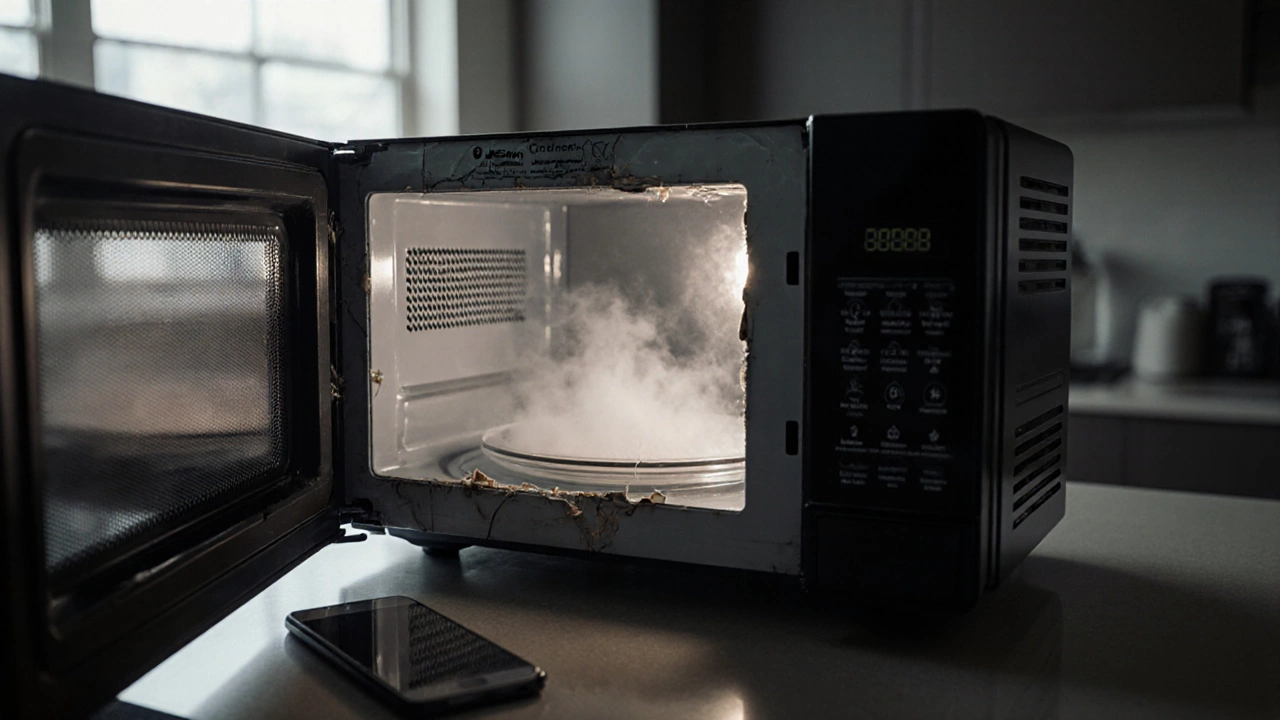
Learn the 7 clear signs your microwave is going bad-slow heating, strange noises, sparking, and more. Find out when to replace it and why repairing it isn’t worth the risk.
Microwave Not Heating – Common Causes & Quick Fixes
When dealing with microwave not heating, a situation where the appliance runs but fails to warm food. Also known as cold microwave, it often points to issues with the magnetron, power supply, or safety interlocks. Below you’ll see why that happens and how to decide if a simple fix will do or if you need a pro.
The magnetron, the component that actually generates microwave energy is the heart of the unit. When the magnetron burns out or its connections corrode, the microwave will spin and beep but never heat. This failure shows up as a quiet hum or a faint buzzing sound and is usually the most expensive part to replace.
Another frequent blocker is the door latch, the safety switch that detects a closed door. If the latch sticks or the switch fails, the machine won’t allow the high‑voltage circuit to engage, preventing heating while still running the timer and display. A quick visual check for broken clips or loose wires often saves a service call.
The power supply, including the fuse and high‑voltage capacitor can also cause a cold microwave. A blown fuse or a leaky capacitor stops the magnetron from receiving enough power. Replacing a fuse is inexpensive, but handling a capacitor requires a proper discharge tool – a step many DIYers overlook.
Before you open anything, do a basic microwave repair, diagnostic routine to isolate the fault. Unplug the unit, remove the outer cover, and listen for a steady hum when the magnetron is powered. No hum? Check the fuse and capacitor. Hum present but no heat? Probable magnetron or waveguide issue. These quick checks let you pinpoint the problem without a full teardown.
Safety matters more than speed. Microwave safety, guidelines for handling high‑voltage components dictate that you never work on a plugged‑in microwave, always discharge the capacitor, and wear insulated gloves. If you’re unsure about any step, it’s wiser to call a qualified technician – a cheap mistake can turn into a dangerous shock.
Cost considerations often decide the next move. Replacing a door latch or fuse may cost under ₹500, while a new magnetron runs between ₹2,000‑₹4,000 plus labor. If your unit is older than ten years, compare the total repair bill with the price of a new, energy‑efficient model. Sometimes the savings on electricity and the peace of mind from a brand‑new warranty outweigh a pricey fix.
Armed with this overview, you’ll know exactly what to look for when your microwave refuses to heat. Below you’ll find a curated set of articles that dive deeper into each fault, walk you through step‑by‑step diagnostics, and explain when a professional repair is the smartest choice. Explore the guides and get your kitchen back to humming in no time.
Learn the tell‑tale signs of a failing microwave magnetron, how to spot them, and when it’s time to replace the part.