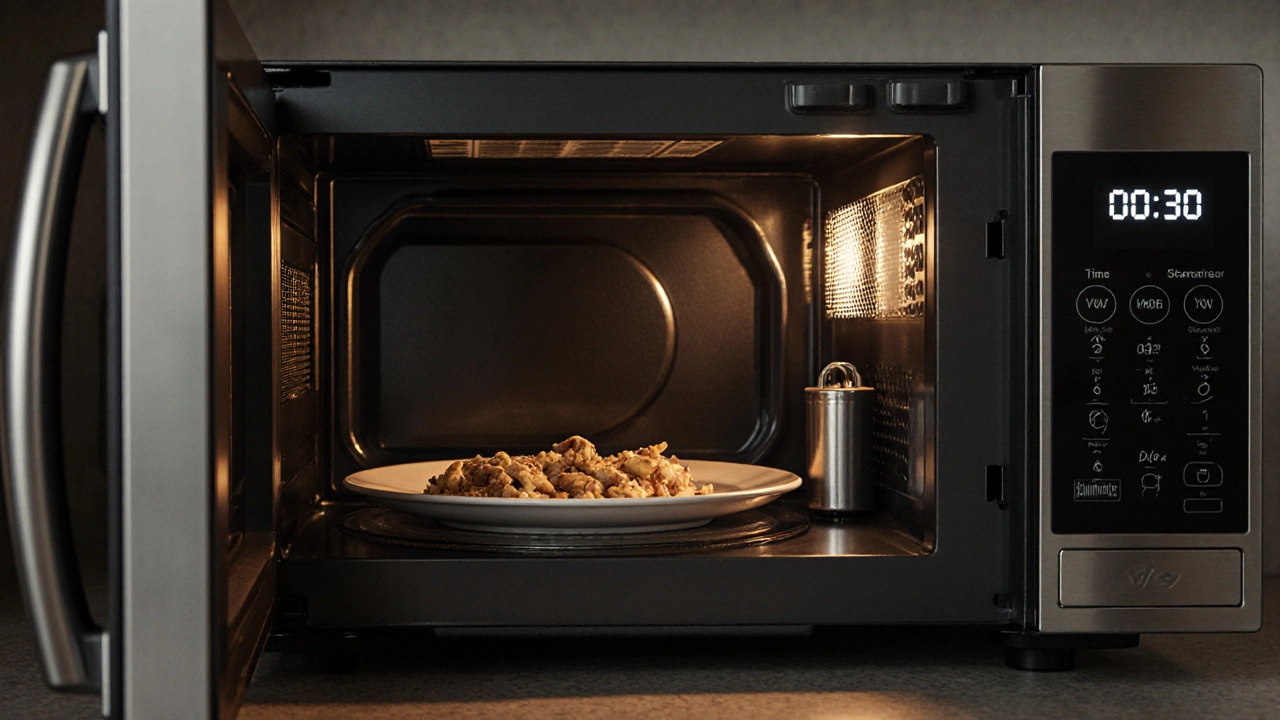
Learn the tell‑tale signs of a failing microwave magnetron, how to spot them, and when it’s time to replace the part.
Microwave Humming: Causes, Diagnosis & Fixes
When dealing with Microwave Humming, the low‑to‑high pitched noise a microwave emits when its internal parts are stressed or failing. Also known as microwave buzz, it often signals that something inside needs attention. This page also covers microwave repair, the process of fixing a microwave’s mechanical or electrical faults, the humming you might hear from a kitchen extractor fan, a ventilation fan that removes steam and odors, which can develop similar noises when its motor or bearings go bad, and broader appliance troubleshooting, systematic steps to identify problems in household devices. Understanding these links helps you decide whether a quick fix is possible or a professional call is needed.
What Actually Triggers the Humming?
The most common trigger is a stressed microwave humming motor or fan. When the fan blades get dirty or the bearing wears out, they vibrate and produce a steady hum. A failing transformer can also emit a deep, rhythmic buzz as it struggles to supply power. In many cases, the magnetron – the part that generates microwaves – develops a faint whine before it quits altogether. These components share a pattern: fault leads to noise, noise leads to inspection. Similarly, a kitchen extractor fan humming often points to a clogged filter or a worn motor, showing how appliance humming frequently follows the same cause‑effect chain.
Diagnosing the source starts with a simple listening test. Turn the microwave on with an empty cavity; if the hum stops when you open the door, the door latch sensor might be the culprit. Next, check the fan by feeling for airflow; a weak breeze suggests the fan motor or blade is compromised. Use a multimeter to test voltage at the transformer – low readings indicate a failing unit. These steps are part of basic appliance troubleshooting, letting you pinpoint the faulty part without pulling the unit apart.
Safety is non‑negotiable when you open a microwave. High‑voltage capacitors can hold a charge long after the plug is pulled, so always discharge them before touching any internal wires. A handy DIY repair safety, a checklist that covers power shutdown, capacitor discharge, proper tool use, and protective gear includes unplugging, waiting five minutes, and using an insulated screwdriver. If you feel unsure at any point, it’s wiser to halt and call a pro – especially when the issue involves the magnetron or high‑voltage components.
When you have the right tools and confidence, fixing a humming microwave can be straightforward. Replacing a fan motor or cleaning a transformer’s dust buildup often restores quiet operation in under an hour. Replacement parts are inexpensive, and many online stores provide step‑by‑step guides that match the exact model you own. However, if the transformer shows signs of scorching or the magnetron refuses to heat, the repair cost can approach the price of a new unit, making professional microwave repair, service performed by certified technicians who handle high‑voltage components safely the smarter choice.
It’s useful to compare the humming issue with other household appliances. A kitchen extractor fan that hums loudly often suffers from the same motor wear or clogged blades that cause a microwave’s fan to buzz. Cleaning both devices regularly, checking for loose screws, and lubricating bearings where applicable can prevent the noise before it starts. This cross‑appliance perspective reinforces the idea that regular maintenance is the key to a quiet kitchen.
Preventive care doesn’t stop at cleaning. Keep the microwave’s interior dry, avoid metal objects, and let it cool completely before wiping the door seal. For the extractor fan, schedule a filter change every three months and inspect the motor housing for dust buildup. These simple habits cut down on wear, extend the lifespan of the components, and keep the hum at bay.
Below you’ll find a curated collection of articles that dive deeper into each of these topics – from step‑by‑step fan motor replacement guides to safety checklists for DIY microwave work. Whether you’re a first‑time fixer or a seasoned handyman, the posts ahead give you the specifics you need to silence that annoying hum and get your appliances running smoothly again.