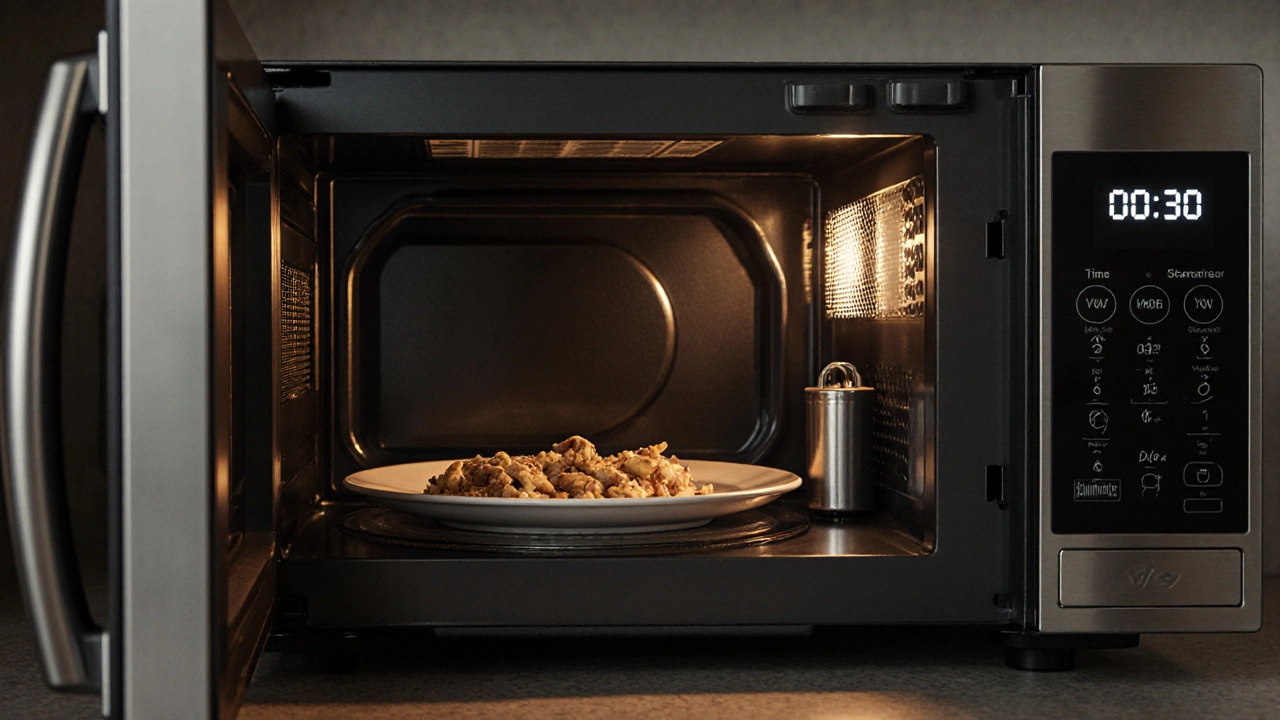
Learn the tell‑tale signs of a failing microwave magnetron, how to spot them, and when it’s time to replace the part.
Magnetron Symptoms – Identify, Diagnose & Fix Common Microwave Issues
When you’re dealing with magnetron symptoms, the warning signs that the magnetron – the heart of a microwave – isn’t working right, you need a clear picture of what’s going on. Those signs show up as strange noises, uneven heating, sparks, or the microwave simply refusing to start. In plain terms, a magnetron is a high‑frequency vacuum tube that creates the microwaves that heat food. If it starts to fail, the whole appliance can act up. magnetron symptoms usually point to a problem with this component, the high‑voltage capacitor, or the door interlock system. Understanding the link between these parts lets you decide whether a quick fix will do or if you need a professional call‑out.
Take a look at the magnetron, the power‑generating tube inside a microwave oven that converts electrical energy into microwave radiation. It works together with the microwave oven, a kitchen appliance that uses magnetron‑generated waves to heat food quickly. When the magnetron overheats or its filament burns out, you’ll hear a humming that suddenly stops or a buzzing that never ends. Another common clue is a persistent burnt smell – that’s the magnetron’s coating deteriorating. Besides the core component, microwave safety, the set of practices and features that prevent injury and damage when using a microwave matters a lot. A faulty door latch can let radiation leak, which not only reduces heating efficiency but also poses health risks. Checking the latch, the safety switches, and the internal wiring helps you rule out side‑effects before you replace the magnetron itself.
Now that you know what to listen for, smell, and see, you can start a systematic check. First, unplug the unit and inspect the door gasket for tears – a compromised seal often triggers the safety interlock and mimics magnetron failure. Next, look at the high‑voltage capacitor; a bulging or leaking capacitor can cause the magnetron to receive irregular power, leading to erratic performance. If those basics are sound, the magnetron may need testing with a multimeter for continuity and resistance values – a quick step many technicians perform on the spot. Remember, working with high voltage is dangerous, so always wear insulated gloves and consider calling a qualified repair service if you aren’t comfortable. Below, you’ll find a curated list of articles that dive deeper into each symptom, explain DIY diagnostics, and outline when it’s smarter to replace the whole microwave instead of swapping parts.