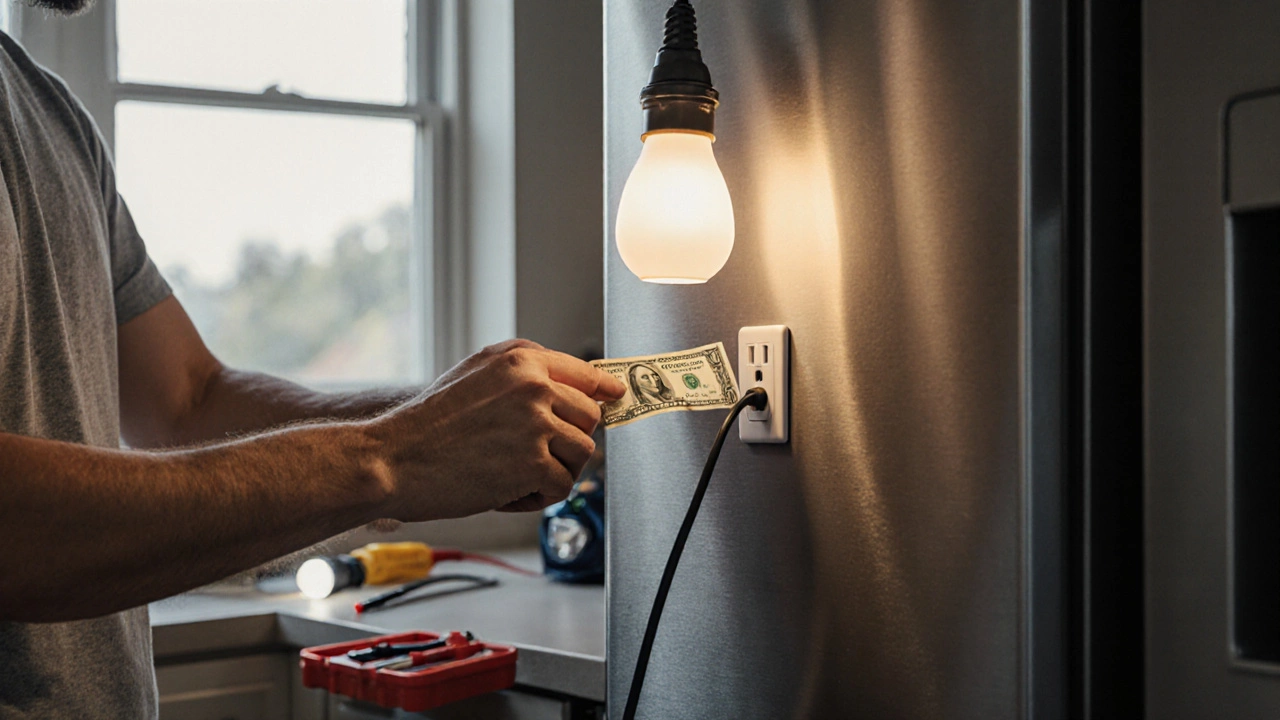
Learn how to diagnose and fix common fridge problems yourself with step‑by‑step instructions, tools list, safety tips, and a handy DIY fixability chart.
Fridge Not Cooling – Why Your Refrigerator Isn’t Cold
When dealing with fridge not cooling, a situation where the refrigerator fails to maintain a cold interior. Also known as refrigerator not cooling, it can turn a kitchen staple into a hassle. Most people notice the problem when food starts to spoil or the freezer begins to frost up. The good news is that many of the reasons behind fridge not cooling are straightforward to check and often fix without a technician.
Key Components That Drive Cooling
The heart of any cooling system is the Compressor the motor that circulates refrigerant to remove heat from the interior. When the compressor stalls, the refrigerant can’t travel through the coils, and the temperature rises quickly. Listen for a humming sound when the fridge powers on – a silent unit usually signals a compressor issue. If you hear a click and then silence, the motor may have failed or be overheating. Replacing a faulty compressor restores the pressure cycle and gets the fridge back to its chill.
Another often‑overlooked part is the Door seal the rubber gasket that creates an airtight barrier around the fridge door. A cracked or dirty seal lets warm air seep in, forcing the cooling system to work harder and eventually giving up. Check for chilly drafts by placing a piece of paper at the door edge; if it slides out easily, the seal is compromised. Cleaning with mild soap or swapping out a worn gasket can stop unwanted heat exchange and improve efficiency.
The temperature regulation inside the fridge is controlled by the Thermostat the sensor that tells the compressor when to turn on or off based on the set temperature. A mis‑calibrated thermostat may think the fridge is already cold and keep the compressor off. Most units have a dial or digital setting you can adjust; set it a few degrees colder and see if the compressor kicks in. If the fridge still stays warm, the thermostat might be defective and need replacement.
Air circulation is equally vital. The Evaporator fan the fan that blows cold air from the freezer compartment into the fridge can get jammed by ice buildup or debris. A stuck fan means only part of the fridge gets cooled, leading to uneven temperatures. Open the freezer, look for excessive frost, and clear any blockages. In many models, you can manually spin the fan blade to test its movement; if it resists, the motor may need cleaning or replacement.
Beyond these core parts, things like dirty condenser coils, low refrigerant charge, or a malfunctioning defrost timer can also trigger a cooling loss. Regularly vacuuming the coils at the back of the unit prevents heat buildup, while a professional can check refrigerant levels if you suspect a leak. Understanding how each component interacts helps you diagnose quickly and decide whether a simple fix or a technician’s touch is needed.
Now that you know which parts to inspect – from compressors to door seals – you’re ready to tackle the most common culprits of a fridge not cooling. Below you’ll find detailed guides, step‑by‑step checks, and when to call a repair pro, so you can keep your food fresh without the guesswork.