Electric Oven Reliability Finder
Answer three simple questions to see which brand offers the best balance of reliability, cost, and features for your lifestyle.
You just spent $1,500 on a new electric oven, and three years later, the heating element quits. Or maybe it’s the control board frying out right before Thanksgiving dinner. It’s frustrating, expensive, and completely avoidable if you knew which brands actually build machines that last.
Here is the uncomfortable truth: there is no single "best" brand for everyone. Reliability depends heavily on whether you buy a basic freestanding range or a high-end built-in wall oven. But data from service calls and warranty claims tells a clear story about who builds tanks and who builds disposable appliances. If you are tired of calling a technician every other year, this breakdown will save you money and headaches.
The Reality of Appliance Lifespan
Before we name names, let’s look at what "reliable" actually means. According to recent industry data, the average lifespan of an electric oven is between 10 and 15 years. However, the failure rate spikes significantly in two areas: electronic controls and heating elements. Mechanical parts like hinges and racks rarely fail unless abused. The electronics, however, are sensitive to power surges, humidity, and poor manufacturing tolerances.
When technicians talk about reliability, they aren't just talking about how long the oven runs without breaking. They mean: How easy is it to fix? Are parts available? Does the brand support their older models? A brand might have a low failure rate, but if they discontinue parts after five years, your "reliable" oven becomes landfill when a $50 sensor fails.
Top Tier: Built-In Wall Ovens
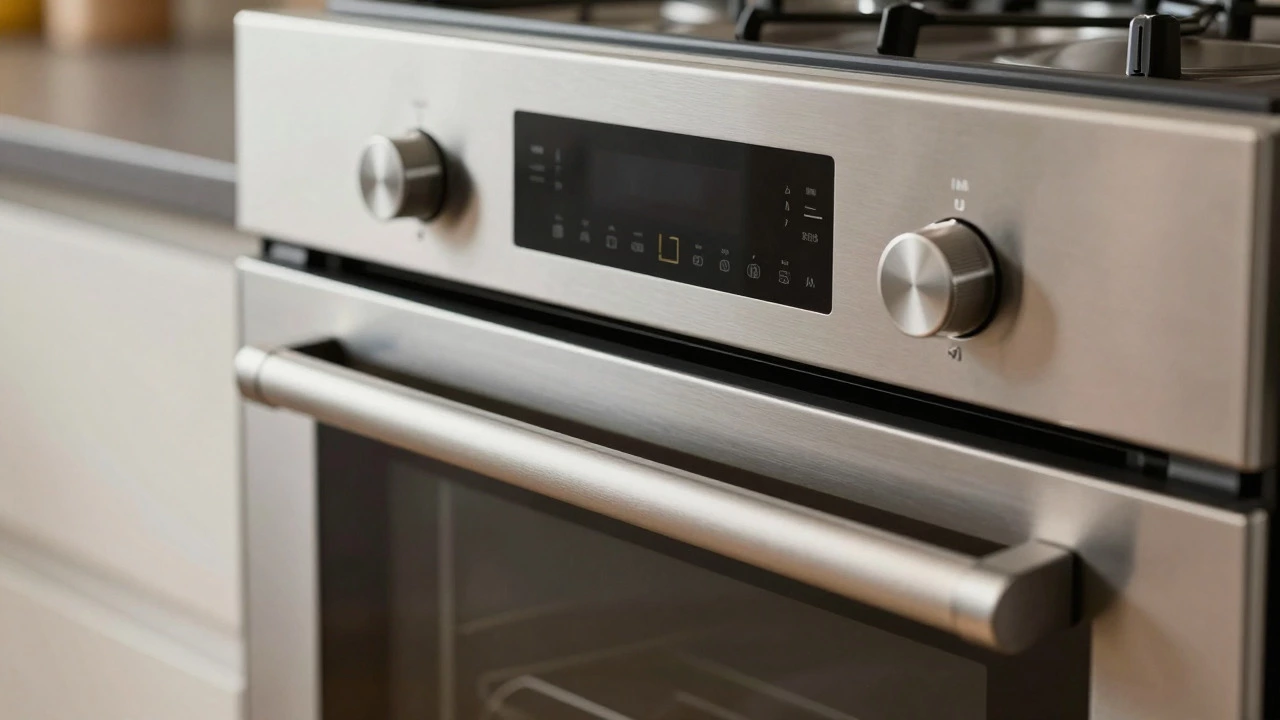
If you are looking for durability above all else, Bosch and Miele consistently rank highest in consumer satisfaction surveys and repair frequency data. These German-engineered brands focus on heavy-gauge stainless steel, robust insulation, and simplified internal wiring.
Bosch, in particular, strikes a balance between performance and serviceability. Their ovens use fewer proprietary components than many competitors, meaning third-party technicians can often source parts easily. Miele goes even further with rigorous testing-each unit undergoes hundreds of quality checks. The downside? Upfront cost. You are paying a premium for engineering that reduces the likelihood of electronic failures. But over a 15-year period, that premium often pays for itself by avoiding multiple repairs.
Another strong contender in this space is Wolf. Owned by Sub-Zero, Wolf ovens are built like industrial equipment. They feature dual convection fans and heavy-duty door seals. While their initial price tag is steep, their mechanical simplicity (fewer touchscreens, more physical knobs) makes them incredibly resilient. If you hate digital interfaces failing, Wolf is a solid choice.
Mid-Range Workhorses: Freestanding Ranges
For most homes, a freestanding range is the standard. Here, the landscape shifts. GE Appliances dominates the US market not because it has the flashiest tech, but because of its supply chain. GE parts are everywhere. Every appliance repair shop in America stocks GE heating elements, thermostats, and switches. This availability doesn’t make the oven less likely to break, but it makes fixing it faster and cheaper.
Whirlpool and its subsidiary Maytag also hold strong reputations for mechanical reliability. Maytag markets itself on "durability," and while that’s partly marketing, their ovens do tend to use simpler control boards than newer smart-enabled models. Fewer features mean fewer things to go wrong. If you don’t need Wi-Fi connectivity or steam cleaning modes, sticking with a basic Whirlpool/Maytag model often results in a longer trouble-free life.
A common pitfall here is buying into the "smart" hype. Ovens with large LCD screens and app connectivity have higher failure rates because those screens are exposed to heat and grease. If reliability is your priority, skip the touchscreen. Choose physical buttons or simple dials.
The Budget Trap: Why Cheap Often Costs More
Brands like Frigidaire and entry-level Samsung models offer attractive prices. Frigidaire, owned by Electrolux, is decent for basic functionality. However, lower-cost ovens often skimp on insulation and use thinner metal for interior walls. This leads to uneven cooking and higher energy bills over time.
Samsung has improved its appliance division significantly, but early adopters reported issues with display panels and ice makers (in refrigerators). For ovens specifically, Samsung offers great features, but repair networks can be inconsistent depending on where you live. In some rural areas, finding a certified Samsung technician takes weeks. That downtime matters if you cook daily.
| Brand | Primary Strength | Common Failure Point | Repair Cost Index | Best For |
|---|---|---|---|---|
| Bosch | Build Quality & Insulation | Control Board (rare) | Medium-High | Precision Bakers |
| Miele | Longevity & Testing | Door Seal Wear | High | Long-Term Owners |
| GE | Parts Availability | Heating Elements | Low-Medium | Easy Repairs |
| Maytag | Mechanical Simplicity | Thermostat Drift | Low | Basic Cooking Needs |
| Wolf | Durability & Power | Convection Fan Motor | Very High | Professional Results |
What Actually Breaks? And How to Prevent It
Knowing the brand helps, but knowing the weak points helps more. Across almost all brands, the top three failures are:
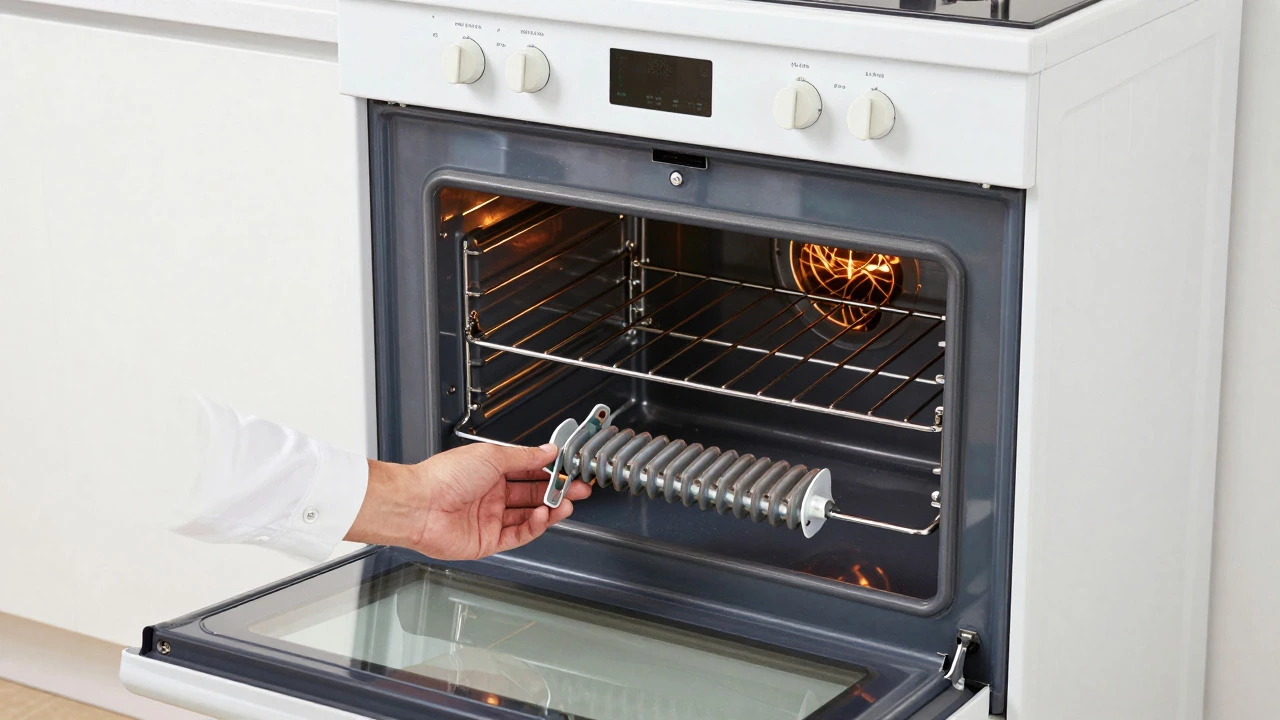
- Heating Elements: These burn out due to thermal cycling. Using self-clean cycles too frequently accelerates wear. Limit self-cleaning to once or twice a year.
- Control Boards: Moisture ingress during cleaning or power surges damage these. Use a surge protector for your oven outlet if possible.
- Door Seals: Grease and grime degrade rubber gaskets. Clean the seal gently with warm soapy water monthly. A bad seal wastes energy and causes uneven baking.
Technicians report that neglect is the biggest killer of modern ovens. Spills left to bake onto the bottom element cause smoke, trigger sensors incorrectly, and corrode connections. Wipe up spills immediately after the oven cools down enough to touch safely.
Decision Framework: Which Brand Fits Your Life?
Don’t just pick the most famous name. Match the brand to your usage pattern.
If you bake complex dishes weekly and care about precise temperature control, invest in Bosch or Miele. The upfront cost is justified by consistent performance and lower repair frequency. You are buying peace of mind.
If you mostly roast meats or reheat leftovers, a GE or Maytag freestanding range is sufficient. The parts are cheap, and any local handyman can swap a heating element in under an hour. Don’t pay for features you won’t use.
If you are a serious home chef who wants commercial-grade power, Wolf is worth the investment. Just ensure you have a budget set aside for annual professional servicing, as these units require specialized care.
The Hidden Factor: Installation and Usage
Even the most reliable oven will fail prematurely if installed poorly. Incorrect voltage supply, lack of proper ventilation, or improper leveling can stress internal components. Always hire a qualified installer. Check that the oven has adequate clearance from cabinets to prevent overheating of surrounding materials.
Also, consider your household habits. Do you run the self-clean cycle religiously? If yes, choose a brand with a proven track record for handling high-heat cleaning stresses. Bosch handles this well. If you prefer manual cleaning, you can afford to be less concerned about the self-clean mechanism’s durability.
Frequently Asked Questions
Which electric oven brand lasts the longest?
Miele and Wolf generally offer the longest lifespans, often exceeding 15-20 years with proper maintenance. Their build quality uses heavier materials and more rigorous testing standards compared to mass-market brands.
Are smart ovens less reliable than traditional ones?
Yes, statistically. Smart ovens have more electronic components, including Wi-Fi modules and larger displays, which are prone to failure from heat and moisture. Traditional ovens with physical controls have fewer points of failure.
Is it worth repairing a 10-year-old electric oven?
It depends on the repair cost. If the repair costs less than 50% of the price of a new comparable model, it is usually worth fixing. For a high-quality brand like Bosch or Miele, repairs are often worthwhile even at 10 years old because the remaining chassis is still sound.
Why do heating elements keep burning out?
Frequent use of the self-clean cycle, excessive food debris buildup, or voltage fluctuations can shorten element life. Regularly cleaning spills and ensuring stable power supply can extend their lifespan.
Do extended warranties cover electric ovens?
Many manufacturers offer 1-2 year limited warranties covering parts and labor. Extended warranties vary widely; read the fine print to see if they cover electronic control boards, which are common failure points. Some credit cards also offer purchase protection.
Next Steps for Your Kitchen
If your current oven is acting up, don’t guess. Note the error codes, check the age, and get a quote from a certified technician. If the repair estimate is high and the oven is over 8 years old, compare it against the cost of a new unit from a reliable brand like GE or Bosch. Remember, the goal isn’t just to fix today’s problem-it’s to minimize future disruptions. Choose a brand that aligns with your cooking habits and your willingness to perform basic maintenance. Your future self, standing in front of a perfectly baked loaf of bread, will thank you.