Extractor Fan Troubleshooter
Is your fan silent, noisy, or just not pulling air? Answer a few questions to identify the problem and find the right fix.
Diagnosis
Recommended Fix:
You flip the switch, but instead of that satisfying hum sucking moisture out of your steamy shower, you get silence. Or worse, a grinding noise that sounds like a lawnmower in a tin can. An extractor fan is a mechanical ventilation device designed to remove excess moisture, odors, and pollutants from enclosed spaces like bathrooms and kitchens. When it stops working, mold starts creeping into the grout, and that lingering smell of last night’s garlic doesn’t stand a chance. Before you call a handyman for what might be a ten-minute fix, let’s figure out if this is a simple blockage or a dead motor.
Quick Summary / Key Takeaways
- Silence usually means power loss: Check the circuit breaker and wall switch first before touching the unit.
- Noise often equals debris: Dust buildup on blades or worn bearings are common culprits; cleaning fixes 60% of noise complaints.
- Poor airflow suggests ductwork issues: If the fan runs but doesn’t vent, check for blocked exterior vents or crushed flexible ducting.
- Motor failure requires replacement: If the fan gets hot and stops, or won’t start despite power, the motor is likely seized.
- Safety first: Always cut power at the breaker panel before removing any covers or wiring.
Is It Getting Power? The First Diagnostic Step
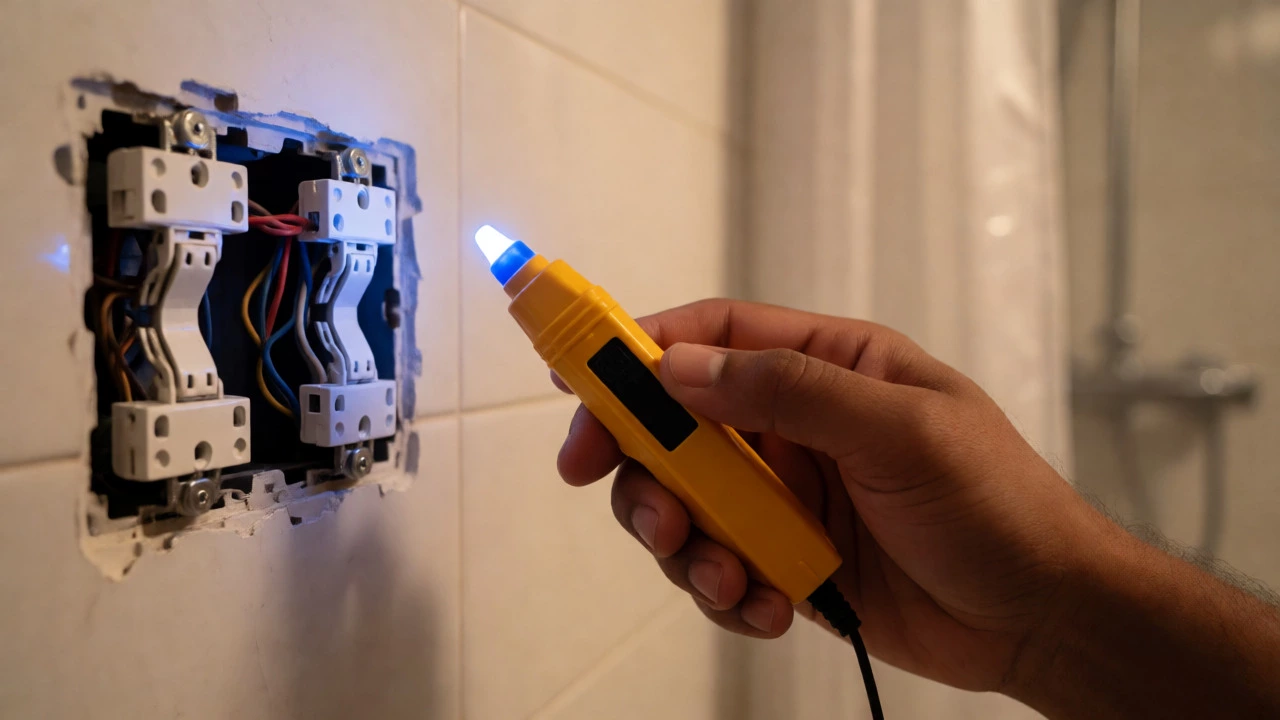
Most people jump straight to taking the cover off, but 30% of "broken" fans just aren’t getting electricity. Start with the obvious. Go to your main electrical panel. Did a breaker trip? It happens, especially if the fan was struggling against heavy dust. Reset it and try again. If the breaker holds but the fan stays silent, grab a non-contact voltage tester. This cheap tool ($15-$20 at any hardware store) tells you if live current is reaching the switch.
With the power on, test the wall switch. Remove the switch plate carefully. Touch the tester to the wires behind the switch. If the tester lights up when the switch is ON but not OFF, the switch works. If it lights up regardless, the switch is faulty and needs replacing-a $5 part and a five-minute job. If there’s no power at the switch, the issue lies upstream, possibly in the junction box or the wiring itself. Don’t mess with internal house wiring unless you’re comfortable with electrical codes; otherwise, call an electrician.
Cleaning the Blades and Housing
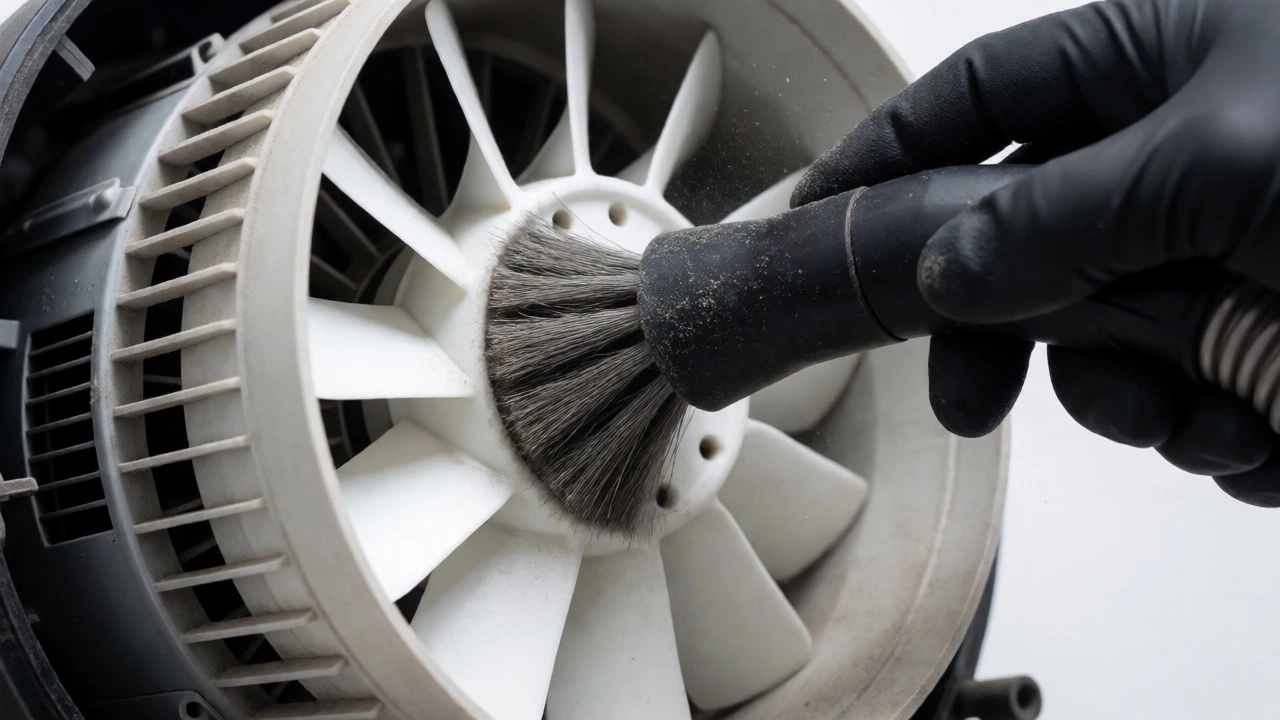
If power is fine but the fan is loud or sluggish, dust is your enemy. Over time, lint, hair, and skin cells coat the blades, throwing them off balance. This causes vibration and noise. Turn off the power at the breaker. Remove the fan cover-usually held by springs or screws. Pull the cover down gently. You’ll see the impeller (the spinning part). Use a vacuum with a brush attachment to suck away loose debris. For sticky grime, use a damp cloth with mild dish soap. Never spray water directly onto the motor housing.
| Noise Type | Likely Cause | DIY Fix |
|---|---|---|
| Rattling | Loose cover or screw | Tighten all fasteners; add foam tape between cover and housing |
| Grinding | Dust buildup or foreign object | Clean blades; remove trapped objects |
| Squealing | Worn motor bearings | Apply lubricant (if accessible) or replace motor/fan |
| Humming without spinning | Seized motor or bad capacitor | Replace fan unit |
Checking the Ductwork and Exterior Vent
A fan can spin perfectly and still fail to ventilate. Why? Because the air has nowhere to go. Follow the duct pipe from the fan housing to the outside wall or roof. Look for kinks in flexible aluminum ducting. Crushed pipes restrict airflow significantly. Also, check the exterior vent cap. Birds love nesting there, and paint can seal it shut over years. From inside, look for a flap door that opens when the fan runs. If it’s stuck closed due to rust or paint, the fan pushes air against a wall, overheating the motor.
To test suction, hold a piece of toilet paper near the intake while the fan is running. It should stick firmly. If it barely moves, check for blockages further down the line. In older homes, insulation may have fallen into the attic portion of the duct. Clearing this often restores full performance without buying new parts.
When to Replace the Motor vs. the Whole Unit
If cleaning doesn’t help and the fan still struggles, the motor might be dying. Motors typically last 8-10 years. If yours is older than that, expect wear. A quick test: touch the motor housing after it’s run for a minute. It should be warm, not scorching hot. If it’s too hot to touch and shuts off, thermal overload protection is kicking in because of friction or electrical faults.
Replacing just the motor is possible on some models but rarely cost-effective. Labor and part sourcing often exceed the price of a new unit. Modern fans are also quieter and more energy-efficient. For example, upgrading from a 70 CFM (Cubic Feet per Minute) model to a 110 CFM model drastically improves moisture removal in standard bathrooms. Unless you have a high-end custom installation, swapping the entire fan assembly is usually the smarter move.
Preventative Maintenance Tips
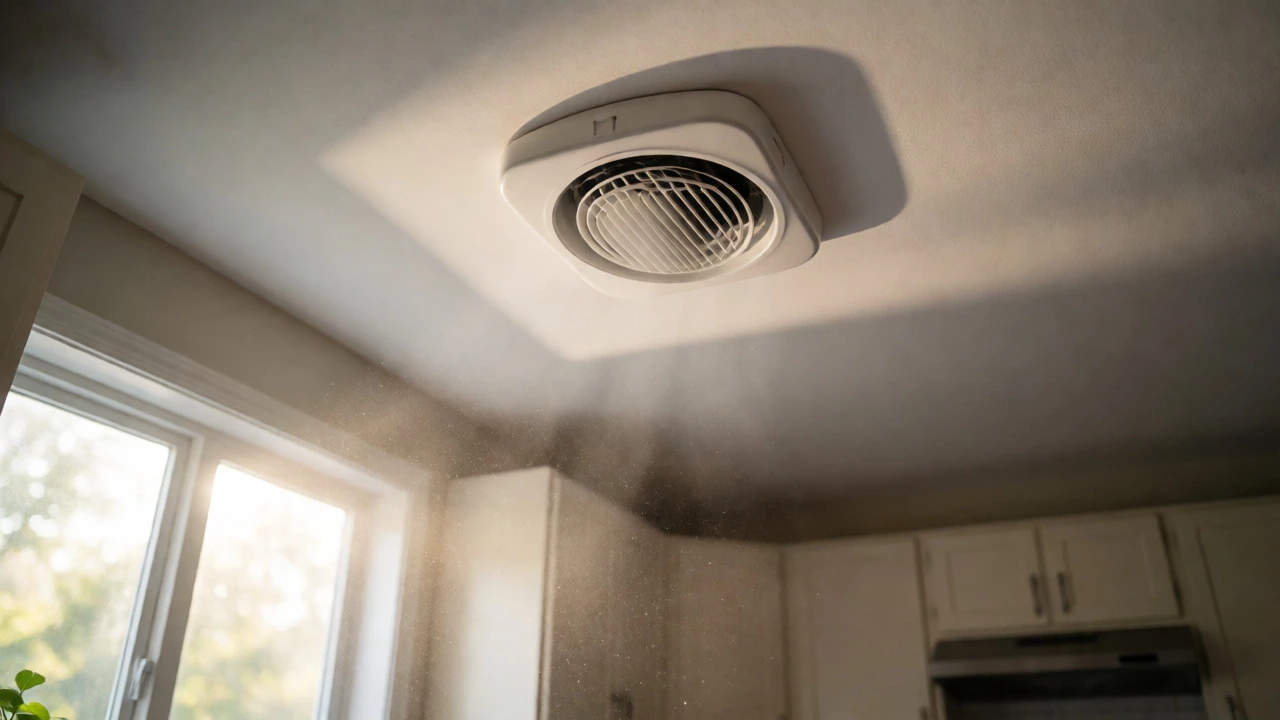
You don’t want to troubleshoot every year. Prevention is easy. Run the fan during showers and for 15-20 minutes afterward. This ensures all humid air is expelled, preventing condensation inside the motor. Clean the cover and blades every six months. If you have pets, do it quarterly. Hair clogs filters faster than you think. Also, ensure the damper (the flap that prevents cold air backflow) isn’t frozen shut in winter. A frozen damper blocks exhaust, causing ice buildup in the duct.
Frequently Asked Questions
Why does my extractor fan make a loud humming noise?
A loud humming noise usually indicates the motor is receiving power but cannot spin freely. This is often caused by seized bearings due to lack of lubrication or excessive dust buildup. In some cases, a failed start capacitor prevents the motor from gaining torque. Cleaning the unit may help, but if the noise persists, the motor likely needs replacement.
Can I use WD-40 to lubricate my extractor fan?
It is generally not recommended to use standard WD-40 as a long-term lubricant for fan motors. WD-40 is primarily a solvent and water displacer, not a persistent lubricant. It can attract dust and eventually dry out, leading to more friction. Instead, use a lightweight machine oil or silicone-based lubricant specifically designed for electric motors, applying only a drop or two to the bearing shaft if accessible.
How do I know if my extractor fan motor is burnt out?
Signs of a burnt-out motor include a distinct burning smell coming from the unit, visible smoke, or the fan failing to start despite having power. You might also hear a click followed by silence. If the motor housing feels excessively hot and the fan stops running, the internal windings may have shorted. In these cases, replacement is necessary as rewinding small appliance motors is rarely cost-effective.
Do I need to turn off the breaker to clean an extractor fan?
Yes, absolutely. Always switch off the circuit breaker controlling the fan before removing the cover or touching any internal components. Even if the wall switch is off, capacitors in the motor can retain charge, and accidental contact with live wires is possible. Using a voltage tester to confirm zero power is the safest practice before starting any maintenance work.
What size extractor fan do I need for my bathroom?
The general rule of thumb is to choose a fan rated at 1 CFM (Cubic Feet per Minute) per square foot of floor area. For a typical 5x8-foot bathroom (40 sq ft), you need at least a 40-50 CFM fan. However, adding extra capacity for showers, tubs, or windows is wise. For instance, add 50 CFM for a bathtub, 20 CFM for a shower, and 10 CFM for each window. Oversizing slightly ensures better moisture control and quieter operation since the fan doesn't have to run at maximum speed.