Dishwasher Problem Solver
Select Your Main Issue
Choose the symptom you're experiencing for personalized troubleshooting steps.
Troubleshooting Steps
Please select an issue to see your personalized guidance.
- Check if the circuit breaker is tripped and reset it
- Verify the dishwasher is properly plugged in
- Test the door latch by pressing the door while starting
- Ensure the water shut-off valve is fully open
- Clean or replace the inlet valve if clogged
- Remove and clean the filter at the bottom
- Check for kinks in the drain hose
- Clean the drain filter and pump
- Inspect the air gap for debris
- Check the door gasket for cracks or damage
- Inspect spray arms for cracks or clogs
- Examine hoses for wear or leaks
- Use powder detergent instead of liquid
- Ensure water temperature is at least 120°F
- Check that the rinse aid is full
If your dishwasher is sitting there silent, leaking water all over the floor, or just spinning without cleaning your dishes, you’re not alone. Most people assume it’s time to call a repair tech or buy a new one-but before you do, you can often fix it yourself. Diagnosing a dishwasher problem doesn’t require special tools or years of experience. You just need to know where to look and what to check.
Start with the basics: Is it getting power?
The simplest reason a dishwasher won’t start is that it’s not getting electricity. First, check if the circuit breaker for the kitchen has tripped. Dishwashers usually have their own dedicated 15- or 20-amp breaker. Flip it off and back on. If it trips again right away, there’s a short circuit somewhere-don’t keep resetting it.
Next, make sure the dishwasher is plugged in. Some models are hardwired, but others plug into an outlet under the sink. That outlet might be controlled by a switch you forgot about. Try plugging in a lamp to test the outlet. If the lamp doesn’t turn on, the issue isn’t the dishwasher-it’s the wiring or switch.
Also check the door latch. Most dishwashers won’t run unless the door is fully closed and latched. If the latch is broken or the switch inside is worn out, the control board won’t get the signal to start. Try gently pressing the door closed while hitting the start button. If it runs then, the latch needs replacing.
Is water actually entering the dishwasher?
If the dishwasher runs but never fills with water, the problem is likely in the water supply line. Look behind the dishwasher under the sink. You’ll see a flexible hose connected to a shut-off valve. Make sure that valve is fully open. Sometimes it gets turned off during renovations or accidentally bumped shut.
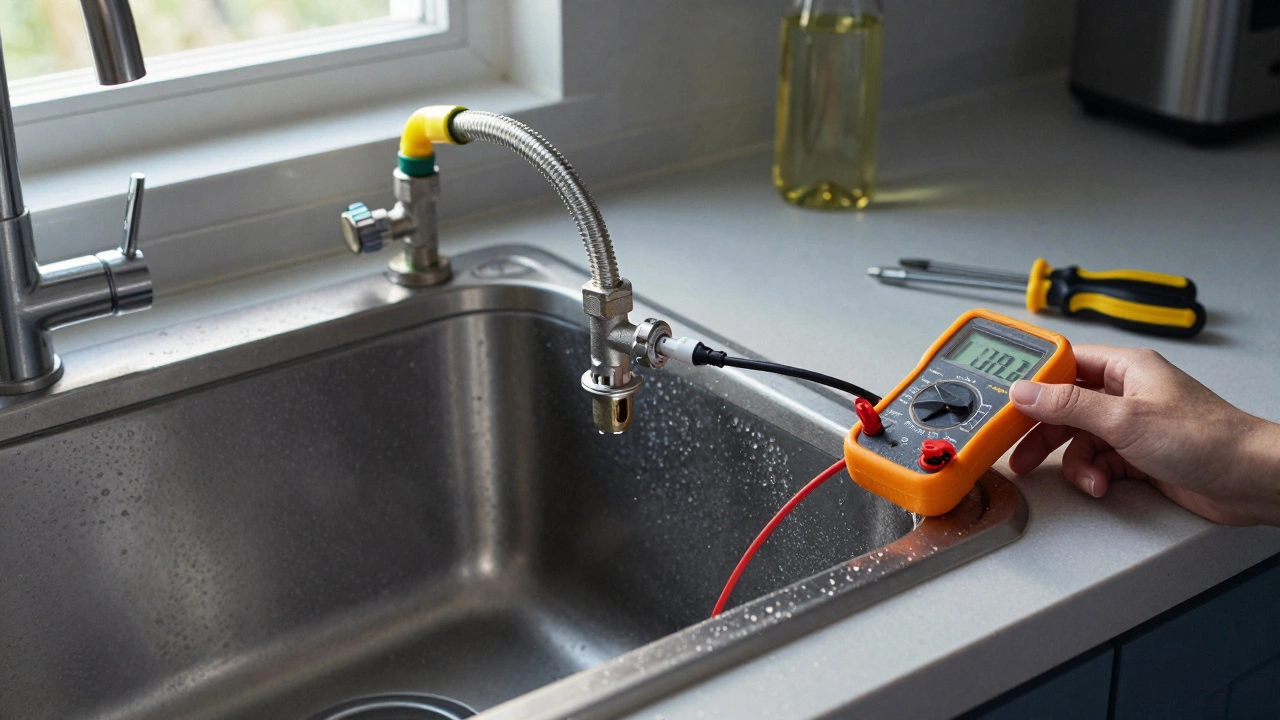
Next, check the inlet valve. This is a small solenoid valve near the bottom front of the dishwasher that opens to let water in. If it’s clogged with mineral buildup or fails electrically, water won’t flow. You can test it with a multimeter for continuity-if it reads infinite resistance, it’s dead. Replacement valves cost under $30 and are easy to swap.
Don’t forget the filter. Many modern dishwashers have a self-cleaning filter, but older models have a removable one at the bottom. If it’s packed with food debris, water can’t circulate properly. Remove it, rinse it under running water, and reinstall it. A clogged filter can make your dishes come out grimy even if the machine seems to be running normally.
Why isn’t it draining?
A dishwasher that fills with water but doesn’t drain is usually blocked. Start by checking the drain hose. It runs from the dishwasher to the sink’s garbage disposal or drain pipe. Make sure it’s not kinked behind the unit. If it’s looped too high (called an air gap), water can back up. The hose should have a high loop just below the countertop to prevent sink water from flowing back in.
Clear the drain path. If you have a garbage disposal, run it for 30 seconds to clear any debris. Then remove the dishwasher’s drain filter and check for stuck food, bones, or even small utensils. Some models have a secondary drain pump-listen for a humming noise during the drain cycle. If you hear nothing, the pump may be seized or the impeller broken.
Also check for a clogged air gap, especially if you have one. It’s that small chrome cap on the edge of your sink. Unscrew the top and clean out any gunk inside. A blocked air gap is a common cause of slow draining and water backup.
Is the dishwasher leaking?
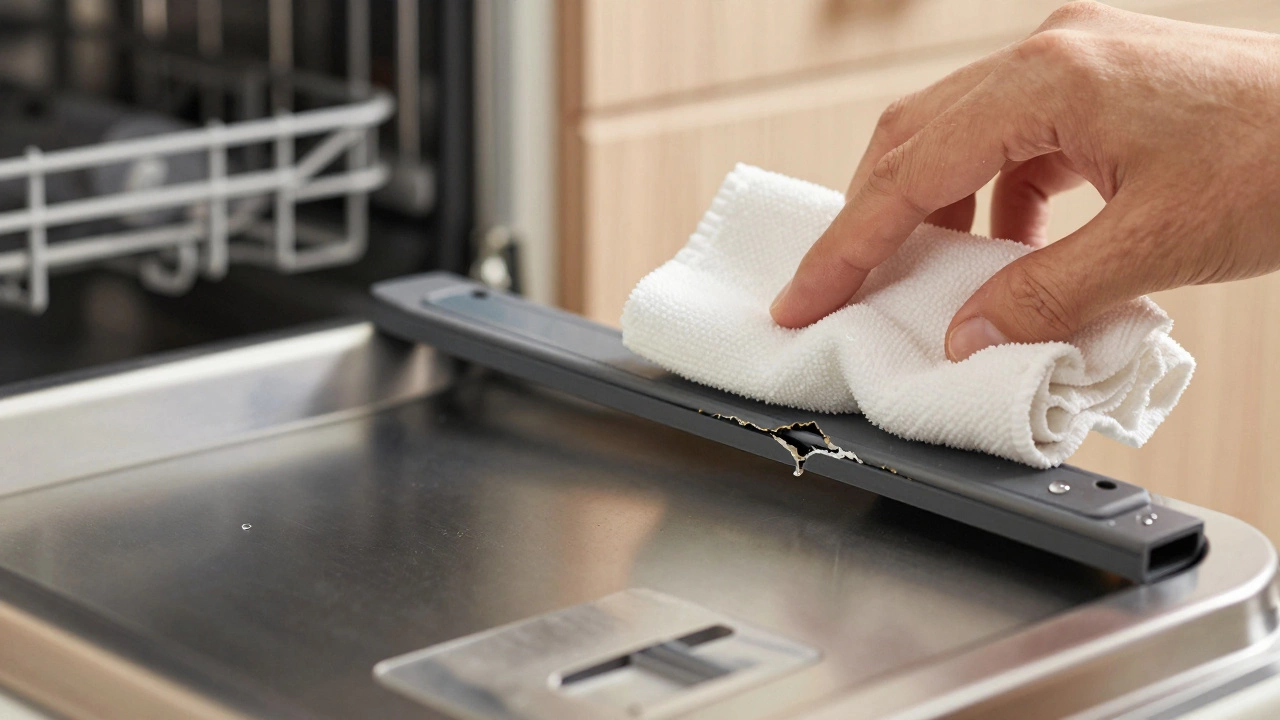
Leaking is one of the most frustrating issues. Water pooling under the dishwasher usually comes from one of four places: the door seal, the spray arms, the tub, or the hoses.
The door gasket is the rubber seal around the door. Over time, it cracks, hardens, or gets food stuck in its grooves. Run your finger along the seal-feel for any tears or gaps. Clean it with vinegar and water. If it’s brittle or broken, replace it. A new gasket costs $15-$25 and snaps right in.
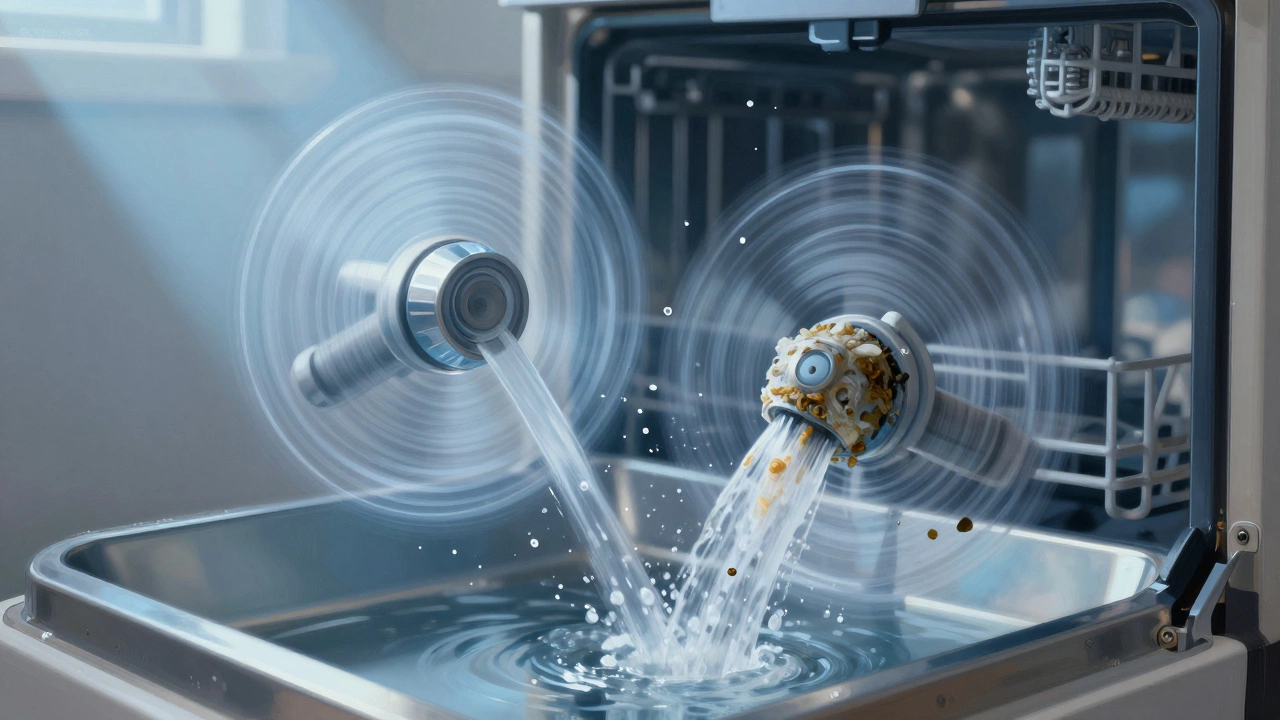
Check the spray arms. If they’re cracked or clogged, water can spray sideways instead of down onto the dishes. Remove them and rinse under the tap. Look for small holes blocked by mineral deposits. Use a toothpick to clear them. If the arm is cracked or warped, replace it-it’s cheaper than you think.
Inspect the tub for cracks. This is rare, but possible if the dishwasher is over 15 years old. Look for water stains or rust inside the bottom of the tub. If you find a crack, the whole unit usually needs replacing. Repairing a cracked tub isn’t cost-effective.
Finally, check the inlet and drain hoses for loose connections or wear. Tighten any clamps and replace hoses that are bulging, cracked, or stained with water. Rubber hoses degrade over time-even if they look okay, replacing them every 5-7 years prevents leaks.
Why are my dishes coming out dirty or spotty?
If the dishwasher runs fine but your dishes aren’t clean, the issue isn’t mechanical-it’s chemical or operational. Start with the detergent. Powder or pods work best. Liquid detergent often leaves residue. Make sure you’re not overloading the dispenser. Some people put detergent in the wrong compartment-check the manual.
Hard water causes white film and spots. If you live in an area with hard water, use a rinse aid. Most dishwashers have a dedicated rinse aid dispenser. Fill it up. It helps water sheet off dishes instead of leaving droplets that dry into spots.
Water temperature matters too. Dishwashers need water at least 120°F to clean properly. Test your sink water with a thermometer. If it’s below that, adjust your water heater. Don’t set it higher than 140°F-too hot can damage plastics and cause scalding.
Also, check the spray arm rotation. If it’s not spinning freely, water isn’t reaching all the dishes. Remove the arm and spin it by hand. If it sticks, clean the bearing area or replace it.
When should you call a professional?
You can fix most dishwasher problems yourself. But there are signs you should call a technician:
- The control panel is completely dead-no lights, no beeps, no response
- You smell burning plastic or electrical smoke
- There’s water leaking from the control panel or top of the unit
- The dishwasher is over 10 years old and needs multiple parts replaced
- You’ve tried everything and still have no idea what’s wrong
Modern dishwashers have electronic control boards that can fail. Diagnosing those requires specialized tools and training. If the machine is under warranty, contact the manufacturer first. If it’s out of warranty and repair costs more than half the price of a new unit, it’s usually smarter to replace it.
Quick checklist for diagnosing dishwasher problems
Use this list when your dishwasher acts up:
- Is the circuit breaker on?
- Is the door latching properly?
- Is the water shut-off valve open?
- Is the inlet filter clean?
- Is the drain hose kinked or clogged?
- Is the drain pump humming?
- Is the door gasket cracked or dirty?
- Are the spray arms spinning freely?
- Is there rinse aid in the dispenser?
- Is the water temperature at least 120°F?
Go through these one by one. Most issues are solved by step 5 or 6. You don’t need to replace the whole machine just because one part failed.
Prevent future problems
Regular maintenance keeps your dishwasher running for years. Once a month, clean the filter. Once a quarter, run a cycle with a cup of white vinegar on the bottom rack to dissolve mineral buildup. Once a year, inspect the hoses and replace them if they’re over five years old.
Scrape plates before loading-don’t rinse them, just remove big chunks. Too much food debris overwhelms the filter and pump. And never put wooden spoons, cast iron, or delicate glassware in the dishwasher unless the manufacturer says it’s safe.
Dishwashers are built to last. Most last 10-12 years with basic care. You don’t need to replace yours just because it’s old-just fix what’s broken, clean what’s clogged, and keep going.