Boiler Problem Diagnostic Tool
Diagnostic Result:
Quick Troubleshooting Checklist
- Check the power supply and circuit breaker.
- Verify the system pressure gauge is between 1.0 and 2.0 bar.
- Look for specific error codes on the digital display.
- Ensure the thermostat is set correctly and has fresh batteries.
- Check for visible leaks or pilot light outages.
The First Line of Defense: Power and Basics
It sounds obvious, but you'd be surprised how many "broken" boilers are simply unplugged or tripped. Start by checking your electrical panel. If a circuit breaker has tripped, flip it back. If it trips again immediately, stop right there-you have an electrical short that requires a pro.
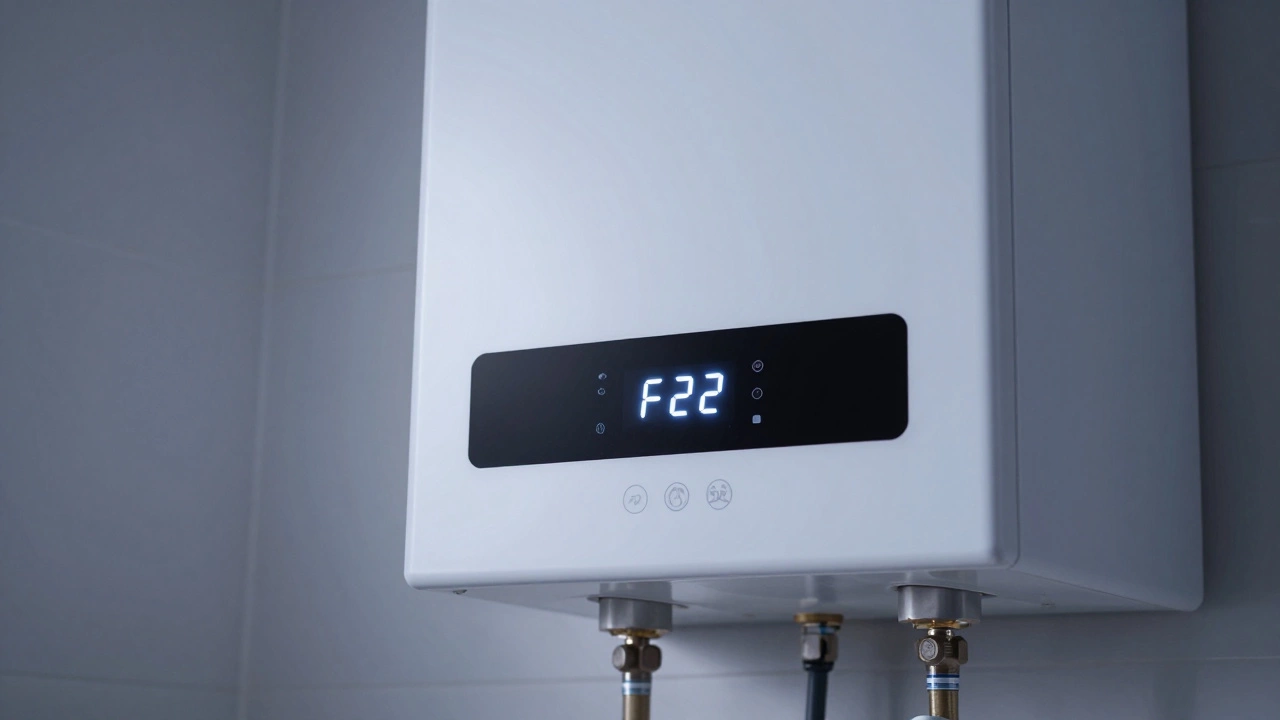
Next, look at the boiler's interface. Boiler Error Codes is a system of alphanumeric displays used by modern heating units to communicate specific internal faults. If you see something like "F22" or "E110" on the screen, don't guess. Grab your manual or search the manufacturer's website for that exact code. These codes are the fastest way to diagnose a boiler problem because they tell you exactly which sensor or component is complaining.
Dealing with Pressure Issues
One of the most common reasons a boiler shuts down is a loss of pressure. Most modern sealed systems have a pressure gauge. If the needle is dipping toward zero or is below 1.0 bar, the boiler will trigger a safety shutdown to prevent the heat exchanger from overheating.
If you have a Combi Boiler (a combination boiler that provides both heating and hot water), you can usually top this up yourself using the filling loop. Open the valve slowly until the gauge reaches about 1.5 bar, then close it tight. If you find yourself doing this every few weeks, you don't have a pressure problem; you have a leak problem. Check your radiator valves and the pipework under the floorboards for damp spots.
| Pressure Level | Status | Required Action |
|---|---|---|
| Below 1.0 bar | Critical Low | Top up via filling loop immediately. |
| 1.0 to 2.0 bar | Optimal | No action needed. |
| Above 2.5 bar | Too High | Bleed a radiator to lower pressure. |
Radiators That Stay Cold
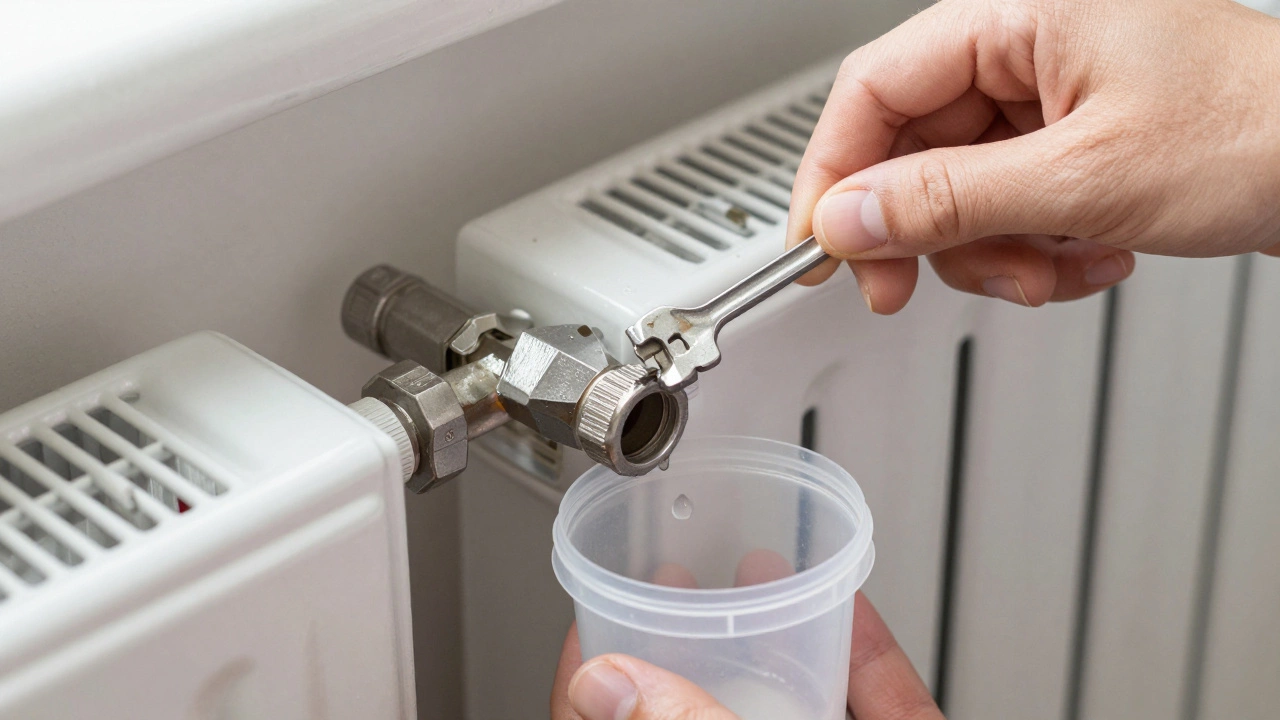
If the boiler is humming along and the pressure is fine, but your living room is still freezing, the issue is likely in the distribution. If the bottom of a radiator is hot but the top is cold, you've got trapped air. This requires Bleeding Radiators, which is the process of releasing air bubbles from the heating system to allow hot water to fill the entire radiator. Use a radiator key to open the valve at the top until water starts to trickle out.
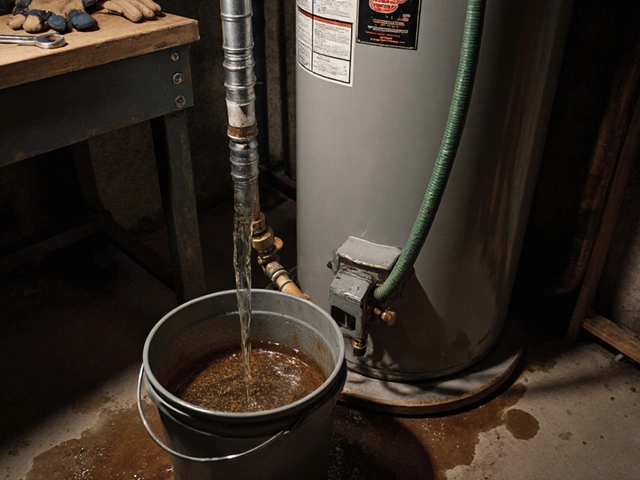
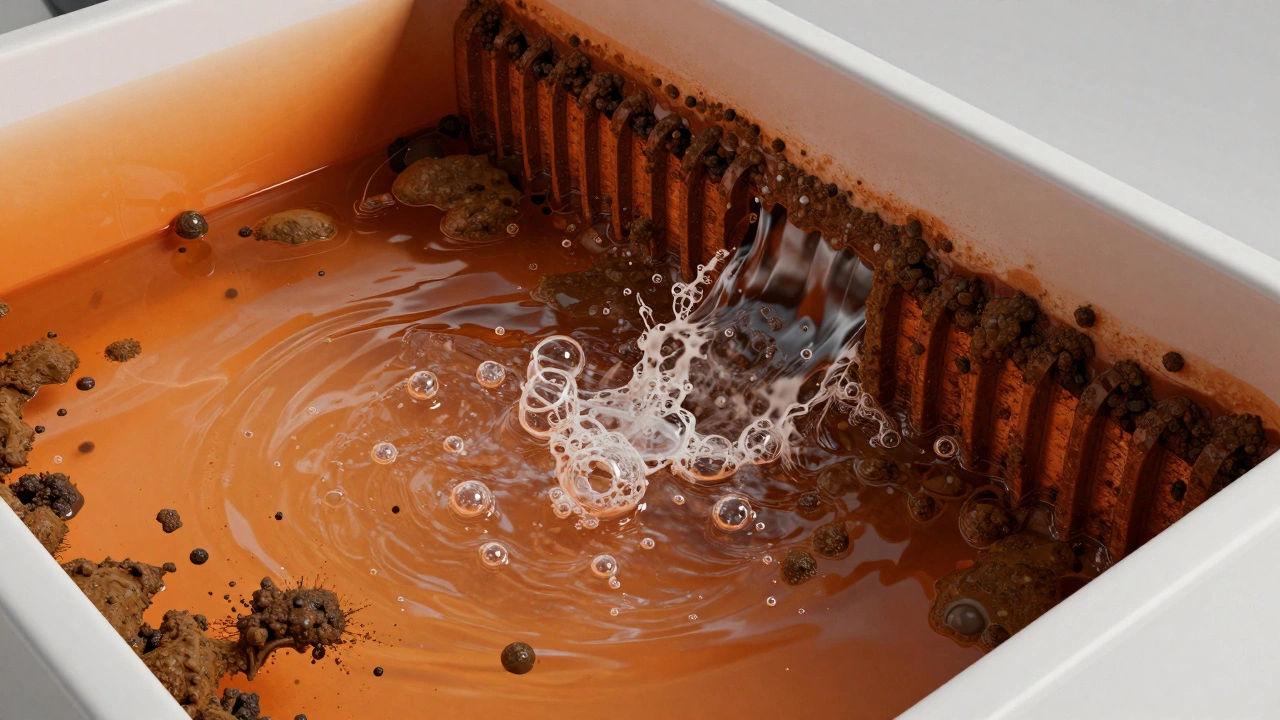
However, if the radiator is cold throughout, check the Thermostatic Radiator Valve (TRV). Sometimes the pin inside the valve gets stuck in the "closed" position after the summer months. Gently tap the side of the valve body with a hammer or use pliers to wiggle the pin. If that doesn't work, your system might have a buildup of Sludge (iron oxide), which blocks the flow of water and requires a chemical flush by a professional.
Identifying Strange Noises
Your boiler speaks to you through sounds. A healthy boiler is relatively quiet, but a struggling one makes a racket. Banging or knocking sounds often point to "kettling.' This happens when limescale builds up inside the heat exchanger, causing the water to boil violently. If you live in a hard water area, this is a common culprit.
Whistling or humming sounds usually indicate a problem with the Circulation Pump. The pump is the heart of the system, pushing hot water through your home. If the pump fails, the boiler will overheat quickly and shut down. You can sometimes tell the pump is dead if the boiler feels scorching hot to the touch but the pipes leading away from it are cold.
The Pilot Light and Ignition Failures
Older boilers often rely on a standing pilot light. If you smell a faint scent of gas but the heat isn't kicking in, the pilot light might have blown out. Check the viewing window. If it's dark, follow the manufacturer's lighting instructions. Be very careful here; if you smell a strong, pungent odor of gas, stop everything, open the windows, and call your gas utility company immediately.
In newer models, the Igniter handles this. If you hear the boiler clicking repeatedly but the flame never catches, the igniter might be dirty or faulty. This is a job for a certified technician, as it involves the combustion chamber.
When to Stop DIY and Call a Pro
Knowing where to draw the line is the most important part of diagnosing your system. You can bleed radiators, top up pressure, and reset the boiler. You should never open the combustion chamber, touch the gas valve, or attempt to rewire the internal electrical components.
Call a certified technician if you encounter any of the following:
- The smell of gas (this is an emergency).
- Water leaking from the internal components of the boiler.
- A boiler that keeps tripping the electricity after a reset.
- Consistent pressure loss that you can't trace to a radiator leak.
- Error codes that refer to "Flame Failure" or "Gas Valve Fault."
Why does my boiler pressure keep dropping?
Pressure loss is usually caused by one of three things: a leak in the pipework or radiators, a faulty expansion vessel, or a leaking pressure relief valve. Start by checking for damp patches around your radiators. If you find no one visible, your expansion vessel may have lost its air charge, meaning it can no longer handle the expansion of heating water.
What does a "kettling" noise mean?
Kettling is the sound of water boiling rapidly inside the heat exchanger. This typically happens because limescale or sludge has coated the inside of the pipes, restricting flow and creating hot spots. It's a sign that your system needs a professional flush or a descaling treatment.
Can I reset my boiler if it has an error code?
Yes, most boilers have a reset button or a sequence of buttons to restart the system. This can often clear a temporary glitch. However, if the error code returns immediately after resetting, there is a hardware fault that needs fixing. Continually resetting a failing boiler can cause further damage to other components.
How often should I service my boiler to avoid problems?
You should have your boiler serviced once a year. Annual maintenance allows a technician to clean the burner, check the gas pressure, and ensure the safety valves are working. This doesn't just prevent breakdowns; it keeps the boiler running efficiently, which lowers your monthly energy bills.
Why is only one radiator in my house cold?
If only one radiator is cold, the problem is likely local to that unit. It's either trapped air (which requires bleeding) or a stuck valve pin. If the radiator is cold at the bottom but warm at the top, it's likely blocked by sludge and requires a professional power flush.
Next Steps for Different Homeowners
If you're a renter, your first move should be contacting your landlord. Boiler maintenance is typically the owner's responsibility, and attempting your own repairs could void the warranty or your lease agreement. Just document the error code and the symptoms you've found to help the technician work faster.
For homeowners with an older system, consider installing a magnetic filter. This device sits on the return pipe and catches sludge and iron oxide before they reach the boiler. It's a small investment that prevents the "kettling" and pump failures discussed earlier. If your boiler is more than 15 years old and requires frequent repairs, start calculating the cost of a new, high-efficiency condensing model; the energy savings often pay for the unit within a few years.